
 1 month ago
41
1 month ago
41
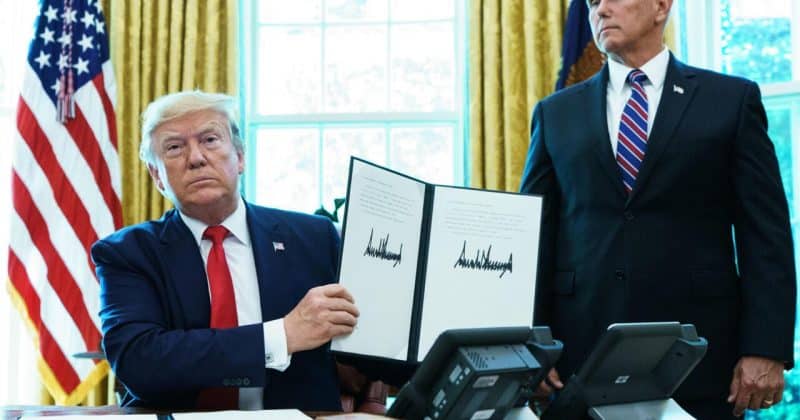
US forces struck Iranian missile sites and naval vessels on May 26, with CENTCOM confirming the operations as self-defense actions. One day later, Secretary of State Marco Rubio said a ceasefire deal with Iran could materialize within days.
The strikes landed at a particularly awkward moment. Iranian negotiators were already in Doha, Qatar, to discuss extending a ceasefire tied to the strategically vital Strait of Hormuz and broader nuclear issues.
The military picture and the diplomatic window
The latest strikes are part of the broader conflict that escalated after Operation Epic Fury launched on February 28, 2026. That operation marked a significant intensification in the US-Israel-Iran standoff, and the months since have been a volatile mix of military action and halting negotiations.
Rubio’s comments on May 27 struck an unexpectedly optimistic tone given the fresh strikes. The suggestion that a deal could close in days, not weeks or months, signals that back-channel progress may be further along than the surface-level hostilities would suggest.
The Doha talks are focused on the Strait of Hormuz, one of the most important chokepoints in global energy markets. Roughly one-fifth of the world’s petroleum passes through the narrow waterway.
Bitcoin as a geopolitical barometer
Bitcoin prices have been closely tracking the odds of a US-Iran deal throughout late May 2026. Positive diplomatic signals have pushed prices higher, while escalation has applied downward pressure on risk assets across the board.
Iran has reportedly begun accepting Bitcoin for transit fees through the Strait of Hormuz, a development first reported in early April 2026. In English: one of the world’s most sanctioned nations is using crypto to keep commerce flowing through one of the world’s most critical shipping lanes.
US authorities have responded by sanctioning Iranian-linked wallets. Tether, the issuer of the world’s largest stablecoin, froze approximately $344 million connected to Iranian crypto wallets. That freeze represents one of the largest single enforcement actions targeting a nation-state’s digital asset holdings.
What this means for crypto investors
The Tether freeze of $344 million linked to Iranian wallets is a template, not an anomaly. As more nation-states explore crypto for sanctions circumvention, expect stablecoin issuers and exchanges to face increasing pressure to monitor and restrict sanctioned entities.
Iran’s adoption of Bitcoin for Strait of Hormuz transit fees could set a precedent that other sanctioned nations find appealing. If that model proves viable even temporarily, it strengthens the case that Bitcoin has utility beyond speculation, as actual infrastructure for international trade outside the dollar system.
Investors should monitor OFAC designations and exchange compliance announcements closely in the coming weeks, as any widening of sanctions targeting crypto infrastructure could create sudden liquidity gaps in specific trading pairs.
Disclosure: This article was edited by Editorial Team. For more information on how we create and review content, see our Editorial Policy.




 English (US) ·