
 2 hours ago
21
2 hours ago
21
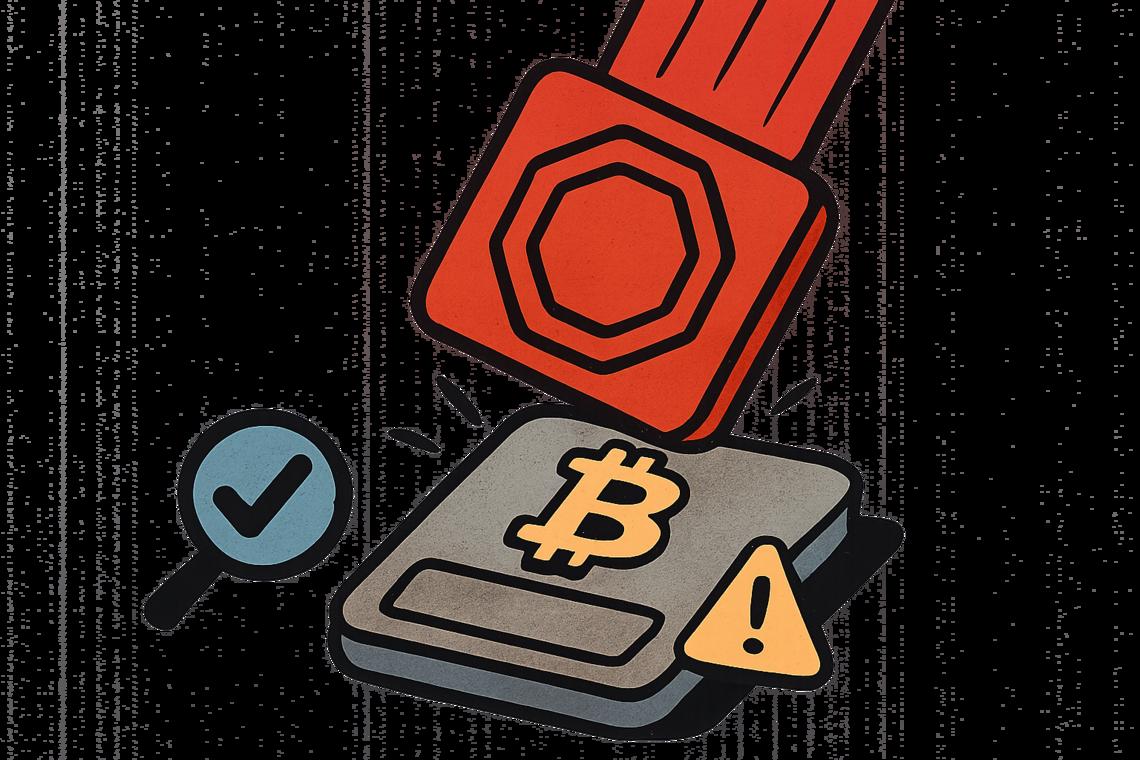
More than 1,700 unlicensed crypto platforms have gone quiet across the European Union in recent weeks, and regulators say the shutdown wave is a direct consequence of MiCA crypto enforcement now that the bloc’s licensing regime is fully in force. The scale of the closures is forcing a blunt question on millions of everyday traders: move your assets to a licensed provider, or risk being stranded with a platform that can no longer legally operate in Europe.
Key takeaways
- Roughly 1,700 unlicensed crypto platforms have halted services in the EU since MiCA enforcement began.
- Only 323 firms currently hold valid MiCA authorization, according to official figures cited in the warning.
- Up to 10 million users may need to migrate their crypto assets to licensed platforms.
- EU regulators are warning about scams that impersonate legitimate, MiCA-licensed platforms.
- The Markets in Crypto-Assets regulation took effect on July 1, 2026, reshaping who can legally serve EU customers.
MiCA Enforcement Triggers Widespread Platform Shutdowns
The trigger for all of this is straightforward: MiCA’s transition period ended, and platforms without authorization lost their legal footing overnight. EU regulators confirmed that over 1,700 unlicensed crypto platforms have already halted services for EU users as a result, marking one of the largest coordinated market exits the region’s crypto sector has seen.
The regulation itself, the Markets in Crypto-Assets framework, took effect on July 1, 2026, and it fundamentally rewired who is allowed to serve European customers. Instead of the patchwork of national registration rules that came before, MiCA created a single EU-wide authorization standard covering everything from custody to trading-venue operations. Once that deadline passed, any firm still operating without a license was, by definition, operating outside the law.
Impact on Crypto Users in the EU
Why this matters most for ordinary traders is the sheer number of people caught in the middle. Regulators estimate that up to 10 million users may need to transfer their holdings from now-defunct platforms to firms that hold valid MiCA authorization. That is not a niche inconvenience — it is a mass migration event happening in real time, and it’s one that creates exactly the kind of confusion bad actors tend to exploit.
Current Landscape of MiCA-Authorized Crypto Firms
Right now, only 323 firms hold valid MiCA authorization across the entire European Union, a number that looks small next to the thousands of platforms that were previously operating under looser national rules. That gap between demand and licensed supply is precisely what’s fueling anxiety about where displaced users will land next.
A separate market analysis from BeInCrypto, reviewing the European Securities and Markets Authority’s public register in mid-August, found a broadly similar picture: roughly 324 licensed legal entities, most of them authorized for custody, asset transfer, or currency exchange rather than for running an actual trading venue. According to that review, only 21 entities in the entire register are authorized to operate a trading platform — a reminder that holding a MiCA license does not automatically mean a firm can match buyers and sellers on an order book. The same analysis noted that Binance still had no matching authorization entry in the register as of mid-August, while exchanges such as Kraken, Coinbase, Bitstamp, OKX, Crypto.com, Gate, Gemini, KuCoin and Bybit had each secured licenses through EU member states including Ireland, Luxembourg, Malta, and Austria.
Banks have also carved out a notable share of the licensed market, largely through custody and settlement permissions rather than trading services — a sign that crypto infrastructure is increasingly folding into traditional financial plumbing rather than staying purely native to crypto-only firms.
Regulatory Standards and Authorization Process
MiCA’s authorization bar is deliberately high, covering capital requirements, management oversight, custody controls, and operational resilience — a much heavier lift than the anti-money-laundering checks that governed the old registration regime. That is part of why the number of licensed firms remains so far below the population of platforms that were previously active in the region. Users are advised to check any provider against the official MiCA registers before committing funds, since authorization status can change and new entities continue to be added.
Risks and Warnings Amid Migration to Licensed Platforms
The bigger danger right now isn’t the shutdown itself — it’s what happens in the gap it leaves behind. EU regulators have specifically warned about scams impersonating licensed crypto platforms, targeting users who are actively looking for a new home for their assets after their old platform went dark. That combination — urgency, unfamiliarity, and a genuinely confusing regulatory landscape — is a textbook setup for fraud.
Scams Impersonating Licensed Crypto Platforms
Fraudulent operators are reportedly posing as MiCA-compliant services to intercept users mid-migration, exploiting the fact that many people don’t know how to verify a platform’s actual licensing status. Because so many platforms are exiting the market at once, the volume of confused users searching for alternatives creates a wider target pool than usual.
Regulator Guidance for Users During Asset Transfers
Officials are urging anyone moving assets right now to verify their service provider directly against the official MiCA registers rather than relying on search results, social media links, or unsolicited outreach. That single step — checking a firm’s authorization status before transferring funds — is the main safeguard regulators are pointing to during this transition window.
Market and Regulatory Implications Post-MiCA Enforcement
Beyond the immediate scramble, this enforcement wave marks a genuine turning point for how crypto operates inside the EU. Why this matters for the broader market: liquidity and trust are now concentrated among a much smaller group of licensed firms, and that concentration is likely to shape trading behavior for months to come.
Market Sentiment and Trading Dynamics
Sentiment among traders is mixed as the new operational standards settle in. With so many platforms exiting simultaneously, users are adjusting where and how they trade, and some of that friction is expected to ripple through trading volumes as liquidity resettles around licensed venues.
Ongoing Compliance Monitoring and Future Outlook
MiCA was designed to strengthen consumer protection while still leaving room for innovation in the crypto sector, and regulators are continuing to monitor how firms adapt — whether by securing new authorizations or exiting the market entirely. For now, the practical advice hasn’t changed: traders and users navigating this shift should keep a close eye on compliance developments and stay alert to the scam risks that tend to surface whenever a regulatory deadline forces this many people to move their money at once.
FAQ
Why did 1,700 crypto platforms halt services in the EU?
They halted services due to enforcement of the MiCA regulation, which requires authorization to operate legally in the EU.
How many firms currently hold valid MiCA authorization in the EU?
Only 323 firms currently hold valid MiCA authorization, according to the figures cited by EU regulators.
What should users do to protect themselves during crypto asset migration?
Users are advised to verify service providers against official MiCA registers to avoid scams impersonating licensed platforms.
When did the MiCA regulation take effect in the EU?
The MiCA regulation took effect on July 1, 2026, reshaping which firms can legally serve crypto customers across the European Union.
Article produced with the assistance of artificial intelligence and reviewed by the editorial team.








 English (US) ·