
 2 hours ago
17
2 hours ago
17
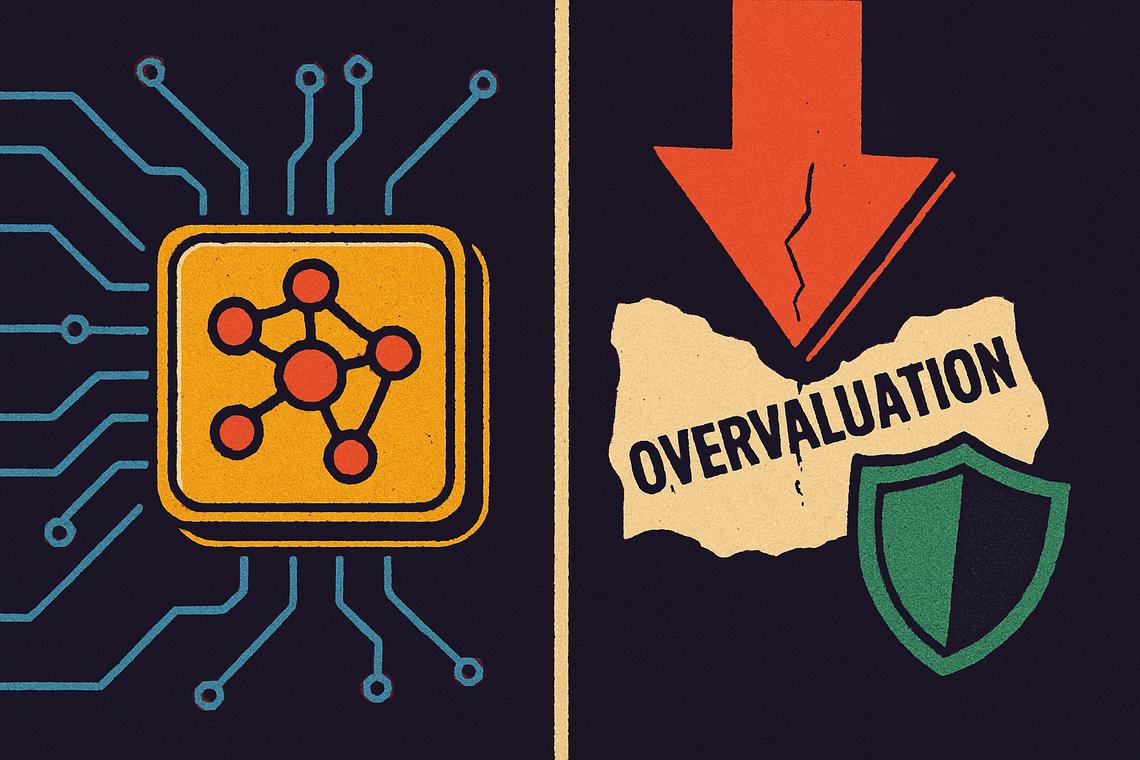
Michael Burry, the investor famous for calling the 2008 housing crash, is once again betting against a crowd favorite — and this time it’s the artificial intelligence trade. In an August 26 Substack post titled “Nvidia, Friends, and the Rebel Alliance,” Burry disclosed that he has widened his short position in Nvidia, along with Oracle, Palantir, and Nebius, even as Nvidia continued posting standout financial results. The move puts fresh scrutiny on whether Wall Street’s AI enthusiasm has outrun the fundamentals supporting it, and it raises an obvious question: why would Michael Burry short Nvidia stock while admitting the company itself is performing well?
Key takeaways
- Michael Burry increased short positions in Nvidia, Oracle, Palantir, and Nebius, disclosed in an August 26 Substack post.
- Excluding put options, his short stock holdings now exceed 21% of his total portfolio across multiple companies.
- Burry bought December call options on Nvidia with strike prices in the mid-to-high $200 range, describing them as a hedge rather than a bullish bet.
- Those call options represent roughly 3.5 to 4% of his portfolio.
- Burry says Nvidia’s growth and low earnings multiple make the stock look “wildly undervalued” on paper, but he doubts that dominance will last long enough to justify its valuation.
Burry Widens His Bets Against the AI Trade
The core of the story is straightforward: Burry isn’t just shorting Nvidia in isolation. He’s building a broader position against companies that sit at different layers of the AI infrastructure and software stack.
According to Burry’s own disclosure, his short stock holdings — not counting put options — now make up more than 21% of his portfolio. That’s a substantial slice of capital wagered against a single market narrative, and it signals conviction rather than a casual hedge. Oracle, Palantir, and Nebius each represent a different piece of the AI infrastructure and software boom, which suggests Burry’s skepticism isn’t limited to chipmakers. He appears to be questioning the pricing of the entire ecosystem built around AI demand, from cloud infrastructure providers to data analytics firms.
This matters for markets beyond Burry’s own portfolio. When a high-profile investor known for identifying systemic mispricing puts more than a fifth of his book against a handful of AI-linked names, it tends to draw attention from other fund managers and retail traders trying to gauge whether the AI rally still has room to run.
Why Burry Still Respects Nvidia’s Business but Not Its Price
Burry’s stance on Nvidia is more nuanced than a simple bearish call. He does not dispute that Nvidia’s operations remain strong — instead, his concern centers on whether that strength can be sustained long enough to justify the stock’s current valuation.
In fact, Burry has said that Nvidia’s growth rate combined with its relatively low earnings multiple make the stock look “wildly undervalued” by conventional metrics. The catch, in his view, is that the market already prices in Nvidia’s dominant position, yet the company hasn’t managed to replicate the explosive growth rates it posted in prior years. That gap between the market’s price and Nvidia’s demonstrated growth is where Burry sees risk.
The longevity of Nvidia’s current market dominance is the linchpin of his entire valuation thesis. If Nvidia’s edge over rivals erodes faster than investors expect, or if the AI infrastructure buildout slows, the premium currently baked into the stock could prove difficult to sustain. This is the deliberate contradiction Burry is comfortable holding: Nvidia can be a remarkable company and still be an overpriced stock at the same time.
The December Call Options: A Hedge, Not a Reversal
Despite the size of his short position, Burry isn’t betting everything on Nvidia collapsing. Ahead of the company’s most recent earnings report, he bought December call options with strike prices in the mid-to-high $200 range — a move he explicitly framed as a hedge rather than a bullish trade.
Those calls account for roughly 3.5% to 4% of his portfolio, a relatively modest allocation compared to the more than 21% tied up in short stock positions. The purpose appears defensive: protecting against the possibility that Nvidia’s stock spikes sharply higher on strong earnings, which would otherwise inflict painful losses on his short bets. This kind of hedging is common among sophisticated short sellers who want asymmetric downside protection without abandoning their core thesis.
What Burry’s Trade Signals About the Broader AI Market
Taken together, Burry’s positioning amounts to a wager that markets are overpaying for the assumption that today’s AI economics will persist indefinitely. His short exposure to Oracle, Palantir, and Nebius extends that skepticism beyond Nvidia into the wider infrastructure and software layer tied to AI spending.
This is where the trade becomes genuinely instructive for investors watching the sector. Burry isn’t arguing that AI technology lacks value — he’s questioning whether current stock prices already assume a level of durability and growth that may not materialize. That distinction matters because it reframes the debate away from “is AI real” and toward “how much of AI’s future success is already priced in today.” For anyone tracking whether Michael Burry’s Nvidia short position is a signal or noise, the answer likely depends on how long Nvidia’s current growth trajectory and market dominance can hold up under the weight of investor expectations.
FAQ
Why is Michael Burry shorting Nvidia despite its operational strength?
Burry acknowledges Nvidia’s operational strength but doubts whether that strength will last long enough to support its current high market valuation.
What does Burry’s call option purchase on Nvidia represent?
Burry bought December call options as a hedge against his short position in Nvidia, accounting for about 3.5% to 4% of his portfolio.
Which AI-related companies does Michael Burry have short positions in besides Nvidia?
Besides Nvidia, Burry increased short positions in Oracle, Palantir, and Nebius, reflecting his skepticism about the AI infrastructure and software boom.
What is Michael Burry’s overall view on the AI stock market?
Burry’s trade reflects skepticism about the continued high valuation of AI-related stocks, wagering that markets are overvaluing the longevity of current AI economics.
Article produced with the assistance of artificial intelligence and reviewed by the editorial team.






 English (US) ·