
 1 hour ago
19
1 hour ago
19
Two of the semiconductor industry’s biggest names just reminded Wall Street why it fell in love with AI stocks in the first place. Micron Technology and Qualcomm reported earnings on June 24 that blew past expectations, and the market responded with over $400 billion in added market value across chipmaker stocks.
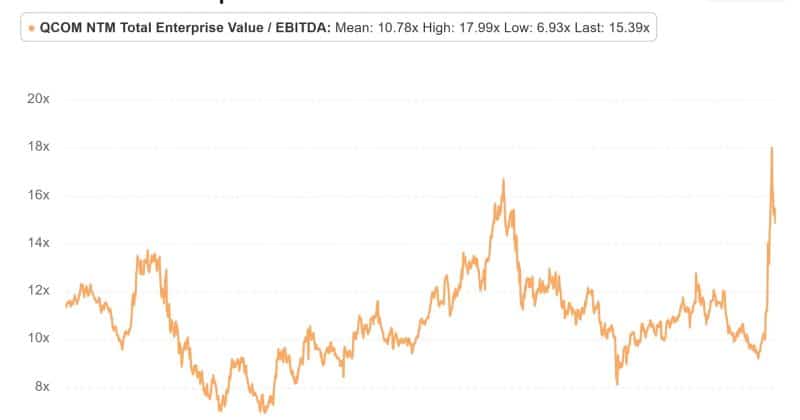
Micron’s stock alone surged 12-15% in after-hours trading. Qualcomm, meanwhile, laid out a roadmap projecting $15 billion in data center sales by 2029, a bold pivot for a company most people still associate with the chip inside their phone.
The numbers behind the frenzy
Micron disclosed that its customers have committed $22 billion toward chip purchases. Its supply of high-bandwidth memory, the specialized DRAM that AI data centers chew through like candy, is completely sold out for 2026.
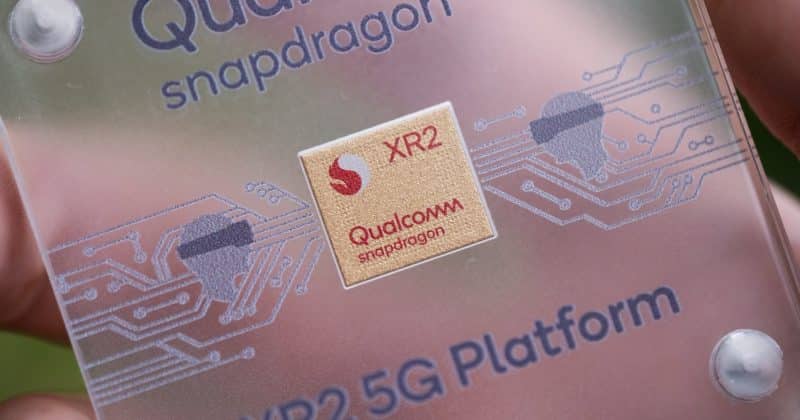
For Qualcomm, the company has traditionally been the king of mobile processors. But Qualcomm is making a calculated bet on AI accelerators and data center hardware, targeting $15 billion in data center revenue by 2029.
Why this rally matters beyond chip stocks
After years of blistering growth in AI-related stocks, a pullback had been creeping into the trade. Valuations looked stretched, and the mood was cautious, bordering on skeptical.
Micron and Qualcomm essentially answered that skepticism with receipts. When a company says its product is sold out for the year and customers have pre-committed $22 billion, that’s not hype. That’s a purchase order.
Asian semiconductor stocks rebounded the following day, riding the momentum from US after-hours trading. Micron has been instrumental in driving S&P 500 gains throughout 2026, consolidating its position as one of the index’s most consequential components.
What investors should watch next
Micron’s sold-out HBM supply suggests that demand is not a near-term concern. High-bandwidth memory is the bottleneck component for training large AI models, and if supply is already spoken for, pricing power stays with the manufacturer.
Qualcomm’s $15 billion data center target by 2029 is a projection, not a guarantee. The company still needs to execute a pivot from mobile to data center, competing against Nvidia, AMD, and an increasingly ambitious roster of custom chip efforts from hyperscalers like Google, Amazon, and Microsoft.
If Google, Microsoft, and Amazon confirm that their capital expenditure plans for AI infrastructure are holding steady or increasing, that validates the demand picture Micron just painted.
Disclosure: This article was edited by Editorial Team. For more information on how we create and review content, see our Editorial Policy.







 English (US) ·