
 1 hour ago
28
1 hour ago
28
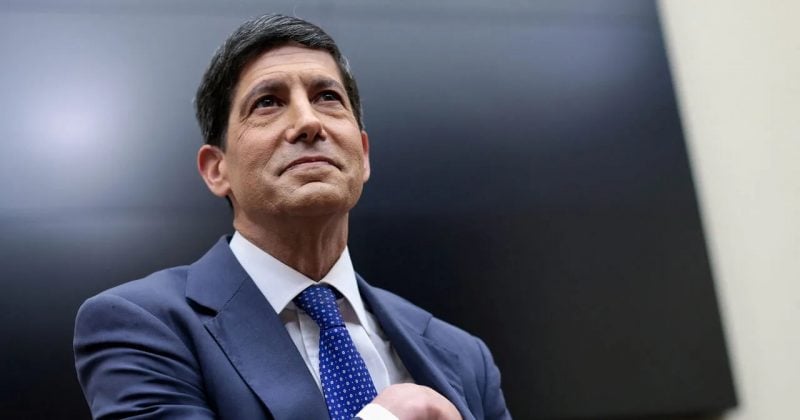
Kevin Warsh has been running the Federal Reserve for roughly two months, and he’s already doing something his predecessors rarely attempted: asking other people what they think before telling everyone what he thinks.
On July 9, 2026, the 17th Fed chair announced the formation of five external task forces designed to rethink how the central bank communicates, manages its balance sheet, uses data, frames inflation, and responds to the productivity effects of artificial intelligence. The groups are stacked with heavyweight names, including venture capitalist Marc Andreessen, former Bank of England governor Mervyn King, and former Reserve Bank of India governor Raghuram Rajan. Recommendations are due by the end of 2026.
A deliberate blank slate
In conversations with outside experts, he’s posed pointed questions about policy direction without expressing his own views. Warsh has publicly described his vision as a “regime change” in how the Fed conducts monetary policy. He wants less reliance on forward guidance, which is the Fed’s practice of telegraphing future rate moves to markets months in advance. He wants a tighter focus on the dual mandate: maximizing employment and stabilizing prices.
He’s also framed inflation not as some mystical force that happens to economies, but as “a choice.” The central bank can choose to tolerate it or choose to fight it. He’s even called for a “good family fight” over policy ideas within the institution.
The task forces and who’s on them
The five task forces cover communications, balance sheet policy, data usage, productivity and AI, and inflation frameworks.
The AI and productivity task force is co-led by Marc Andreessen and is tasked with examining how artificial intelligence might reshape jobs and economic output.
The balance sheet task force will examine how the Fed manages its massive portfolio of Treasury and mortgage-backed securities.
The inflation framework group is revisiting the post-2020 approach to inflation targeting, including the fixed 2% target that has defined central bank orthodoxy for decades.
What crypto investors should notice
There’s a conspicuous absence in all of this: crypto. Digital assets, stablecoins, tokenization, central bank digital currencies. None of it appears in the scope of these task forces.
The current federal funds rate sits at 3.5%-3.75%, held steady amid what Warsh has characterized as healthy economic conditions.
Investors should watch the task force recommendations closely when they land later this year. Any changes to the inflation framework or balance sheet strategy will ripple through every asset class, including crypto.
Disclosure: This article was edited by Editorial Team. For more information on how we create and review content, see our Editorial Policy.







 English (US) ·