
 2 weeks ago
49
2 weeks ago
49
Brent crude futures blew past $100 per barrel on September 9, reaching session highs between $100.95 and $101.18. That marks the first time oil has crossed the triple-digit threshold since July, and it comes at possibly the worst moment for central bankers trying to figure out what to do about interest rates.
West Texas Intermediate, the US benchmark, climbed toward the mid-$90s in tandem. The move represents an approximately 25% increase since early August and over 60% year-to-date, making oil one of the best-performing asset classes of 2026 by a comfortable margin.
The geopolitical engine behind the rally
The catalyst is straightforward: the US-Iran conflict that began on February 28 has escalated sharply, and markets are pricing in the possibility that global oil supply could be choked at its most critical bottleneck. US military operations destroyed five Iranian oil tankers in recent exchanges. Iran responded with missile strikes targeting US forces, including an attack on a US military base in Jordan.
The Strait of Hormuz has seen its traffic severely disrupted since hostilities began. Every barrel that doesn’t transit smoothly through that corridor tightens global supply and pushes prices higher.
The $100 level carries a psychological weight that extends well beyond trading desks. Brent remains well below its 2026 peak of $126.41, set back in April during an earlier spike in hostilities. Analysts have noted that demand destruction typically doesn’t kick in meaningfully until prices approach $150 per barrel.
Inflation’s unwelcome encore
The national average gasoline price in the US has climbed to approximately $4.22 per gallon, while diesel has hit record highs near $5.92 per gallon.
European gas prices have also risen sharply in response. Both the European Central Bank and the Federal Reserve face pivotal rate decisions as energy cost pressure spreads globally.
What this means for markets
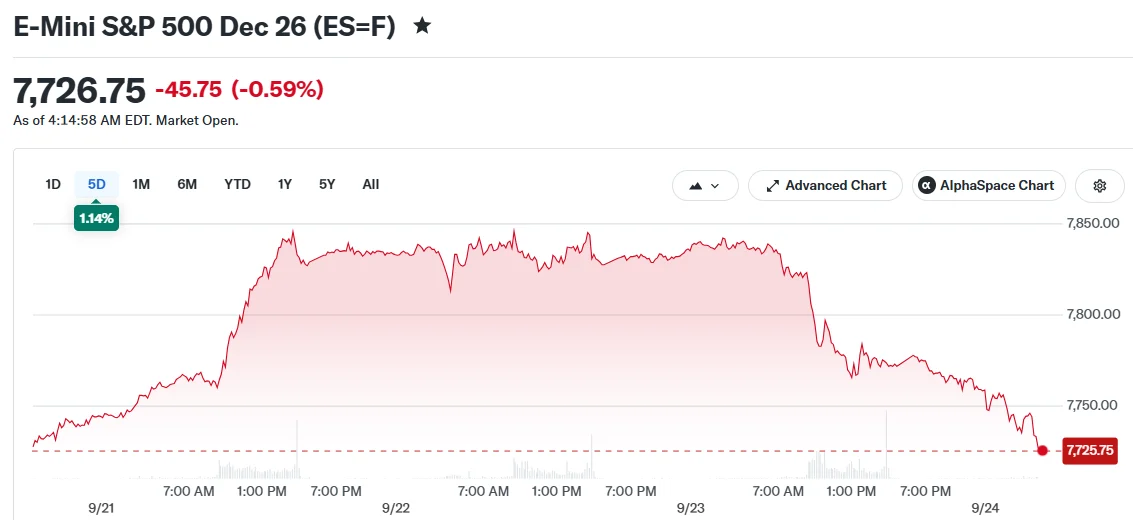
Treasury yields have moved in response to the inflation repricing, and equity markets are recalibrating expectations for corporate profitability. Higher energy costs compress margins for businesses across nearly every sector, from airlines to agriculture to retail.
The bond market may prove to be the more consequential arena. Fixed-income investors who positioned for rate cuts in 2026 are already underwater on that thesis, and every week that oil holds above $100 makes it harder for doves at the Fed to make their case.
Disclosure: This article was edited by Editorial Team. For more information on how we create and review content, see our Editorial Policy.







 English (US) ·