
 1 month ago
74
1 month ago
74
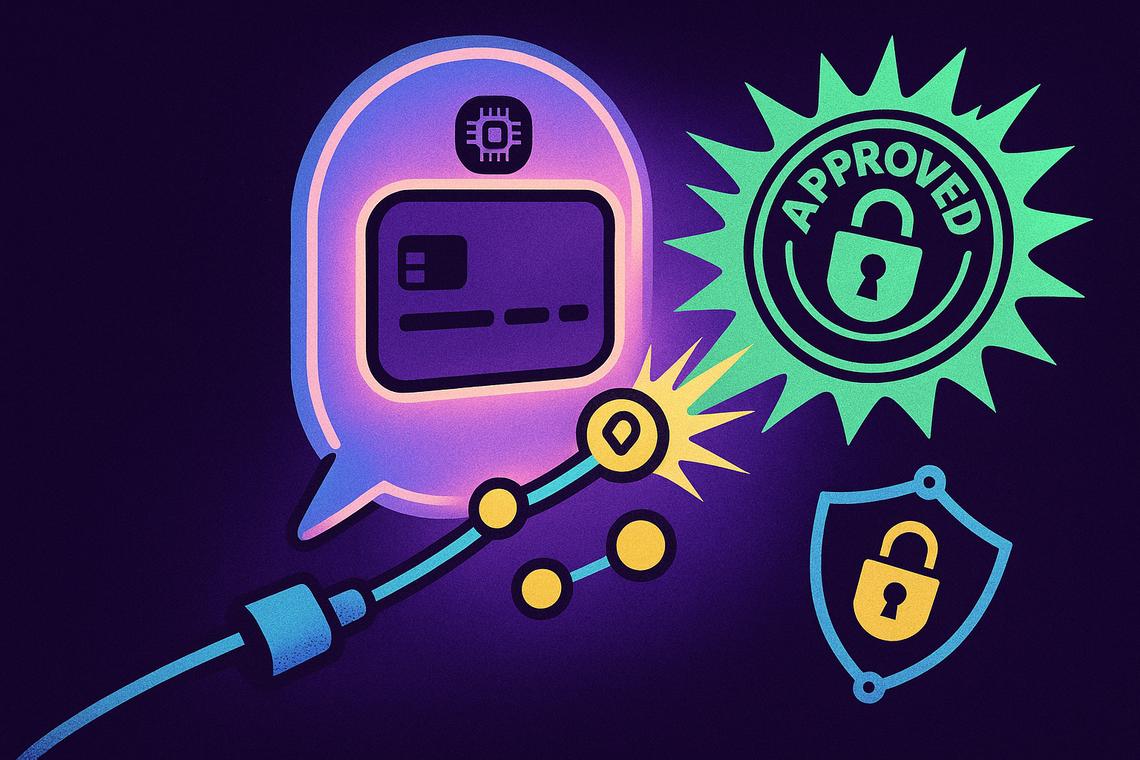
What happens when one of the world’s most widely used AI chatbots gains the ability to make purchases on your behalf? That is no longer a hypothetical. On June 11, 2026, OpenAI and Visa announced an OpenAI Visa ChatGPT payment integration that will embed payment capabilities directly inside ChatGPT, signaling how fast AI-enabled payments are moving from concept to commerce.
The announcement came during Visa’s Payments Forum in San Francisco, where the companies framed the collaboration as a major step toward AI-driven transactions. In practice, the goal goes beyond recommendations. The idea is for AI agents to complete purchases with real money on a user’s behalf, while still keeping the user in control.
That shift matters because it places Visa inside the ChatGPT experience itself. Rather than acting only behind the scenes at checkout, the payments giant is moving toward a role inside the conversation, where shopping, authorization, and payment could happen in one flow.
OpenAI Visa ChatGPT payment integration brings payments into the chat
At its core, the deal gives OpenAI access to Visa’s payment infrastructure, tokenization technology, and anti-fraud mechanisms. Visa says the effort is part of “agentic commerce,” a model in which AI systems do more than suggest products. Instead, they can research items, compare prices, and help complete the payment process.
For Visa, this is more than a product update. It is a strategic repositioning. Payment networks have traditionally stayed out of sight for consumers, but embedding Visa’s technology in ChatGPT changes that relationship. As a result, the network becomes a direct part of how people shop and transact.
Jack Forestell, Visa’s Chief Product and Strategy Officer, said artificial intelligence represents a more transformative force for commerce than either the internet or mobile computing. That is a strong claim, and it shows how seriously Visa is treating the shift toward AI-powered platforms.
How the AI-enabled payments system is designed to work
Payment infrastructure, tokenization, and fraud prevention
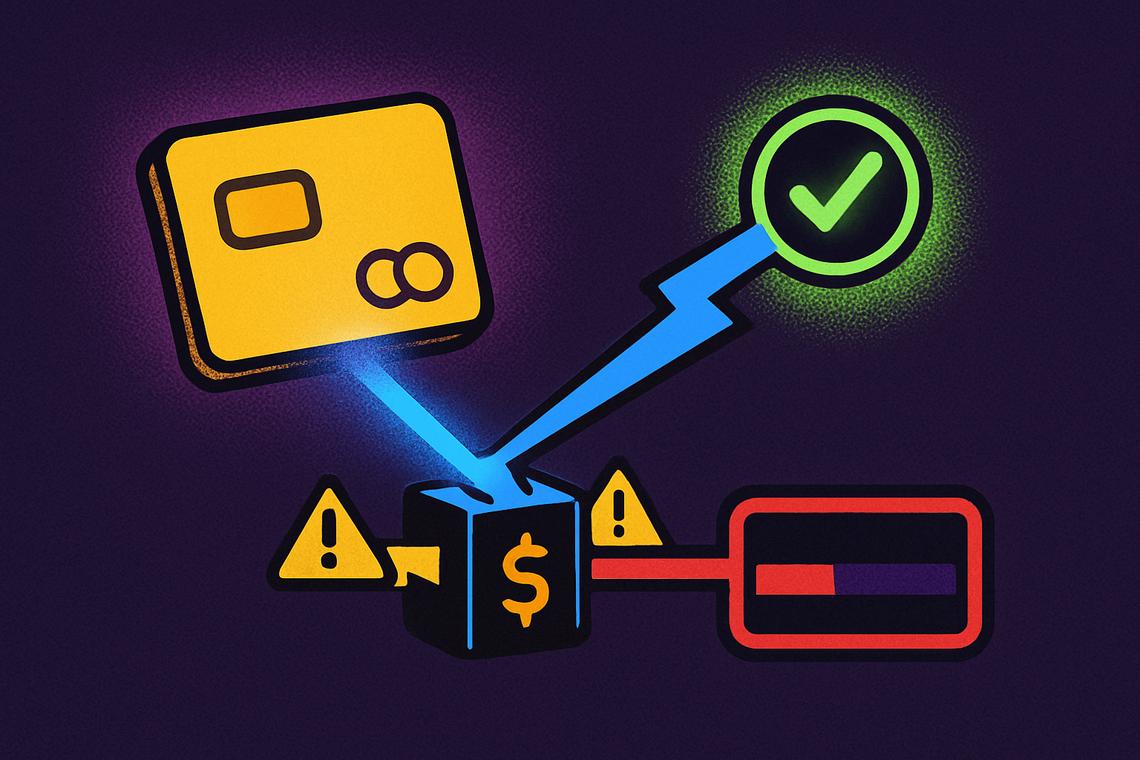
The technical backbone of the integration relies on tokenized payment data and instant authorization protocols. Instead of sending raw card details through an AI system, tokenization replaces sensitive information with secure digital identifiers. Visa has long used that approach across its network, and it remains one of the clearest security layers in the announcement.
Visa also said the collaboration includes real-time fraud prevention tools that are meant to monitor transactions as they happen. The company has not fully disclosed how fraud detection will work inside an AI-driven payment flow. Even so, tokenization already addresses one of the biggest concerns around moving payments into conversational AI.
User controls and secure transaction technology
Just as important, users remain in control. The system is designed so people can set spending thresholds, configure financial institution parameters, and approve transactions before they are executed. Nothing is meant to go through automatically without authorization.
Marco Mahrus, OpenAI’s Head of Partnerships, described the goal as building infrastructure for “secure, transparent, and user-controlled” commerce experiences. That framing answers the obvious concern around whether AI agents can be trusted with financial decisions. By keeping humans in the approval loop, the companies are trying to balance convenience with accountability.
Trust is the real hurdle here. If users do not feel comfortable with what their AI agent is spending, the concept may struggle to gain traction, no matter how smooth the technology becomes.
Why the partnership matters beyond consumer shopping
The collaboration is not limited to consumer purchases inside ChatGPT. Visa and OpenAI are also working on corporate solutions, including integrating Visa’s payment processing capabilities with OpenAI’s Codex programming assistant. The aim is to give developers and businesses tools to build Visa-powered payment features into AI-driven applications.
That enterprise angle matters because it expands the use case beyond retail. In turn, it suggests the partnership is not only about checkout inside ChatGPT, but about creating an infrastructure layer that other products can use. Businesses running AI-powered workflows could eventually process vendor payments, manage subscriptions, or automate procurement through systems connected to Visa’s network.
The announcement also lands at a sensitive moment for OpenAI. The company recently filed confidential documentation for a public market debut, which has sharpened investor attention. Anthropic filed similar paperwork around the same period. Against that backdrop, a high-profile financial partnership with Visa gives OpenAI a visible and established ally as it moves closer to the public markets.
Meanwhile, competition is already building. Mastercard is developing its own AI-enabled payment solutions, which shows that the major global payment networks are racing to claim a position in agentic commerce.
- Visa is embedding payment infrastructure, tokenization, and anti-fraud tools directly into ChatGPT.
- Mastercard is building parallel AI-enabled payment solutions, signaling broader industry momentum.
The broader pattern is hard to miss: payment infrastructure is increasingly being built into AI platforms from the ground up rather than added later. That shift changes the competitive dynamic for card networks, banks, and fintech companies that have spent years building checkout systems around the outside of the AI experience.
For now, the clearest takeaway is that ChatGPT is moving closer to becoming a financial interface, not just a writing tool or search assistant. Whether users embrace that change, or hesitate before letting an AI agent spend money, will help determine how quickly agentic commerce becomes mainstream.
FAQ
What specific payment features will ChatGPT gain from the Visa partnership?
ChatGPT will gain the ability to facilitate purchases through Visa’s payment infrastructure, including tokenized transaction processing, real-time fraud prevention, and user-approved spending controls. The integration is aimed at both consumer purchases and corporate solutions.
How does “agentic commerce” redefine AI’s role in payment processing?
Agentic commerce refers to a model in which AI systems actively manage purchasing tasks, including researching products, comparing prices, and completing transactions. Visa is positioning this as the next stage of online commerce.
What user controls are implemented to ensure secure transactions?
Users can set spending thresholds, configure parameters with their financial institutions, and approve individual transactions before any payment is executed. The system uses tokenized payment data rather than raw card details.
How does the partnership impact OpenAI’s IPO plans?
OpenAI recently filed confidential IPO documents, and the Visa partnership gives the company a prominent financial services ally as it moves toward a public offering. The collaboration adds strategic credibility and signals readiness for enterprise-scale financial integration.
What competitive AI payment developments exist aside from Visa?
Mastercard is developing its own AI-enabled payment solutions, which shows that leading global payment networks are competing for position in the emerging agentic commerce market.







 English (US) ·