
 59 minutes ago
10
59 minutes ago
10
SpaceX just pulled off one of its most impressive Starship tests to date. The stock market responded by pushing shares to their lowest level ever.
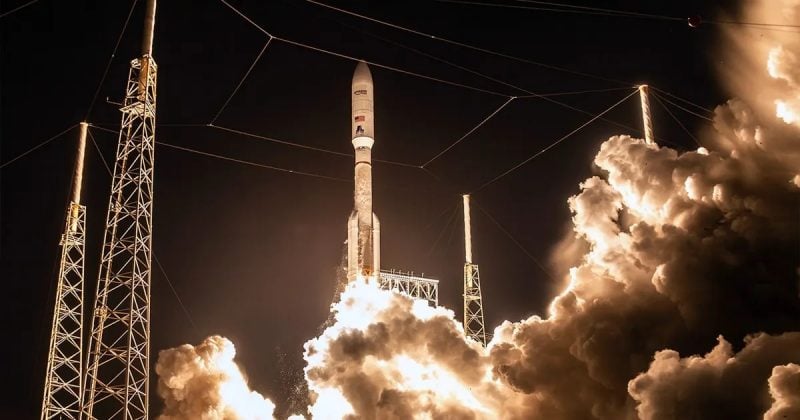
SPCX, which began trading on Nasdaq in June at $135 per share, cratered to $109.53 on July 27, roughly 18% below its IPO price. This came just three days after Starship Flight 13 successfully achieved booster recovery and deployed Starlink V3 satellites.
From post-IPO darling to a trillion-dollar headache
SpaceX debuted on public markets on June 12, and shares quickly rocketed to a post-IPO peak of approximately $225.64. The market capitalization has reportedly dropped by over $1 trillion during the selloff phase.
The decline didn’t start with Flight 13’s success. It arguably began on July 16, when a planned Starship test was scrubbed due to engine ignition failures.
The July 24 flight achieved booster landing and satellite deployment as key milestones. Despite this, the stock kept sliding, ending up nearly a fifth below its IPO price barely six weeks after going public.
Why the market isn’t buying what SpaceX is selling
SpaceX entered public markets with a price tag built on years of private-market hype, where liquidity was limited and each funding round set progressively higher benchmarks.
The July 16 scrub planted seeds of doubt that a single successful flight couldn’t fully uproot. Engine ignition failures remind investors that spaceflight remains inherently risky, and that even SpaceX isn’t immune to setbacks that can delay revenue timelines.
Starlink generates meaningful revenue, but Starship is still in its test phase, and the commercial applications that would turn it into a profit engine remain years away from generating cash flow.
What this means for investors
The over $1 trillion market cap decline has macro implications. That kind of wealth destruction in a single name creates ripple effects across portfolios, particularly for institutional investors who allocated heavily to SpaceX at or near the IPO.
SpaceX dominates commercial launch, Starlink is expanding globally, and Starship’s test program is advancing despite hiccups. If the test program hits more delays, or if operating costs balloon beyond projections, $109.53 might not be the floor.
Disclosure: This article was edited by Editorial Team. For more information on how we create and review content, see our Editorial Policy.








 English (US) ·