
 2 hours ago
18
2 hours ago
18
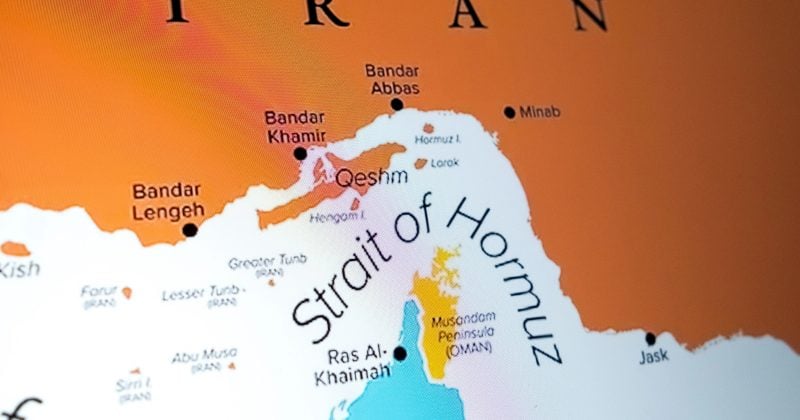
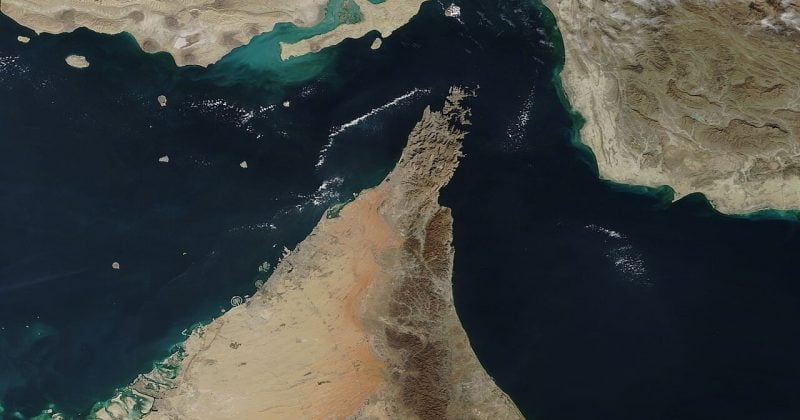
The New York Times reports a marked decrease in ship traffic through the Strait of Hormuz, reaching its lowest in a month following recent military strikes. This downturn comes after Iran reportedly attacked a vessel, prompting retaliatory measures from U.S. forces. The critical waterway, essential for global crude oil transport, has seen significantly reduced activity, indicating heightened tensions in the region.
In the prediction markets, this development has significantly influenced expectations regarding ship transits through the Strait of Hormuz in early July. Market pricing now heavily leans towards the scenario that fewer than 150 ships will have transited the strait within the specified timeframe. This reflects the impact of the geopolitical instability on maritime operations in the area, consistent with a YES outcome in the relevant market.
Key Takeaways
- Market behavior suggests a strong likelihood of fewer than 150 ships transiting the Strait of Hormuz during the first week of July.
- The reduction in ship traffic is consistent with increased geopolitical tensions, following Iran’s actions and subsequent U.S. strikes.
- Pricing indicates heightened concerns over the security situation in the Strait of Hormuz, affecting oil transportation routes.
What to Watch
Observers should monitor ongoing tensions between Iran and the U.S. for further developments that may impact maritime operations in the region. The potential for additional strikes or diplomatic negotiations could alter ship traffic dynamics. Watch for official statements from both governments and any changes in military posture that might influence shipping activities in the Strait of Hormuz.
Get live prediction-market analysis, powered by Vera. Sign up for Vera.
Disclosure: This article was edited by Estefano Gomez. For more information on how we create and review content, see our Editorial Policy.






 English (US) ·