
 1 hour ago
22
1 hour ago
22
The US and Iran just signed a deal that could funnel tens of billions of dollars into Tehran’s coffers annually. The mechanism is deceptively simple: charge ships to pass through one of the most important waterways on the planet.
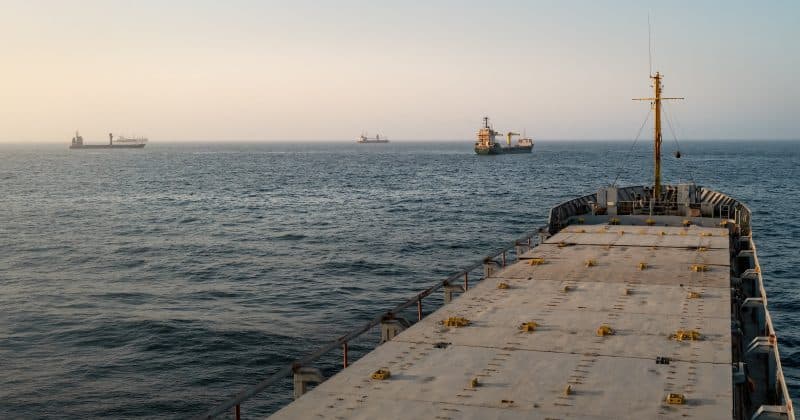
The memorandum, signed on June 18-19 by President Donald Trump and Iranian President Masoud Pezeshkian, lifts the US naval blockade of the Strait of Hormuz and reopens commercial shipping through the chokepoint. Roughly 20% of the world’s oil supply passes through this narrow channel between Iran and Oman.
The 60-day clock is ticking
Passage through the strait is toll-free for the first 60 days. After that, Iran plans to impose service fees on maritime traffic, a revenue stream Tehran estimates could generate up to $40 billion annually.
The deal also unlocks access to approximately $300 billion in frozen Iranian assets and includes oil export waivers as part of broader sanctions relief. A two-month window for nuclear discussions is baked into the agreement.
Oil prices dropped roughly 5% following the announcement, with Brent crude declining significantly as traders priced in reduced supply disruption risk. More than 10 commercial vessels transited the strait shortly after the agreement took effect.
From Bitcoin tolls to diplomatic breakthroughs
Tensions escalated sharply after Iran reportedly shut the strait on February 28, 2026, triggering a months-long standoff that rattled global energy markets and supply chains.
In April 2026, Tehran began accepting Bitcoin and other digital assets as toll payments for vessels attempting passage. The fees were steep: up to $1 per barrel of cargo, or approximately $2 million for a fully loaded supertanker.
What this means for investors
Reopening the strait reduces the geopolitical risk premium that had been inflating oil prices since the blockade began. The 5% drop in Brent crude is the market’s first exhale in months.
Once the 60-day toll-free window closes, Iran’s fee structure becomes the new variable. If Tehran follows through on its $40 billion annual revenue target, those costs will be passed along the supply chain to shipping companies, energy traders, and ultimately consumers.
Traders should watch three things closely: any signals from Tehran about its post-60-day fee structure; progress or lack thereof on nuclear discussions; and whether Iran announces plans to accept crypto payments alongside traditional currency when tolls resume.
Disclosure: This article was edited by Editorial Team. For more information on how we create and review content, see our Editorial Policy.





 English (US) ·