
 1 month ago
32
1 month ago
32
Kevin Warsh is now the most powerful central banker on the planet, and he thinks Bitcoin is gold for millennials. That combination should get your attention.
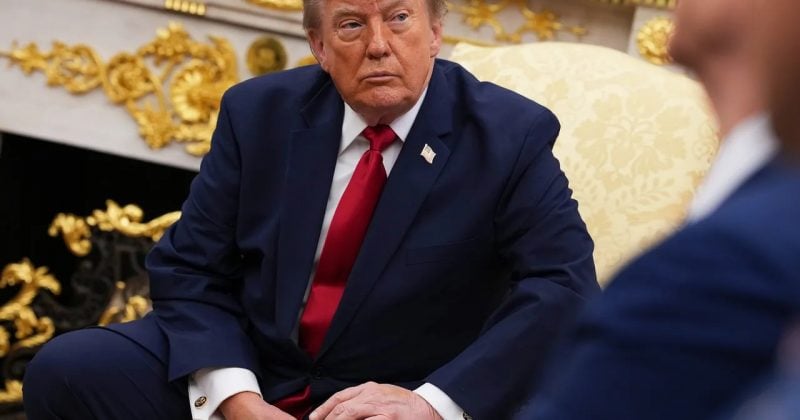
President Trump officially endorsed Warsh as his pick to lead the Federal Reserve, telling him publicly on May 22, 2026: “I want Kevin to be totally independent… just do your own thing.”
From Wall Street to the Eccles Building
Warsh is not a newcomer to the Fed. He served as a governor from February 2006 through March 2011, a stretch that included navigating the worst financial crisis since the Great Depression.
The Senate confirmed Warsh on May 13, 2026, with a 54-45 vote. That makes it the most partisan confirmation vote for a Fed chair nominee in history. He was sworn in on the same day Jerome Powell’s term as chair officially ended, ensuring no gap in leadership at the top of the central bank.
A Fed chair with a crypto portfolio
Warsh’s financial disclosure revealed stakes in over 30 crypto entities, with a total value estimated between $131 million and $209 million. Among his holdings are positions in well-known projects including Solana and Bitcoin.
During his Senate Banking Committee hearing in April 2026, Warsh stated that digital assets are “embedded in U.S. financial services.” He called Bitcoin “the new gold for people under 40.”
Warsh also took a clear stance against a US central bank digital currency, calling a CBDC a “bad policy choice.”
The Department of Justice also recently dropped a probe that had been viewed as a potential obstacle to Warsh’s confirmation. With that cleared, his path through the Senate opened up without further delays.
Independence, or the appearance of it
Trump’s public emphasis on Fed independence is worth examining carefully. This is the same president who previously called Powell’s rate decisions “crazy” and suggested the Fed chair should be fired for not cutting rates fast enough.
Warsh promised during his confirmation process to maintain independence from political influence. The appointment lands during a period of active tension over interest rate policy and lingering inflation concerns.
Disclosure: This article was edited by Editorial Team. For more information on how we create and review content, see our Editorial Policy.


 English (US) ·