
 1 week ago
70
1 week ago
70
The United States wants to double down on grid-scale energy storage. It also wants to cut China out of the equation. The problem is that right now, you largely cannot do one without the other.
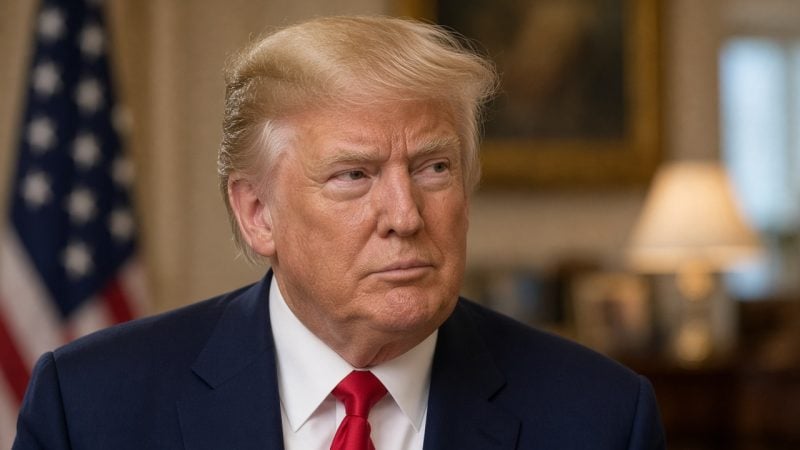
President Trump signed Executive Order 14420 on August 26, 2026, declaring a national emergency over foreign-manufactured equipment in the bulk-power system. The directive gives the Department of Energy authority to restrict or attach conditions to electrical equipment sourced from “covered foreign entities,” a category that points squarely at China.
What the order actually does
The rule targets three categories of hardware: battery energy storage systems, grid-connected inverters, and transformers. Any transaction involving these components tied to a covered foreign entity and initiated after the signing date falls under the order’s reach.
The DOE has until December 24, 2026, to publish implementing rules. Until that guidance lands, developers are essentially operating in a fog, committing capital to projects without knowing exactly which components will be restricted or under what conditions.
China controls roughly 80% of global lithium-ion battery supply-chain capacity, and approximately 40% of 2025 US inverter volumes were sourced from Chinese manufacturers. Removing that supply overnight is not a swap, it is a reconstruction project.
Tariffs had already started tightening the screws before this order arrived. Chinese battery tariffs rose to 25% as of January 2026, up from 7.5% previously. The executive order is a harder stop on top of a price signal that was already reshaping procurement decisions.
Why the math is difficult
BloombergNEF analysts have warned that the executive order could critically impair the market for Chinese batteries and inverters in the US, potentially creating significant hurdles to achieving renewable energy targets.
Developers face a specific kind of uncertainty that is harder to price than a tariff. A tariff raises costs by a known percentage. A blanket prohibition with rules still being written means a project could be permitted, financed, and under construction before anyone knows whether its battery supplier is compliant. That is the kind of risk that kills deals at the term sheet stage.
The 120-day window the DOE has to issue rules will likely determine how severe the near-term damage is. Narrow, clearly scoped guidance that grandfathers existing contracts and provides safe harbors for allied-nation components would soften the blow. Broad rules with no carve-outs would effectively halt a significant portion of the project pipeline.
Who gains, and what it costs them
South Korean battery makers are the most obvious near-term beneficiaries. Companies with US manufacturing footprints or supply chains routed through non-covered countries are positioned to absorb demand that would otherwise flow to Chinese suppliers.
The national security rationale for the order is coherent: grid-connected hardware from adversarial nations creates cybersecurity exposure and supply-chain leverage that a determined adversary could exploit.
For developers currently working through project pipelines, the immediate move is to audit supplier chains against the likely scope of the order and model scenarios around the December rules publication. Projects with Chinese hardware mid-procurement face the hardest decisions, particularly if financing is contingent on equipment specifications already locked in.
Investors in the clean energy space should watch the DOE rulemaking process closely. The difference between a workable framework and a project-killing one will show up in how the department handles allied-nation components, grandfathering of existing contracts, and whether waivers are available for hardware with no viable domestic substitute.
Disclosure: This article was edited by Editorial Team. For more information on how we create and review content, see our Editorial Policy.





 English (US) ·