
 1 hour ago
15
1 hour ago
15
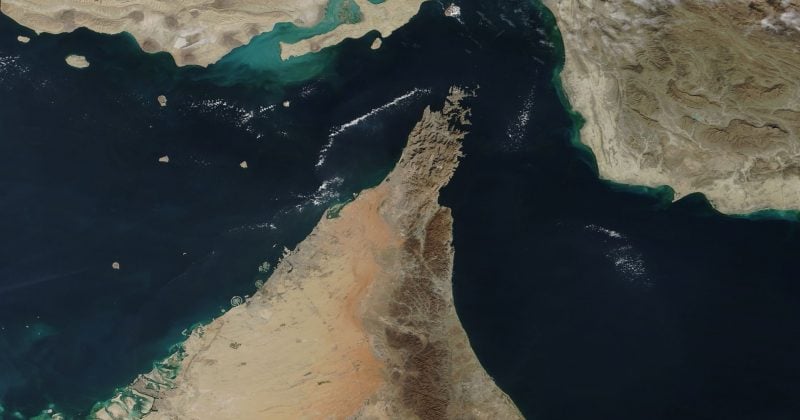
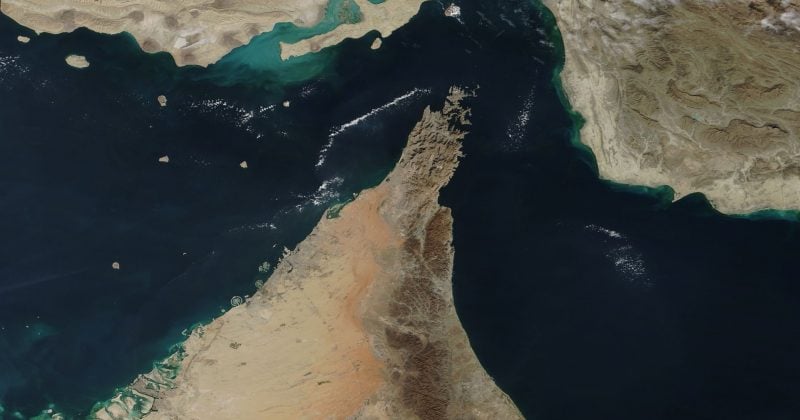
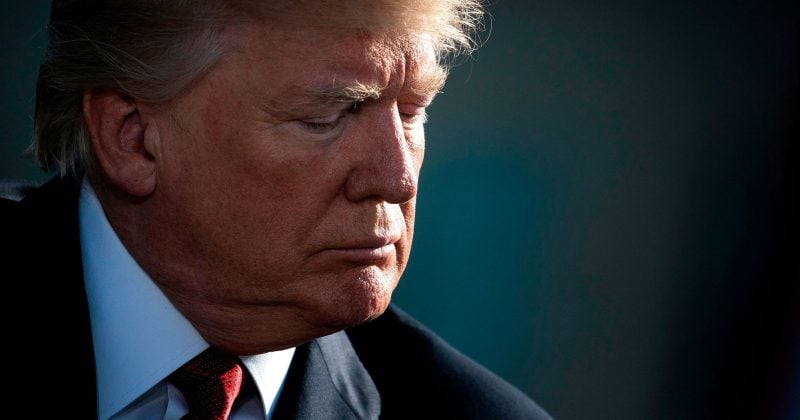
President Donald Trump announced that the US will dip into Iranian assets controlled by Washington to pay shipping companies for damages sustained in the Strait of Hormuz. The announcement, made via Truth Social, marks the latest chapter in a Gulf confrontation that has been steadily ratcheting up since early 2026.
From cargo fees to frozen assets
This isn’t Trump’s first swing at solving the Strait of Hormuz problem with money. On July 13, he floated a 20% fee on all cargo passing through the strait to fund security operations. That idea survived roughly 24 hours before being scrapped.
The pivot to Iranian assets is a fundamentally different approach. Rather than taxing global commerce to pay for protection, the administration is now redirecting funds from the very country it blames for the disruptions. No specific shipping companies or dollar amounts have been named in connection with the new policy.
The timeline matters here. On March 1, Iranian forces declared the Strait of Hormuz closed, a move that sent shockwaves through global shipping and energy markets. The US responded by reinstating a naval blockade of Iranian ports around July 15, setting the stage for the compensation announcement roughly a week later.
For context, about a fifth of the world’s oil supply passes through the Strait of Hormuz on any given day.
The insurance backstop already in play
The Trump administration had already been building financial infrastructure around the Gulf crisis before this latest announcement. Back in March, the US International Development Finance Corporation signaled it was prepared to offer political risk insurance for up to $20 billion to qualifying vessels operating in the region.
Insurance costs for vessels transiting the Gulf had already spiked as Iranian forces escalated their disruption campaigns targeting oil shipments. The frozen Iranian assets add another layer to this financial response. Where insurance covers future risk, the asset seizure approach is retrospective, compensating for damage already done.
What this means for markets and crypto
Earlier in 2026, the US had already taken actions targeting Iranian-linked digital assets, suggesting that the administration views cryptocurrency as part of the broader financial battlefield with Tehran. While this particular announcement doesn’t involve blockchain or digital currencies directly, the broader framework of seizing and redirecting foreign assets has obvious parallels to the Treasury Department’s growing comfort with targeting crypto wallets tied to sanctioned entities.
The legal precedent being set here also deserves attention. Using one nation’s frozen assets to directly compensate private companies from allied nations is a significant step beyond traditional sanctions enforcement.
Disclosure: This article was edited by Editorial Team. For more information on how we create and review content, see our Editorial Policy.




 English (US) ·