
 3 hours ago
9
3 hours ago
9
President Donald Trump has ordered US Central Command to carry out a third straight night of strikes on Iranian military targets, escalating a conflict that has already sent Bitcoin tumbling below $62,000 and pushed Brent crude toward $105 per barrel. In the same breath, Trump has signaled openness to negotiations, referencing recent high-level discussions with Iranian officials.
What’s happening on the ground
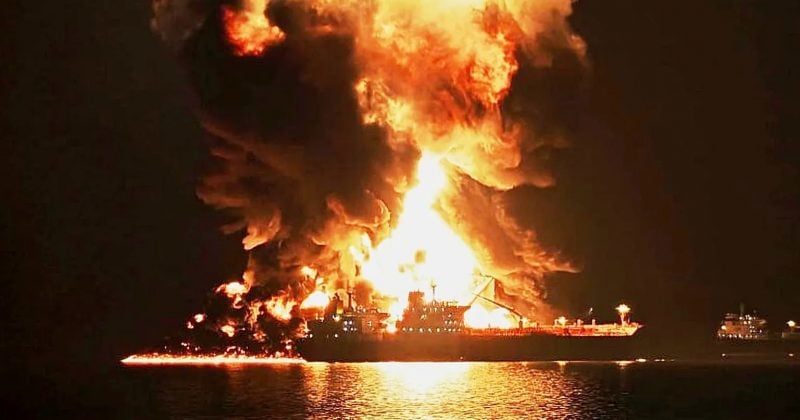
The strikes, carried out on July 14, 2026, represent the latest chapter in a military campaign that has been intensifying for months. Trump has simultaneously reinstated a naval blockade of Iranian ports in the Strait of Hormuz, one of the most critical shipping chokepoints on Earth. Roughly a fifth of the world’s petroleum passes through that narrow waterway on any given day.
The blockade comes with an unusual side request. Trump has proposed that wealthy Gulf nations pay the US for protecting shipping routes in the region, essentially billing allies for naval escort services.
Iran has not taken any of this quietly. The Iranian military has retaliated with strikes on US assets in the region, creating a feedback loop of escalation that has complicated American military strategy. Earlier ceasefires established in 2026 have been declared “over” multiple times.
Trump has warned of severe consequences if negotiations fail, including what he described as the potential obliteration of Iranian infrastructure.
Bitcoin and crypto markets feel the heat
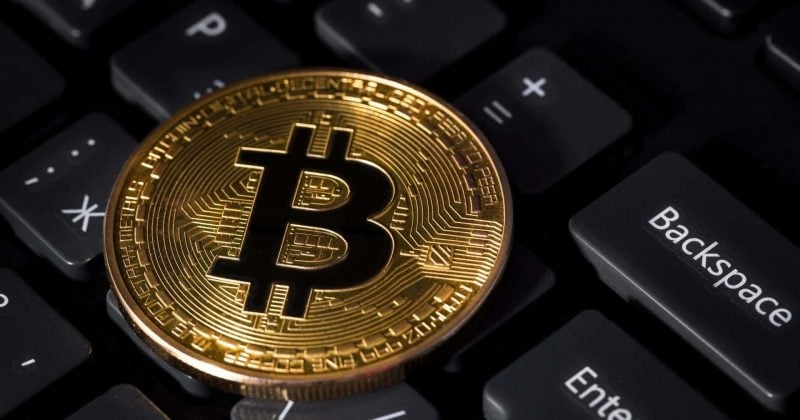
During the most intense periods of escalation in July, Bitcoin fell below the $62,000 to $69,000 range, a significant drop that caught leveraged traders off guard. Back in May 2026, when Trump initially threatened military action against Iran, Bitcoin dipped below $77,000 as risk-off sentiment swept through markets.
Brent crude soared to nearly $105 per barrel in May 2026 as the Strait of Hormuz blockade threatened global energy supply chains.
Crypto-focused outlets including CoinDesk and The Block have documented these market reactions extensively, tracking the near-real-time correlation between military headlines and Bitcoin price action.
The deal that might not happen
Despite the military escalation, Trump has left a diplomatic door ajar. He referenced recent discussions with Iranian officials and suggested a comprehensive agreement remains within reach. Multiple ceasefires have already collapsed in 2026, and each failed agreement makes the next one harder to negotiate.
What this means for crypto investors
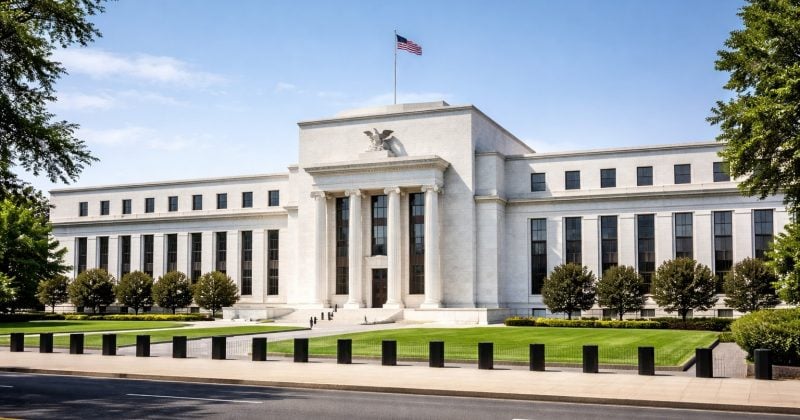
With Brent crude near $105, inflation pressures could force central banks to maintain tighter monetary policy for longer. If oil prices continue climbing due to sustained disruption in the Strait of Hormuz, the knock-on effects for Bitcoin could extend well beyond the immediate conflict.
A short-lived blockade with a negotiated resolution could trigger a sharp relief rally in both crypto and equities. A prolonged standoff with continued military exchanges points to more downside risk and wider price swings.
Disclosure: This article was edited by Editorial Team. For more information on how we create and review content, see our Editorial Policy.



 English (US) ·