
 1 month ago
45
1 month ago
45
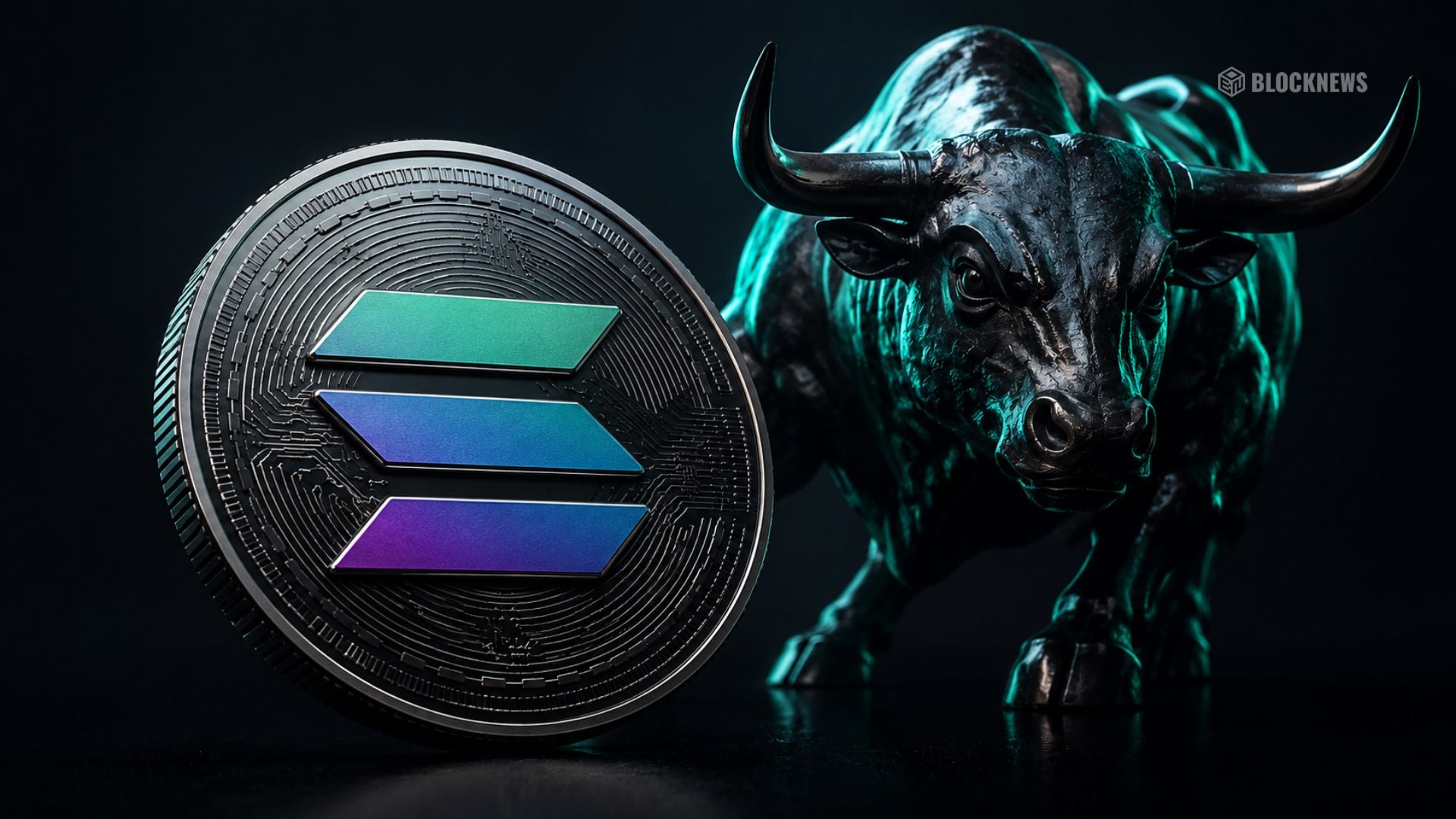
Kevin Warsh is about to become the most powerful person in finance, and he happens to own Solana.
President Trump will officiate Warsh’s swearing-in as Federal Reserve Chair on May 22, making him the first Fed chair to take the oath at the White House in nearly 40 years. The ceremony caps a turbulent transition at the top of America’s central bank, one that crypto markets have been watching with unusual intensity.
A narrow confirmation, a wide mandate
The Senate confirmed Warsh on May 13 with a 54-45 vote. Not exactly a ringing endorsement, but enough to get the job done.
Warsh will serve a four-year term as chair and a fourteen-year term as a Fed governor. That second number matters more than it sounds. It means his influence over monetary policy could outlast multiple presidential administrations, giving him a runway that few central bankers get to enjoy.
Trump first nominated Warsh back in January, amid escalating friction with outgoing Chair Jerome Powell over the pace of interest rate decisions. Powell’s tenure became defined by a tug-of-war between the White House’s appetite for cheaper money and the Fed’s institutional reluctance to cut rates too aggressively. Warsh’s nomination was widely interpreted as Trump’s way of installing someone more aligned with his economic priorities.
Warsh is not exactly a newcomer to the building. He previously served as a Federal Reserve Governor from 2006 to 2011, a stretch that included the global financial crisis. That experience gives him a rare perspective on systemic risk, though critics have questioned whether his connections to the finance industry, particularly ties to the Lauder family, could color his judgment at the helm.
The crypto angle is hard to ignore
Here’s the thing. The incoming Fed chair holds personal investments in Solana and Polymarket. That’s not a rumor or a vague association. Those are disclosed holdings from a man who will now oversee the institution most responsible for setting the monetary conditions that drive risk asset prices.
During his Senate confirmation hearings, Warsh made a comment that ricocheted through the digital asset community. He said Bitcoin does not make him nervous. In the context of Fed confirmation theater, where nominees typically treat crypto questions like unexploded ordnance, that was a remarkably direct statement.
He went further, expressing support for integrating digital currencies into the mainstream financial system. For an industry accustomed to regulatory hostility from Washington, hearing those words from the incoming Fed chair landed differently than the usual political lip service.
The contrast with the Powell era is stark. Under Powell, crypto regulation was characterized by enforcement actions and a general posture that treated digital assets as problems to be managed rather than innovations to be incorporated. Warsh appears to represent a philosophical shift, though the gap between confirmation hearing rhetoric and actual policy has burned crypto investors before.
What markets are pricing in
After Warsh’s Senate confirmation, Bitcoin was trading in a range between $79,500 and $80,000. Market analysts have speculated that his anticipated approach to monetary policy could push Bitcoin toward $90,000, driven by expectations of a more accommodating rate environment.
The logic is straightforward. A Fed chair inclined toward easier monetary conditions means lower interest rates, which means cheaper capital, which means more money flowing into risk assets. Bitcoin and the broader crypto market have historically moved in lockstep with liquidity conditions. When money is cheap, speculative assets tend to rally. When the Fed tightens, they tend to suffer.
Warsh’s background suggests he leans toward the dovish end of the spectrum, at least relative to Powell’s later years. His nomination itself was born from Trump’s dissatisfaction with what he viewed as unnecessarily restrictive rate policy. Reading between the lines, the White House expects Warsh to ease conditions, and crypto traders are making the same bet.
But there’s a meaningful difference between being crypto-friendly in disposition and being crypto-friendly in practice. The Fed chair’s primary tools are interest rates and bank regulation, not token policy. Warsh can create a more favorable macro environment for digital assets, but he can’t single-handedly rewrite the regulatory framework that governs exchanges, stablecoins, or DeFi protocols. That work still sits with Congress and agencies like the SEC.
The more consequential question for investors is whether Warsh will tolerate inflation in exchange for growth. If he cuts rates aggressively to stimulate the economy, the resulting dollar weakness could be a powerful tailwind for Bitcoin, which many holders treat as an inflation hedge. If inflation proves stubborn and forces his hand toward tighter policy, his personal crypto sympathies won’t matter much.
Investors should also watch for signals about the Fed’s stance on a central bank digital currency. Powell’s Fed was cautiously exploring the concept without committing to it. Warsh’s pro-digital-asset comments suggest he might accelerate or redirect that conversation, potentially favoring private stablecoins over a government-issued alternative. That distinction alone could reshape the competitive landscape for projects like Circle’s USDC and Tether.
The May 22 ceremony is symbolic, but the real action starts the moment Warsh sits down for his first Federal Open Market Committee meeting. That’s when markets will learn whether the new chair’s crypto investments and Senate hearing soundbites translate into actual policy shifts, or whether the gravitational pull of the institution reshapes him first.
Disclosure: This article was edited by Editorial Team. For more information on how we create and review content, see our Editorial Policy.


 English (US) ·