
 13 hours ago
22
13 hours ago
22
President Donald Trump posted on Truth Social urging Republican lawmakers to fold Iran into a bipartisan sanctions bill originally designed to punish countries buying Russian energy. The bill, which already contemplates tariffs as high as 500% on imports from nations that purchase Russian oil and gas, would gain significantly sharper teeth if Iran is added to the target list.
The Senate is reportedly preparing to vote on the legislation as early as this coming week. For anyone holding risk assets, from equities to crypto, the timing matters.
What the sanctions bill actually does
The legislation traces back to the late Senator Lindsey Graham, who co-authored it with Senator Richard Blumenthal. In its original form, the bill was straightforward if aggressive: any country that continues importing Russian energy would face potential tariffs of up to 500% on their goods entering the US.
Trump had previously endorsed the bill after a January 2026 meeting with Graham. His latest move pushes the scope further by arguing Iran should be included in the same legislative framework, effectively turning a Russia-focused sanctions package into a broader tool against multiple US adversaries simultaneously.
The push comes amid active US military operations against Iranian targets, which adds a kinetic dimension to what was already an aggressive economic posture. Bundling Iran into the Russia bill creates a single legislative vehicle that addresses two of Washington’s most contentious foreign policy theaters at once.
Why crypto markets should be paying attention
None of the coverage around this sanctions push mentions crypto or digital assets directly. But expanded sanctions against both Russia and Iran would likely tighten the screws on global oil supply, or at minimum create significant uncertainty about future supply.
There’s also the sanctions evasion angle. Iran and Russia have both experimented with crypto-adjacent workarounds to bypass dollar-denominated systems. Expanding sanctions could paradoxically increase demand for decentralized financial infrastructure, even as regulators in Washington push harder to close those loopholes.
USDT and other dollar-pegged tokens have been cited in previous sanctions enforcement actions as vehicles for moving value across borders. If the new legislation passes with Iran included, expect Treasury’s Office of Foreign Assets Control to ramp up scrutiny on crypto flows connected to sanctioned jurisdictions.
The oil market wildcard
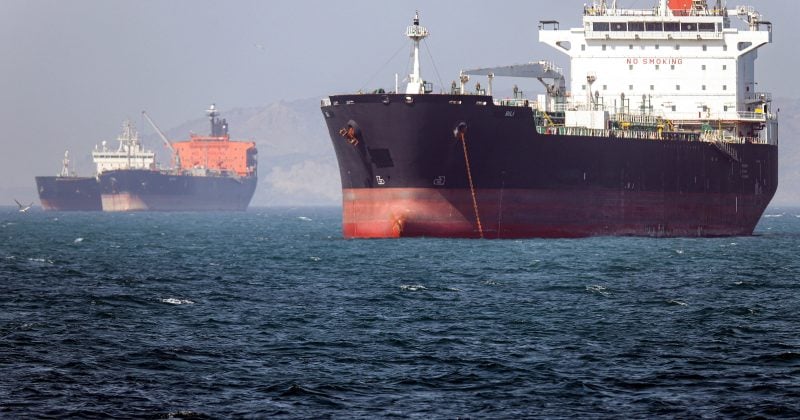
For the broader investment landscape, the most immediate impact sits in energy markets. Tariffs of up to 500% on countries buying Russian energy would force some of Russia’s biggest customers, think India and China, into an uncomfortable choice: maintain cheap energy imports from Moscow or preserve access to American markets.
Adding Iran to this equation doubles the pressure. Countries that import from both Russia and Iran would face compounding risks, and the potential for supply disruptions in global oil markets increases substantially.
Energy-focused investment portfolios face the most direct reevaluation. Trump’s endorsement significantly increases the odds of passage, and a Senate vote as early as next week means the market may not have much time to position.
Disclosure: This article was edited by Editorial Team. For more information on how we create and review content, see our Editorial Policy.




 English (US) ·