
 1 hour ago
20
1 hour ago
20
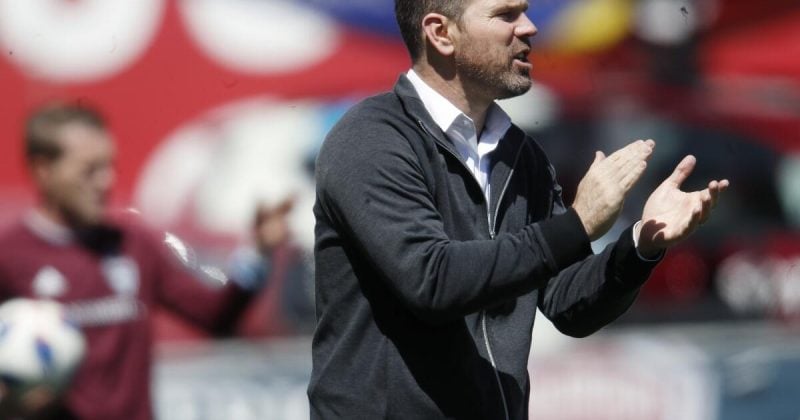
Tunisia’s football federation parted ways with head coach Sabri Lamouchi after the national team was dismantled 5-1 by Sweden in their opening match of the 2026 FIFA World Cup. The termination, described as “by mutual agreement,” came just five matches into Lamouchi’s tenure. He was appointed on January 14, barely five months before the tournament kicked off.
For crypto markets, the story isn’t really about the coaching carousel. It’s about what didn’t happen: no fan token crashed, no on-chain activity spiked, no community governance vote was triggered. Tunisia simply doesn’t have a crypto footprint in the sports token space.
A coaching tenure measured in weeks, not years
Lamouchi inherited the job after Tunisia lost on penalties to Mali in the last 16 of the Africa Cup of Nations, which prompted the departure of his predecessor Sami Trabelsi. His appointment was supposed to steady the ship ahead of the World Cup.
After the 5-1 thrashing, Lamouchi struck a defiant tone. “We have our pride. We need to react,” he said. The Tunisian Football Federation’s reaction was swift and corporate: terminate the contract and wish him “every success in his future professional endeavours.”
The fan token gap no one is talking about
When Argentina or Portugal lose a World Cup match, there’s a measurable ripple in crypto markets. Fan tokens like ARG and POR, traded on platforms built on the Chiliz blockchain, experience price swings that correlate directly with on-pitch results.
Tunisia has none of that infrastructure. There is no Tunisia fan token listed on any major exchange. The Tunisian Football Federation has no crypto sponsorship deals on record for the 2025-2026 cycle. FIFA’s own global sponsor roster for the 2026 World Cup doesn’t include a single crypto company, which means digital asset partnerships are left entirely to individual federations to negotiate.
Why Chiliz volatility matters beyond the pitch
Chiliz, the blockchain platform that powers most major sports fan tokens, has exhibited notable volatility during the early stages of the 2026 World Cup. Match outcomes are directly influencing token prices, creating a real-time, event-driven trading environment.
Tunisia’s coaching crisis is a perfect case study. A 5-1 loss and a mid-tournament sacking would have generated significant trading activity if a token existed. Instead, the event was invisible to crypto markets entirely.
What this means for investors
The absence of tokens for teams like Tunisia reveals the ceiling of the current market. Chiliz and competing platforms have not meaningfully expanded the number of national team partnerships, leaving potential trading volume and user acquisition on the table.
Right now, a World Cup with 48 teams has maybe a handful of active fan tokens generating meaningful volume. Investors should size their positions accordingly, treating fan token exposure as event-driven speculation rather than anything resembling a long-term hold.
Disclosure: This article was edited by Editorial Team. For more information on how we create and review content, see our Editorial Policy.

 English (US) ·