
 1 hour ago
21
1 hour ago
21
Three nights of quiet can move markets more than most earnings reports. The US and Iran have now avoided direct military action for a third consecutive night, and energy traders wasted no time pricing in the relief: oil benchmarks dropped roughly 4.9%, pulling the price back to around $92.02 per barrel.
That number needs context. Oil had surged to over $118 per barrel at the peak of the conflict, a run-up that represented a cumulative gain of roughly 30% since hostilities escalated on February 28, 2026.
How we got here
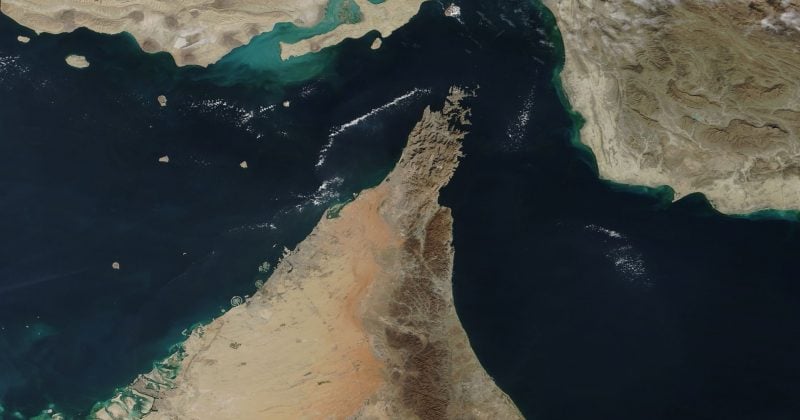
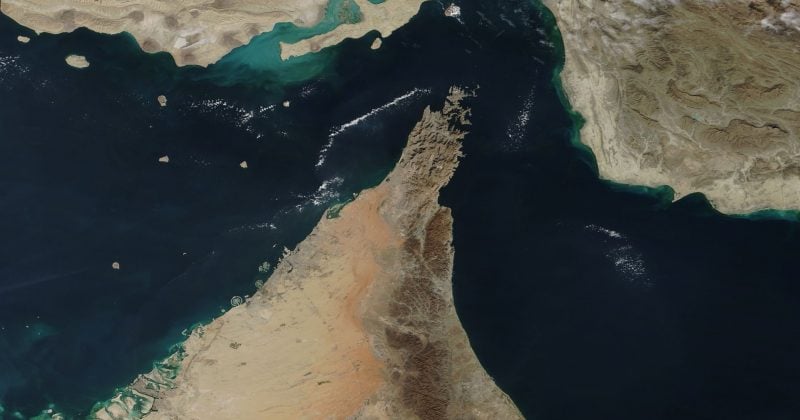
The current tension traces back to late February, when a series of US and Israeli strikes on Iranian targets set off a sharp escalation cycle. Iranian retaliation included attacks on tankers and other maritime targets, causing significant interruptions in the Strait of Hormuz, a key transit route for nearly 20% of global oil supply.
Prices climbed past $118 per barrel at the conflict’s peak, a level that began filtering through to everything from jet fuel to petrochemicals.
Crypto caught in the crossfire, and the recovery
During the sharpest escalations, Bitcoin slipped below $73K. As ceasefire signals emerged, Bitcoin moved back toward $72K.
What made this cycle different was what happened on crypto derivatives platforms. Hyperliquid, which offers oil-linked WTI perpetual futures contracts, saw daily trading volumes spike to approximately $1.32 billion during the peak tension period.
What investors should watch from here
For crypto investors, the Iran episode offers a data point that will likely shape strategy for the next conflict cycle. Bitcoin’s correlation with geopolitical risk events is no longer anecdotal. The dip below $73K and the subsequent recovery toward $72K as ceasefire signals emerged is a pattern that algorithmic and discretionary traders will have logged.
The surge in oil-linked derivatives volume on platforms like Hyperliquid also signals something structurally important: crypto infrastructure is increasingly being used to trade traditional macro exposures.
Disclosure: This article was edited by Editorial Team. For more information on how we create and review content, see our Editorial Policy.





 English (US) ·