
 1 month ago
52
1 month ago
52
The United States and Iran have finalized a memorandum of understanding set for formal signing on June 19, 2026, in Switzerland. It marks the most significant diplomatic development between the two countries in years, and crypto markets are paying close attention.
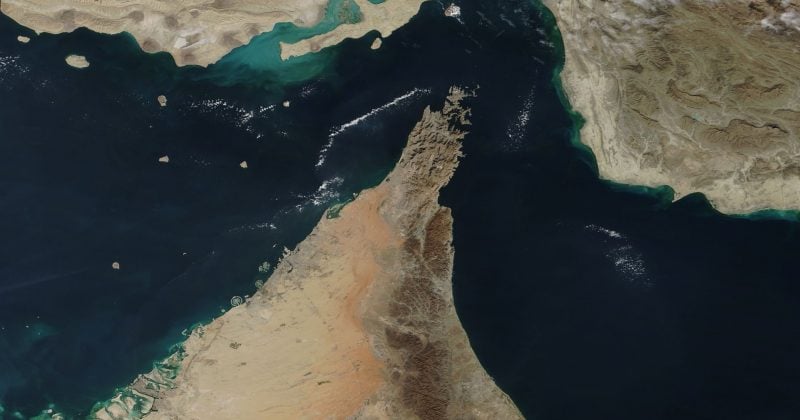
The MOU is designed to extend a ceasefire and potentially resume operations in the critical Strait of Hormuz, while laying the groundwork for 60 days of dedicated discussions on nuclear policy and sanctions relief. No official terms have been released yet, but prediction markets are pricing the signing at an 85% probability.
The crypto angle is bigger than you think
On June 2, 2026, the US Treasury sanctioned Nobitex, Iran’s largest digital asset exchange. The platform handles over 50% of Iran’s digital asset transaction volume.
That action was part of a broader campaign the US has called “Operation Economic Fury,” targeting networks that circumvent sanctions. US agencies have reported seizing approximately $1 billion in Iranian-linked digital assets, with specific figures ranging from $344 million to $500 million depending on the tranche.
Iran has, under certain conditions, required crypto payments for Strait of Hormuz traffic.
What the MOU actually covers
The memorandum is structured as a framework rather than a final agreement. It acknowledges unresolved issues related to Iranian management of the Strait of Hormuz, a waterway through which roughly a fifth of the world’s oil supply passes daily.
The ceasefire extension component addresses immediate security concerns. The 60-day negotiation window for nuclear policy and sanctions relief is where the real action will happen.
What this means for crypto investors
The Nobitex sanctions and the billion-dollar asset seizures represent a clear escalation in the US government’s willingness to use crypto-specific enforcement tools against nation-state actors. If the Treasury can effectively shut down an exchange handling more than half a country’s digital asset volume, no platform operating in gray areas should feel comfortable.
The seized assets, primarily Bitcoin and Tether, also represent meaningful supply that could eventually re-enter markets through government auctions or dispositions. The US has a track record of selling seized crypto, and $1 billion in potential sell pressure is worth tracking.
If sanctions relief materializes, Tehran’s access to traditional banking channels could reduce the incentive to route energy payments through Tether or Bitcoin, removing a source of organic, non-speculative demand from the market.
For traders, the key variable to watch is the 60-day negotiation window that follows the signing. Any concrete language around sanctions relief for Iranian financial institutions, or conversely, additional designations targeting crypto infrastructure, will move markets far more than the MOU itself.
Disclosure: This article was edited by Editorial Team. For more information on how we create and review content, see our Editorial Policy.




 English (US) ·