
 16 hours ago
20
16 hours ago
20
The crypto market just got a brutal reminder that bombs overseas can crater portfolios at home. Senator Tom Cotton, chair of the Senate Intelligence Committee, called on July 9 for the US to resume sustained airstrikes against Iran, days after American forces hit over 80 Iranian targets in retaliation for attacks on commercial shipping vessels. The escalation has already cost the crypto market roughly $80 billion in total capitalization, with Bitcoin and Ethereum taking the hardest hits.
What’s happening on the ground
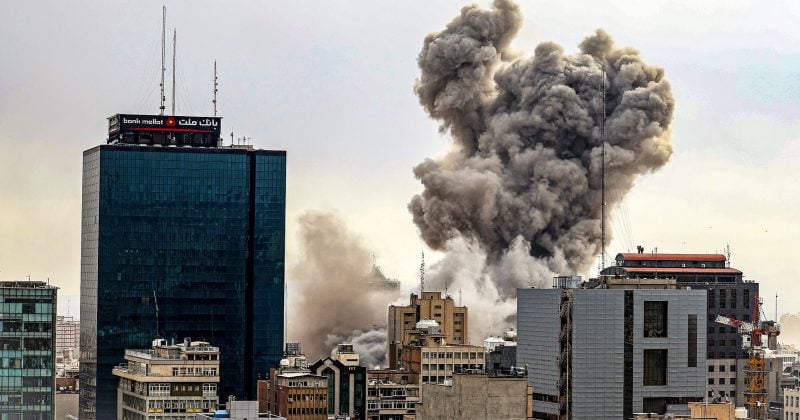
The US struck more than 80 strategic Iranian military targets on July 7, responding to Iranian missile and drone assaults on commercial vessels in key shipping lanes. Cotton, a Republican from Arkansas with a long track record of hawkish Iran policy, wasted no time arguing the response wasn’t enough.
As of mid-July, 19 US service members and one contractor have been killed during the conflict with Iran. Six of those soldiers died in a single drone strike on a base in Kuwait on March 1.
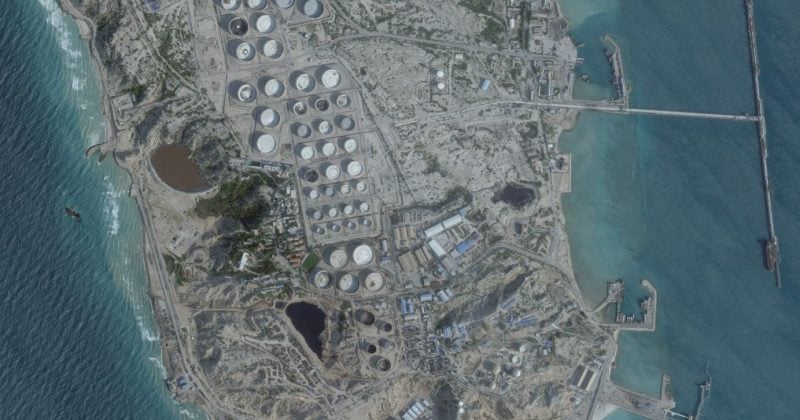
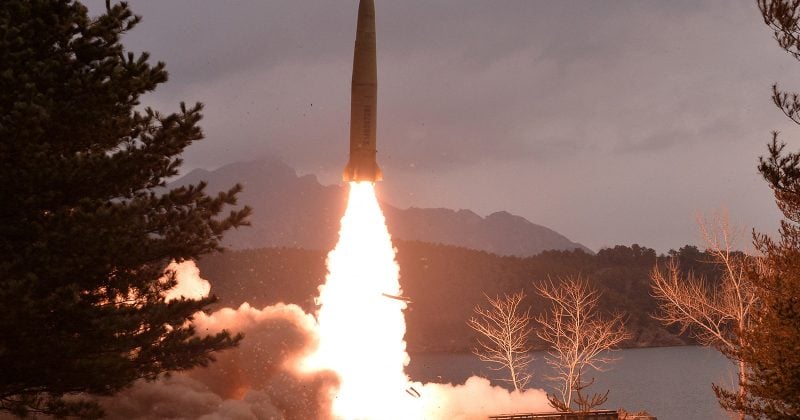
The broader conflict has already moved well beyond tit-for-tat. Previous US strikes targeted Iranian nuclear facilities and military positions, and Iranian drone strikes on American bases in the region have continued despite the retaliatory actions.
Why crypto is bleeding
The approximately $80 billion drawdown in crypto market capitalization following this escalation tells a clear story. Bitcoin and Ethereum bore the brunt of the selling as traders processed the implications of a potential sustained US military campaign against Iran.
The sanctions angle matters too
Cotton’s advocacy extends beyond bombs. His push for stringent sanctions against entities that support Iranian interests could have direct implications for the crypto ecosystem. Previous rounds of Iran-related sanctions have targeted crypto wallets and exchanges suspected of facilitating sanctions evasion. Treasury’s Office of Foreign Assets Control has shown it’s perfectly willing to blacklist blockchain addresses, and a hotter conflict gives it more political cover to do so aggressively.
What investors should watch
Oil prices are the canary in this coal mine. Iranian attacks on commercial shipping lanes directly threaten energy supply chains, and rising oil prices tend to strengthen the dollar while weakening risk assets, including crypto.
The 19 US service members killed so far have generated significant political pressure for both escalation and withdrawal. One underappreciated risk: if this conflict drags on and expands, it could delay or derail crypto-friendly legislation currently moving through Congress, including bills related to stablecoin regulation, market structure reform, and digital asset taxation.
Disclosure: This article was edited by Editorial Team. For more information on how we create and review content, see our Editorial Policy.





 English (US) ·