
 1 hour ago
26
1 hour ago
26
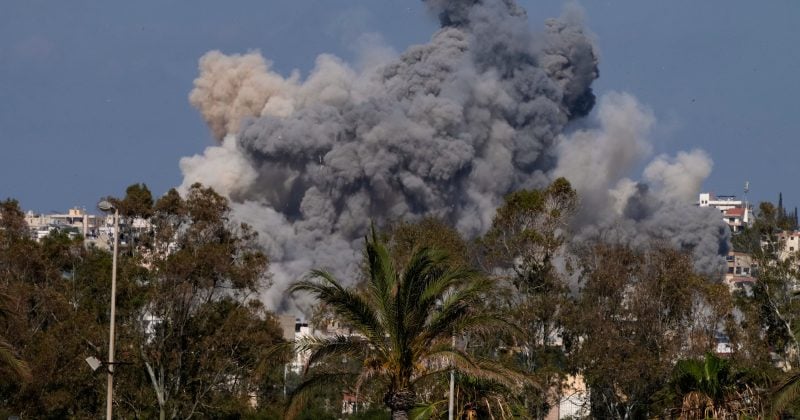
The US military launched cruise missile strikes against two railway bridges in northern Iran on April 7, hitting infrastructure near Kashan and Qom in what appears to be a coordinated effort with Israeli forces to disrupt logistics tied to Iran’s Islamic Revolutionary Guard Corps.
Two people were killed and three injured in Kashan, according to Iranian reports. The targets, including the Yahya Abad bridge, were selected to sever transport links used for weapon movement. Iran claims it repaired damage to at least six railway sites within 96 hours, resuming normal train service shortly after.
For crypto markets, the strikes landed like a match near dry kindling. Bitcoin and major tokens exhibited risk-off behavior, with price dips followed by recoveries associated with the heightened military actions.
The playbook crypto traders already know
This is not the first time Iran-related military escalation has sent shockwaves through digital asset markets in 2026. An earlier phase of heightened tensions between February and July triggered a $128 billion reduction in total crypto market capitalization.
What followed the initial dips during earlier Iran escalations was equally predictable: recoveries. Prices bounced back once the immediate threat appeared contained.
Why railway bridges matter more than you think
The strategic logic behind targeting railway infrastructure is disruption of IRGC supply chains. The bridges near Kashan and Qom sit along corridors that connect northern Iran to its central military-industrial heartland.
Iran’s claim that repairs took just 96 hours tells its own story. Either the damage was relatively contained, or Tehran is projecting resilience regardless of reality.
What this means for crypto investors
No specific crypto tokens or projects were directly implicated in these strikes. This is a pure macro-geopolitical shock, the kind that moves all risk assets simultaneously.
The $128 billion wipeout from the earlier Iran escalation phase provides the clearest benchmark for what is at stake. That decline was temporary, but temporary is cold comfort if you are leveraged or operating with tight stop-losses.
Traders should also monitor stablecoin flows. During previous geopolitical selloffs in 2026, large movements into USDT and USDC preceded broader market declines by hours. On-chain data can serve as an early warning system that traditional markets simply cannot match.
Disclosure: This article was edited by Editorial Team. For more information on how we create and review content, see our Editorial Policy.





 English (US) ·