
 1 hour ago
11
1 hour ago
11
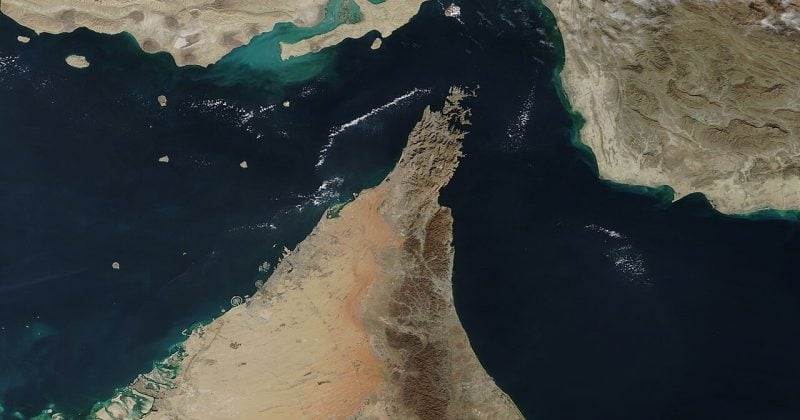
Recent talks between Iran and Oman regarding the management of the Strait of Hormuz have failed to yield an agreement, according to Iran’s foreign ministry. The discussions, held in Muscat, were reportedly derailed by U.S. pressure on Oman, which resisted forming a bilateral management framework for the strategic waterway. The Strait of Hormuz is pivotal for global oil transit, and its management has become a contentious issue amid ongoing tensions and conflict involving the U.S., Israel, and Iran. The U.S. has expressed strong opposition to any arrangement that deviates from international norms, specifically the United Nations Convention on the Law of the Sea (UNCLOS).
Key Takeaways
- Market activity suggests decreased likelihood of a U.S.-Iran diplomatic meeting by July 31, 2026, as U.S. pressure reportedly obstructed an agreement in Muscat.
- The odds for a diplomatic meeting by July 31 have fallen from 44% to 26% in the past 24 hours, reflecting increased skepticism about near-term diplomatic progress.
- The failure of talks in Oman appears consistent with scenarios that may hinder rapid resolution of the ongoing conflict over the Strait of Hormuz.
What to Watch
Observers will focus on any shifts in U.S. or Iranian diplomatic stance in the coming weeks. A potential catalyst for renewed dialogue could be an official announcement of new negotiations or a significant diplomatic intervention by third-party mediators such as Pakistan or Qatar. Conversely, further escalation or military actions, particularly involving Israel or direct U.S. intervention, could further diminish the prospects for talks. Markets will likely react to any developments that suggest a breakthrough or further deadlock in resolving the situation.
Get live prediction-market analysis, powered by Vera. Sign up for Vera.
Disclosure: This article was edited by Estefano Gomez. For more information on how we create and review content, see our Editorial Policy.






 English (US) ·