
 1 hour ago
24
1 hour ago
24
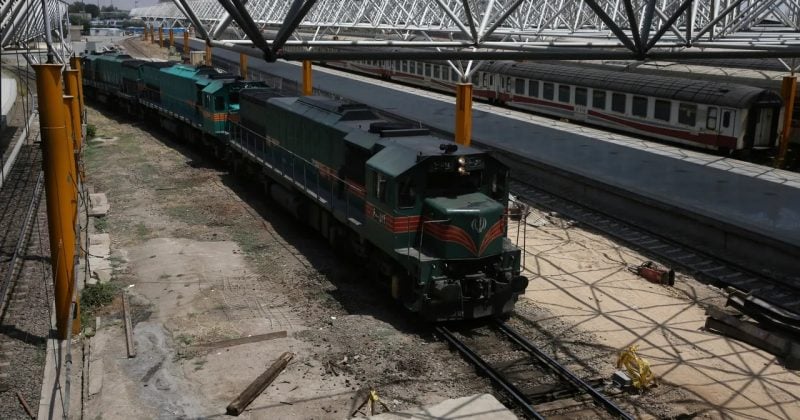
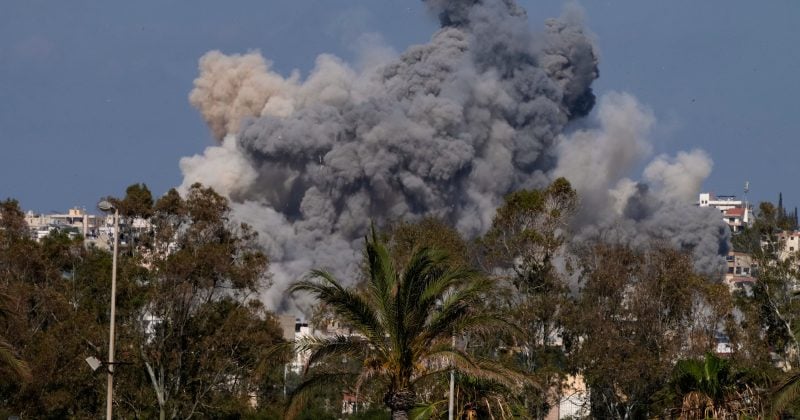
Reports of US artillery shells striking a railway bridge in Iran’s Golestan province mark the latest escalation in a military campaign that has targeted Iranian infrastructure across multiple provinces.
The strikes are part of a broader pattern of US-Israeli military operations that intensified around April 7, with attacks hitting critical transport infrastructure designed to disrupt Iranian logistics. The Yahyaabad railway bridge near Kashan sustained significant damage, and strikes were reported across Isfahan, Qom, Karaj, and the Tabriz-Zanjan corridor. Two deaths and three injuries followed one of the incidents.
What’s actually happening on the ground
Israeli officials have framed these operations as targeted efforts to impede Iranian Revolutionary Guard Corps missile launcher movements.
The Golestan province strike adds a new geographic dimension. Previous reporting concentrated on central Iranian provinces. Golestan sits in the country’s northeast, bordering Turkmenistan. If confirmed, strikes reaching that far north suggest a broader campaign than initially understood.
The macro-to-crypto transmission mechanism
Iran has historically used cryptocurrency channels to circumvent financial restrictions. Iranian entities have engaged in crypto exchanges as a workaround for being cut off from the global banking system. A military escalation could prompt tighter enforcement of sanctions compliance at major exchanges, particularly those with exposure to jurisdictions that still facilitate Iranian transactions.
What crypto investors should actually watch
First, monitor oil prices. If strikes expand to energy infrastructure or provoke Iranian retaliation that threatens Gulf shipping lanes, expect the macro environment to shift fast.
Second, watch the dollar. A stronger dollar has historically been a headwind for Bitcoin.
Third, keep an eye on regulatory responses. Escalating conflict with Iran almost always brings louder calls for sanctions enforcement. Exchanges operating in gray-zone jurisdictions could face increased scrutiny. OFAC designations could expand.
Disclosure: This article was edited by Editorial Team. For more information on how we create and review content, see our Editorial Policy.






 English (US) ·