
 1 hour ago
9
1 hour ago
9
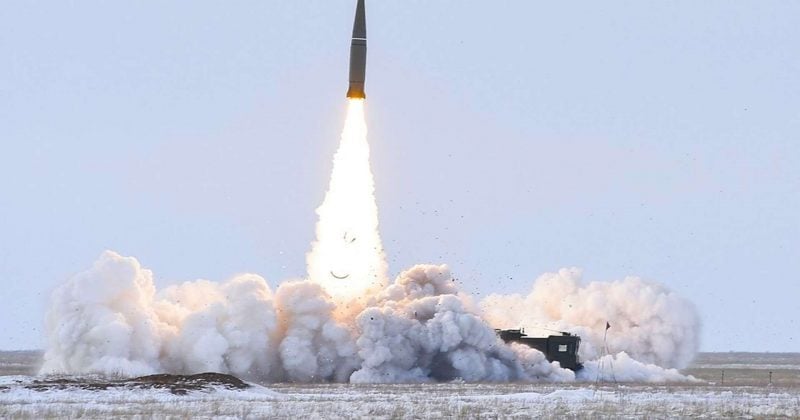
The U.S. military’s reserves of long-range missiles and THAAD interceptors are reportedly nearing depletion due to prolonged airstrikes against Iran over the past five months. This development comes amid ongoing hostilities in the 2026 U.S.–Iran conflict, characterized by intense exchanges involving missile and drone attacks from both sides. The depletion of these critical military assets could impact U.S. offensive and defensive capabilities significantly. Analysts suggest that the strain on missile defense systems like THAAD underscores broader concerns about the U.S.’s readiness to sustain its current level of military engagement without prompt replenishment.
Key Takeaways
- Reports of near exhaustion of U.S. missile supplies appear to suggest increased vulnerabilities in ongoing military operations against Iran.
- Market behavior suggests that this development may increase the likelihood of Iran considering a full airspace closure as a defensive tactic.
- The market for an Iranian full airspace closure by August 31 shows decreased odds, but the recent reports could influence future pricing.
What to Watch
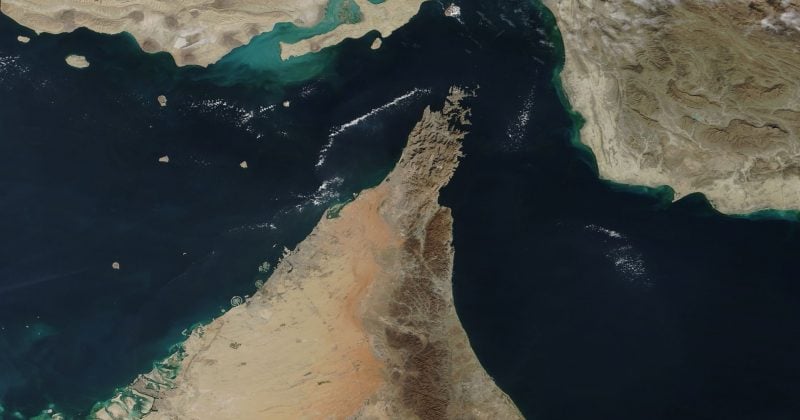
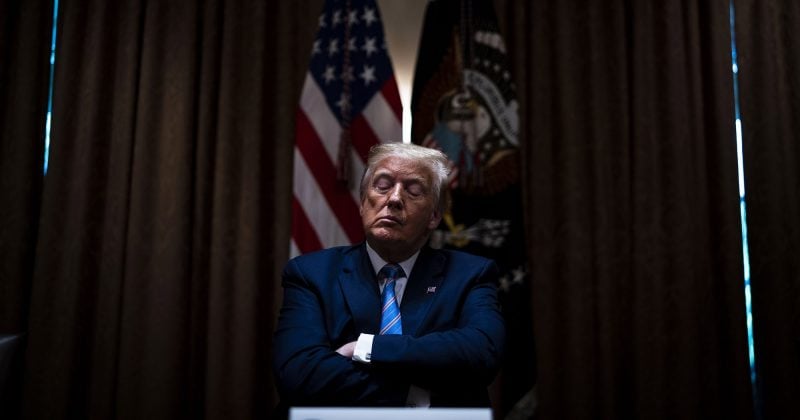
Observers should monitor announcements from the Civil Aviation Organization of Iran and Iranian State Television, which could indicate an airspace closure. Additionally, any statements from U.S. officials, including President Trump, regarding military strategy or de-escalation efforts will be critical in assessing future market movements. Developments in U.S. military replenishment strategies and Iran’s defensive postures will further shape market expectations regarding the potential for an airspace closure.
Get live prediction-market analysis, powered by Vera. Sign up for Vera.
Disclosure: This article was edited by Estefano Gomez. For more information on how we create and review content, see our Editorial Policy.






 English (US) ·