
 1 hour ago
10
1 hour ago
10
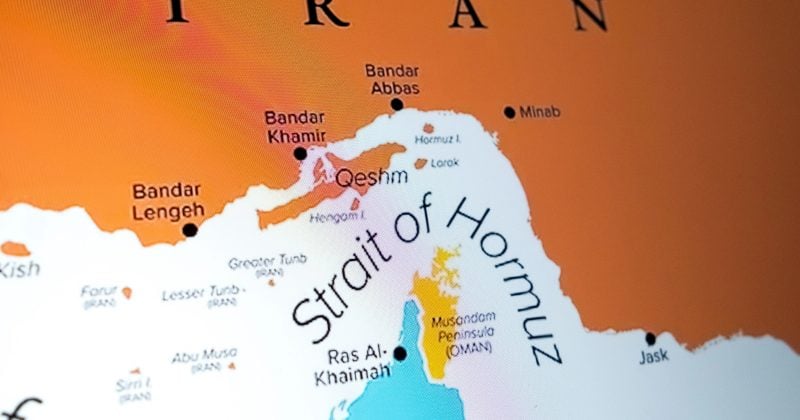
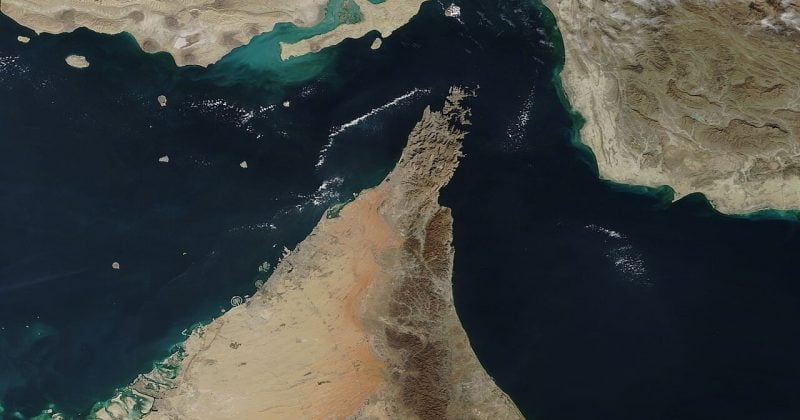
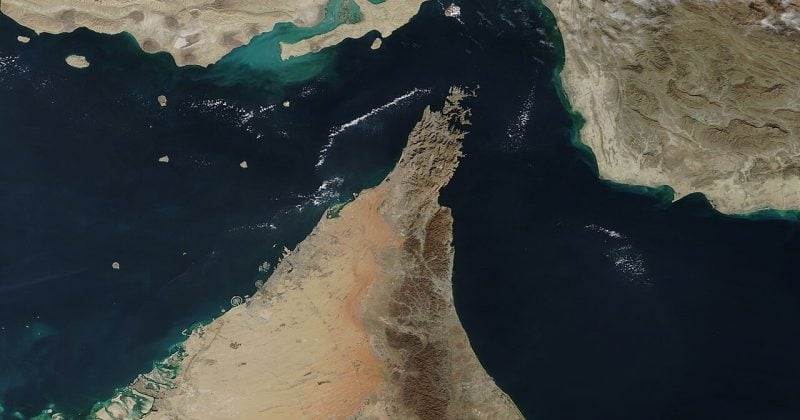
The United States will assume control over the Strait of Hormuz following recent strikes involving Iran, President Donald Trump announced. This development marks a significant escalation in the conflict that has seen a breakdown of an interim ceasefire. The conflict, ongoing since February 2026, intensified when Iran allegedly attacked commercial ships, prompting U.S. forces to resume offensive operations. Trump’s statement suggests a shift in U.S. strategy from defensive escort missions to active naval dominance, with the goal of securing the vital waterway and restoring global energy flows. The current standstill in the strait has stranded approximately 6,000 seafarers, with the threat level elevated to “substantial.”
Key Takeaways
- Market pricing suggests a decreased probability of normalizing Strait of Hormuz traffic by August 31, with odds currently at 15.5% for a YES outcome.
- Trump’s comments on U.S. control appear to indicate increased military presence and potential further escalation, reducing the likelihood of traffic normalization.
- The ongoing conflict and strategic moves by the U.S. are consistent with scenarios where the strait remains closed to commercial traffic.
What to Watch
Observers will monitor any official announcements from Iran’s presidency or U.S.-Iran joint communications for signs of a peace agreement or framework for reopening the strait. Developments in military activity or diplomatic engagements could shift market perceptions. Additionally, updates on the status of vessel movement through live tracking services will be crucial indicators of any changes in the current blockade situation.
Get live prediction-market analysis, powered by Vera. Sign up for Vera.
Disclosure: This article was edited by Estefano Gomez. For more information on how we create and review content, see our Editorial Policy.




 English (US) ·