
 58 minutes ago
19
58 minutes ago
19
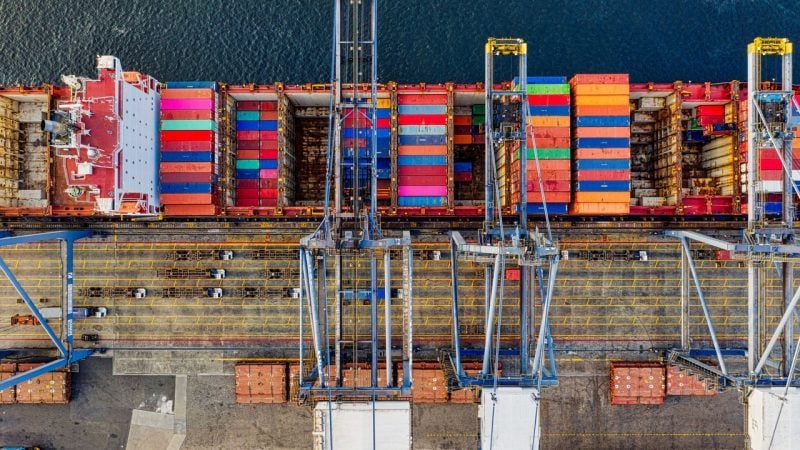
Venezuela is preparing to send aluminum to the United States for the first time in years, with roughly 15,000 metric tons of the metal set to leave the country as early as September 18. The shipment, produced by state-owned smelter Venalum, is the opening act of a broader minerals partnership between commodities trader Mercuria Energy Group and investment firm Heeney Capital.
The deal underpinning this cargo is not small. Offtake agreements signed on May 1 are valued at approximately $2.2 billion annually, covering Venezuelan minerals and gold. And if additional aluminum, nickel, and ferrous product deals clear the necessary approvals, the partners estimate another $3 billion per year in export value could follow.
A smelter running on fumes gets a second look
Venalum was once a crown jewel of Venezuela’s industrial base. The facility has an installed capacity of around 430,000 metric tons per year, and Venezuela’s aluminum production historically exceeded 600,000 tons annually across its operations.
Chronic power shortages, collapsing infrastructure, and years of underinvestment ground production down to roughly 100,000 tons or less in recent years.
Mercuria and Heeney are not the only ones circling the opportunity. Glencore, one of the world’s largest commodity trading houses, has also explored larger arrangements at Venalum.
Washington’s fingerprints on the deal
A US government and industry delegation visited Caracas in spring 2026 to support the initiative, part of a broader effort to engage with Venezuela’s post-Maduro political landscape.
The deal structure relies on authorizations from the Office of Foreign Assets Control, the Treasury Department arm that administers US sanctions. Those OFAC approvals effectively function as the regulatory green light that makes legal trade possible between the two countries.
What the numbers mean in context
At 100,000 tons of annual output, the smelter is operating at less than 25% of its nameplate capacity.
The $2.2 billion annual value of the Mercuria-Heeney agreements covers more than just aluminum, extending to gold and other minerals. The potential $3 billion in additional annual exports from expanded aluminum, nickel, and ferrous deals would make Venezuela’s mining sector a significant contributor to global commodity flows once again.
Risks and what to watch
Venalum’s power supply remains a fundamental constraint. The Venezuelan electricity grid, heavily dependent on the Guri hydroelectric dam, has been unreliable for years. Aluminum smelting is extraordinarily energy-intensive, and no amount of commercial enthusiasm fixes a grid that cannot deliver consistent megawatts.
OFAC authorizations can be modified or revoked, and the regulatory framework that enables this trade today could shift with changes in US policy priorities or Venezuelan domestic politics.
For commodity markets, the near-term impact of a single 15,000-ton shipment is negligible. Global aluminum production exceeds 70 million tons annually. But if this cargo arrives successfully and follow-on deals materialize, traders will need to start pricing Venezuelan supply back into their models for the first time in years.
Disclosure: This article was edited by Editorial Team. For more information on how we create and review content, see our Editorial Policy.






 English (US) ·