
 2 weeks ago
32
2 weeks ago
32
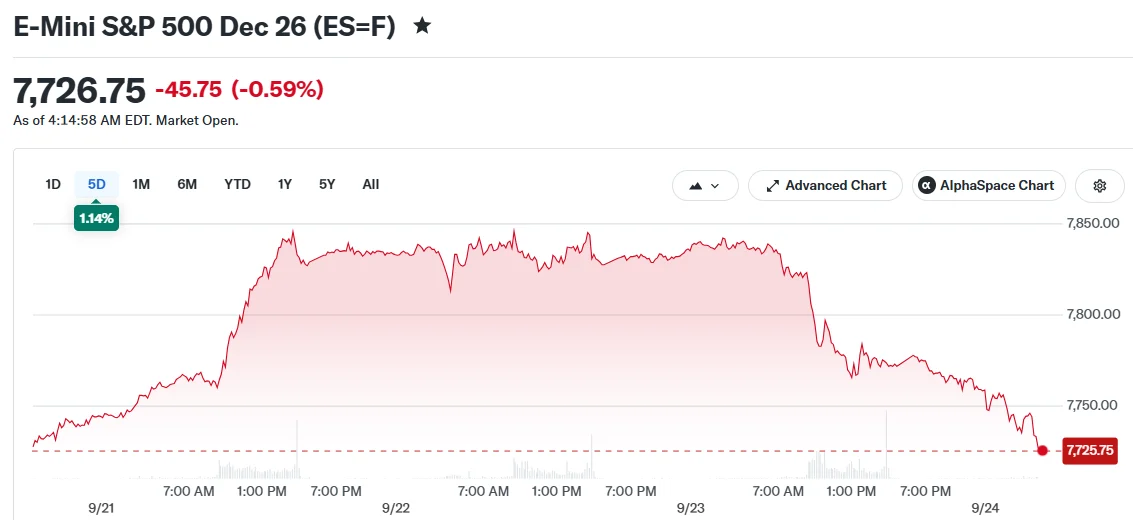
Wall Street experienced a downturn as oil prices maintained levels near $100 per barrel, driven by escalating tensions in the Middle East. The situation has heightened concerns about potential disruptions in oil supply, contributing to volatility in the financial markets. Observers note that geopolitical factors, especially involving major oil-producing regions, often play a significant role in influencing crude oil prices. The current pricing dynamics also indicate a potential shift in market sentiment regarding future oil price trajectories.
Key Takeaways
- Market activity suggests that current geopolitical tensions are consistent with increased uncertainty around oil supply, potentially driving prices higher.
- Pricing in crude oil markets appears to reflect concerns about further disruptions, with recent activity showing a marginal increase in the likelihood of oil reaching new highs by December.
- Observers note a significant term structure discrepancy, suggesting that participants view a catalyst in the coming months as likely.
What to Watch
Market participants will be closely monitoring statements from key figures such as Mohammad Sanusi Barkindo of OPEC and Abdulaziz bin Salman Al Saud, Saudi Minister of Energy, for any indications of policy shifts that could impact supply dynamics. Developments in the Middle East, particularly any escalations or resolutions, could further influence oil price trajectories. The crude oil all-time high prediction markets will likely react to these geopolitical indicators, with emphasis on whether oil prices breach existing highs by the end of December.
Get live prediction-market analysis, powered by Vera. Sign up for Vera.
Disclosure: This article was edited by Estefano Gomez. For more information on how we create and review content, see our Editorial Policy.






 English (US) ·