
 1 hour ago
14
1 hour ago
14
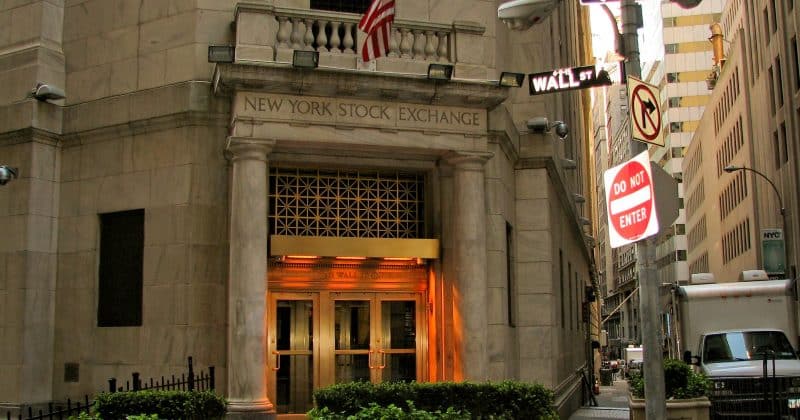
Two equity offerings in June 2026, totaling roughly $160 billion between them, have Wall Street in its most optimistic mood in years. SpaceX’s $75 billion IPO and Alphabet’s approximately $85 billion capital raise aren’t just record-breaking transactions. They’re a signal flare for investment bankers who see a pipeline of mega-deals forming behind them.
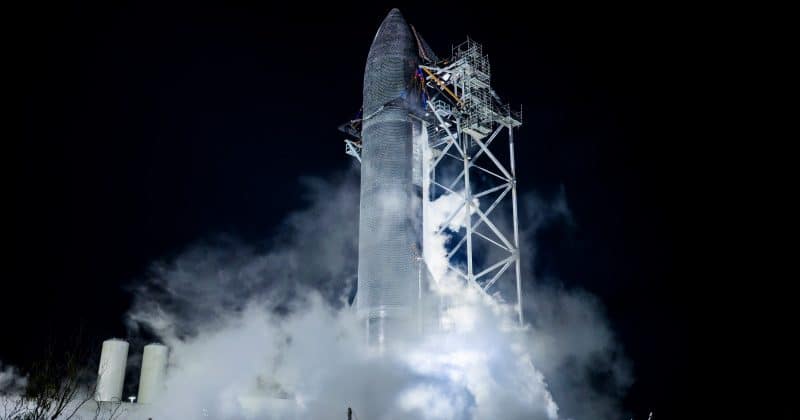
The SpaceX listing, which debuted on June 12-13, is now the largest IPO in history, surpassing Saudi Aramco’s 2019 record. At $135 per share, it valued Elon Musk’s rocket and satellite empire at approximately $1.77 trillion. For context, that’s larger than the entire GDP of Canada.
The deals reshaping deal flow
Goldman Sachs, Morgan Stanley, and JPMorgan all played significant roles in underwriting these transactions. Though SpaceX reportedly negotiated minimal to zero fees on certain aspects of its IPO, a deal this large still generates enormous ancillary business.
Alphabet’s raise tells a different but equally compelling story. The tech giant upsized its equity offering from an initial $80 billion to approximately $85 billion, with the proceeds earmarked for AI infrastructure spending. The company has projected capital expenditures of $180-190 billion for the year.
One particularly notable slice of Alphabet’s raise: a $10 billion private placement to Berkshire Hathaway. BlackRock committed over $5 billion to the SpaceX IPO alone.
SpaceX’s journey to a $1.77 trillion valuation
SpaceX’s private market valuation climbed from $400 billion in mid-2025 to $800 billion by late 2025, more than doubling in roughly six months before the IPO priced it at more than twice that again.
The listing also made Elon Musk the world’s first trillionaire, based on his stake in the company.
Alphabet holds a 4.9-6% stake in SpaceX that traces back to a $900 million investment made in 2015. Post-IPO, that position is worth over $100 billion.
Disclosure: This article was edited by Editorial Team. For more information on how we create and review content, see our Editorial Policy.




 English (US) ·