
 5 months ago
71
5 months ago
71
- XRP Ledger tokenized assets grew from under $80M to about $453M within a year
- XRP ETFs now hold over $1.1B, expanding investor access to the asset
- Cardano’s DeFi ecosystem currently holds around $138M, far below its long-term targets
Investors often group XRP and Cardano together when discussing major altcoins, but the reality is that the two projects are built for very different purposes. Cardano is designed as a carefully engineered blockchain platform meant to support smart contracts and a wide range of decentralized applications. XRP, on the other hand, has always taken a more focused route — building infrastructure aimed at financial institutions like banks, payment providers, and currency exchanges.
That difference matters. It shapes how the networks grow, who uses them, and ultimately… whether demand for their tokens actually increases over time. Over the past three years, only one of the two has managed to deliver meaningful price appreciation, which naturally raises the question investors keep asking: which one looks stronger heading toward 2029?
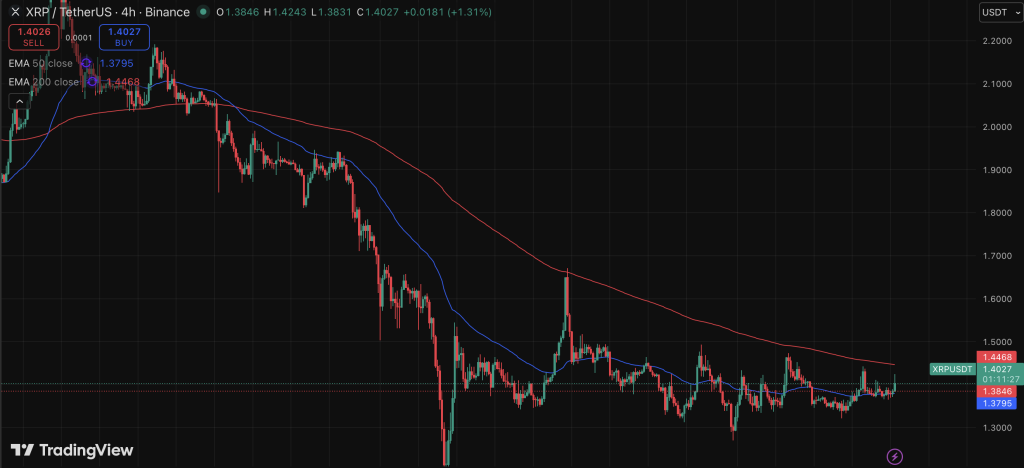
XRP Is Gaining Real Institutional Traction
For XRP to keep growing, its success depends heavily on financial institutions actually using the XRP Ledger (XRPL). The idea is fairly straightforward. If banks, funds, or payment firms move assets onto XRPL, they’ll need XRP to interact with the system — holding it, using it for transactions, and consuming it regularly.
One of the most important areas right now is tokenized assets. These are financial instruments like bonds, funds, or other securities whose ownership is recorded on a blockchain rather than in traditional databases.
XRPL currently holds around $453 million in tokenized assets. That number may not seem huge compared to the broader financial world, but the growth speed is what stands out. Just a year ago, the network held less than $80 million in tokenized assets. Most of the increase happened fairly quickly through late 2025 and early 2026.
Another tailwind comes from XRP exchange-traded funds. These ETFs now hold more than $1.1 billion in capital, giving traditional investors exposure to XRP’s price movements without needing wallets or direct crypto access. It’s a simpler route into the market, and clearly… some investors prefer that.
Cardano Is Built Carefully — Maybe Too Carefully
Cardano takes a very different approach. Instead of targeting financial institutions directly, the network aims to become a broad decentralized platform supporting applications, financial tools, and governance systems.
One of Cardano’s defining characteristics is its development philosophy. The project emphasizes academic research, peer-reviewed code, and formal governance structures before rolling out major upgrades. In theory, this careful process should produce a highly secure and sustainable blockchain.
But there’s a downside to that level of caution. Progress tends to move slowly.
Cardano’s roadmap for 2030 includes ambitious targets — roughly $3 billion locked into decentralized finance applications, more than one million monthly active wallets, and over 324 million annual transactions. The problem is that the network currently sits far below those goals.
Right now Cardano holds about $138 million in DeFi assets, generates around $1,900 in daily fees, and averages just over 17,000 active addresses per day. The gap between current activity and long-term ambitions is… pretty wide.
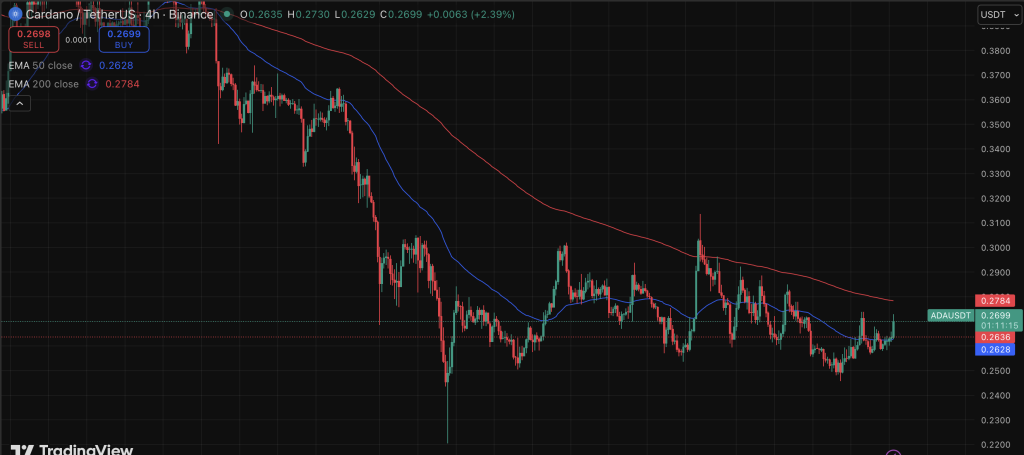
Ecosystem Growth Has Been Slow
Perhaps the bigger concern for Cardano investors is ecosystem momentum. Despite years of development and several major upgrades, the network hasn’t managed to attract large waves of users or capital.
Late last year the project even pushed to introduce more stablecoin liquidity in hopes of stimulating activity. The idea was that stablecoins could help bring DeFi growth and more trading volume to the network.
So far though, the results have been modest at best.
Cardano isn’t failing exactly, but it does feel like a project still waiting for its breakout moment — a moment that, frankly, keeps getting pushed further into the future.
XRP Looks Stronger for the Next Few Years
When comparing the two today, XRP appears to have the clearer path forward over the next several years. The network already has institutional use cases, growing tokenized assets, and ETF demand feeding additional capital into the ecosystem.
Cardano may still succeed long term, particularly if its slow and methodical development approach eventually pays off. But at the moment, the network’s real-world adoption remains limited compared to its ambitions.
For investors looking toward early 2029, XRP currently looks like the stronger bet. It already has traction — and in crypto, traction often matters more than perfect design.
Disclaimer: BlockNews provides independent reporting on crypto, blockchain, and digital finance. All content is for informational purposes only and does not constitute financial advice. Readers should do their own research before making investment decisions. Some articles may use AI tools to assist in drafting, but every piece is reviewed and edited by our editorial team of experienced crypto writers and analysts before publication.


 English (US) ·