
 1 hour ago
12
1 hour ago
12
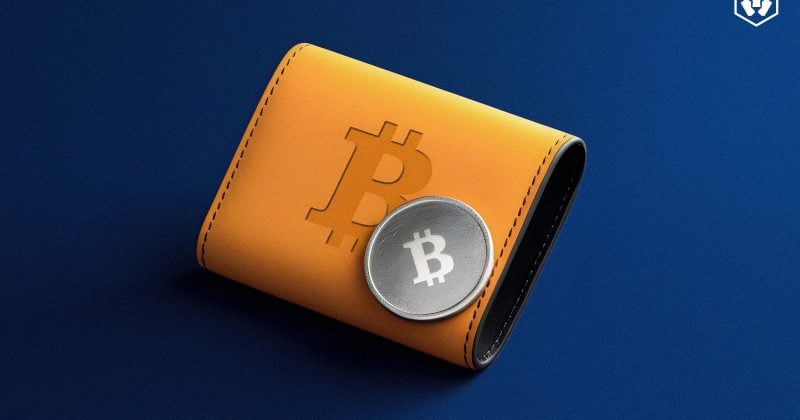
Bitkey, the self-custody Bitcoin wallet built by Jack Dorsey’s Block, Inc., is accelerating development of a coin control feature that lets users label individual UTXOs and manually choose which coins to include in a transaction. The move comes directly in response to persistent user feedback.
For a wallet that launched publicly in December 2023 and started shipping hardware in March 2024, this is a meaningful step.
Why coin control matters more than you think
Here’s the thing about Bitcoin transactions: they don’t work like a bank account with a single balance. Instead, your wallet holds a collection of discrete chunks of Bitcoin called UTXOs, or Unspent Transaction Outputs. Think of them like individual bills in a physical wallet. When you spend Bitcoin, your wallet decides which “bills” to use.
Most wallets handle this automatically. The problem is that automatic selection can accidentally merge coins from different sources, creating a trail that links your transaction history together. For privacy-conscious users, that’s a dealbreaker.
Coin control flips the script. It lets you pick exactly which UTXOs to spend, label them for tracking purposes, and keep different pools of Bitcoin separated. It also has practical fee implications. By manually selecting UTXOs, users can optimize transaction size and avoid overpaying in network fees.
Bitkey’s approach to self-custody
Bitkey uses a 2-of-3 multisig design where the user holds two keys, one on the mobile app and one on the hardware device, while Block holds a third key. Any two of the three keys are needed to authorize a transaction.
Bitkey doesn’t use seed phrases at all, which is a deliberate departure from the standard hardware wallet experience.
Bitkey has already taken preliminary steps toward coin control. The wallet currently offers a UTXO consolidation tool that lets users merge multiple UTXOs into a single one. Community discussions on Reddit and app store reviews have made it clear that consolidation alone isn’t enough. Users want full labeling, manual selection, and the ability to freeze specific UTXOs from being spent. These requests mirror features that have been standard in wallets like Sparrow, Electrum, and Trezor Suite for years.
The competitive landscape
Sparrow Wallet, which is software-only, has offered granular coin control for a long time and has become the go-to for privacy-focused Bitcoiners. Electrum, one of the oldest Bitcoin wallets in existence, has had it even longer. Trezor Suite includes it as part of its standard desktop experience.
Bitkey’s differentiator has never been about having the most features. It’s been about making self-custody approachable for people who would otherwise leave their Bitcoin on an exchange. The no-seed-phrase design, the clean mobile interface, the multisig setup that doesn’t require users to understand what multisig even means: all of it points toward a mainstream audience.
Disclosure: This article was edited by Editorial Team. For more information on how we create and review content, see our Editorial Policy.







 English (US) ·