
 1 hour ago
11
1 hour ago
11
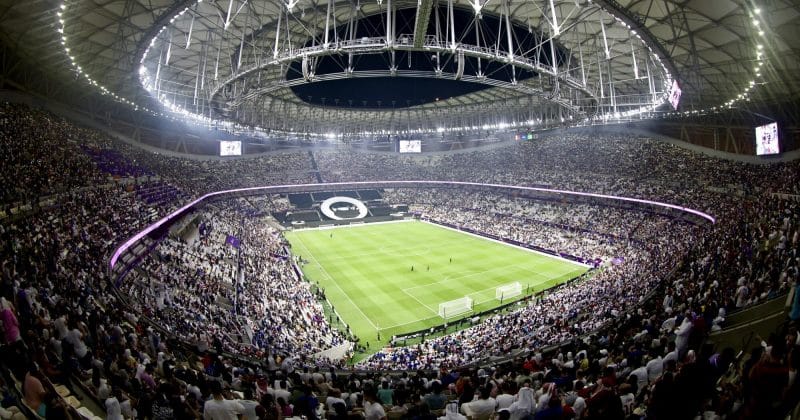
The 2026 FIFA World Cup is turning into a statistician’s dream and a goalkeeper’s nightmare. Across the group stage, matches are averaging between 2.95 and 3.12 goals per 90 minutes, a rate the sport has not seen since the 1958 World Cup in Sweden.
That number matters. At most major tournaments, a 2.5 goals-per-game average is considered lively. Crossing 3.0 consistently is a different category entirely.
Why the goals are flowing
The expanded 48-team format brings 104 total matches to the tournament, up significantly from prior editions. More matches means more opportunities for lopsided scorelines in the group stage, where competitive gaps between nations are wider than in later rounds.
The introduction of structured hydration breaks during matches played in hotter venues across the US and Mexico has also been cited as a factor. Players staying sharper in the second half translates directly to more late goals, which is exactly what the data is showing.
Germany and France have each scored 10 goals in the early rounds, serving as the headline acts in a broader trend that cuts across the field.
Where crypto fits into all of this
Kraken, the digital asset exchange, became the official crypto exchange supporter of the 2026 FIFA World Cup in mid-June, covering North America and Europe.
The more immediate market story is fan tokens. Chiliz, the blockchain infrastructure powering most major football club and national team tokens, has seen its CHZ token rise 28% since the tournament began. The price action tracks almost directly against the performance of teams whose tokens trade on the Chiliz network, including Argentina and Portugal.
In English: if Argentina wins, ARG token holders tend to profit. If Portugal gets knocked out, POR holders feel it. It is a derivative product tied to sporting outcomes, which sounds novel until you realize that is also just how sports betting works, except the position lives in a wallet instead of a bookmaker’s ledger.
That volatility is a feature for traders and a risk for anyone treating fan tokens as a long-term investment.
What the prediction market numbers reveal
Polymarket, the prediction market platform, recorded over $3.3B in trading volume during the group stage alone.
Prediction markets work differently from fan tokens. Rather than holding a speculative asset whose price floats on sentiment, participants take binary positions on specific outcomes: will Brazil advance, will a match end over 2.5 goals, will a particular player score. Positions resolve at zero or one, and the aggregate prices function as a real-time probability gauge.
For investors watching the crypto angle of the tournament, the convergence is worth tracking carefully. Kraken’s official partnership, Chiliz’s 28% price move, and Polymarket’s volume surge are three separate signals pointing in the same direction: live sports and digital asset markets are becoming structurally linked, not just loosely associated through sponsorship logos.
Disclosure: This article was edited by Editorial Team. For more information on how we create and review content, see our Editorial Policy.





 English (US) ·