
 1 month ago
48
1 month ago
48
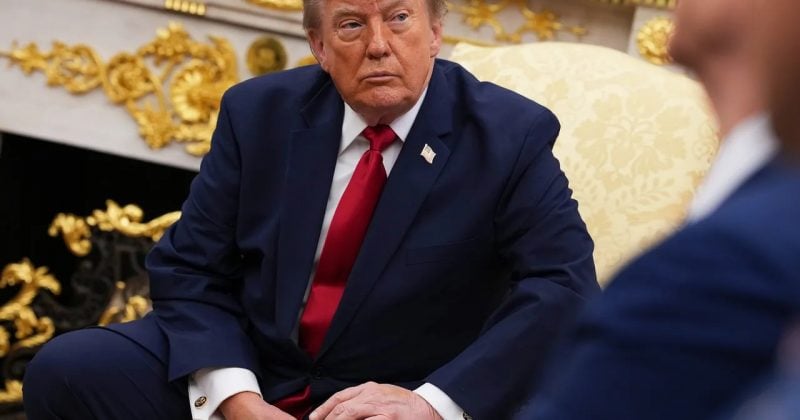
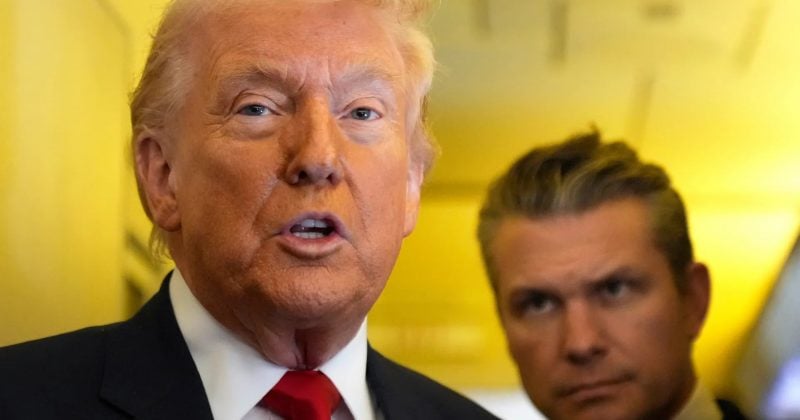
The ceasefire between the US and Iran, originally a two-week arrangement that took effect on April 8, has been extended indefinitely. President Donald Trump announced the extension on April 21 at the request of Pakistani Prime Minister Shehbaz Sharif, who brokered the initial talks.
How we got here
The 2026 Iran conflict, marked by US naval blockades and Iranian hostilities, has been one of the most destabilizing geopolitical events of the year.
The original two-week ceasefire came together after high-level talks held in Islamabad on April 11-12. Those talks didn’t produce a broader agreement, but they created enough diplomatic momentum for both sides to stop shooting temporarily.
When the two weeks were nearly up, Trump extended the ceasefire indefinitely, calling on Iran to present a “unified proposal” for further negotiations.
Prime Minister Sharif publicly expressed gratitude toward Trump and voiced hopes for a comprehensive peace deal. Pakistan’s role as intermediary here is notable. It shares a border with Iran and has its own complex security calculus in the region, making Islamabad a logical, if somewhat unconventional, mediator.
What the markets are telling us
Global equities saw a short-term relief rally following the indefinite extension announcement. Oil prices declined, which is the predictable response when the threat of supply disruption in a major petroleum corridor eases even slightly.
Bitcoin’s price rose during this window, tracking the broader risk-on sentiment rather than any crypto-specific catalyst. No tokens, protocols, or blockchain-native projects have surfaced in connection with the diplomatic discussions.
The declining oil prices deserve particular attention for crypto investors. Lower energy costs reduce mining operational expenses and remove one source of inflationary pressure, both of which tend to support digital asset valuations on the margin.
The diplomatic picture remains fuzzy
As of late May 2026, no further direct talks between the US and Iran have been scheduled following the ceasefire extension. An indefinite ceasefire without a follow-up negotiation calendar is essentially a pause button, not a resolution.
Trump’s demand for a “unified proposal” from Iran introduces its own uncertainty. Iran’s internal political dynamics, with multiple power centers including the presidency, the IRGC, and the Supreme Leader’s office, make producing a single coherent negotiating position genuinely difficult.
Disclosure: This article was edited by Editorial Team. For more information on how we create and review content, see our Editorial Policy.



 English (US) ·