
 1 hour ago
24
1 hour ago
24
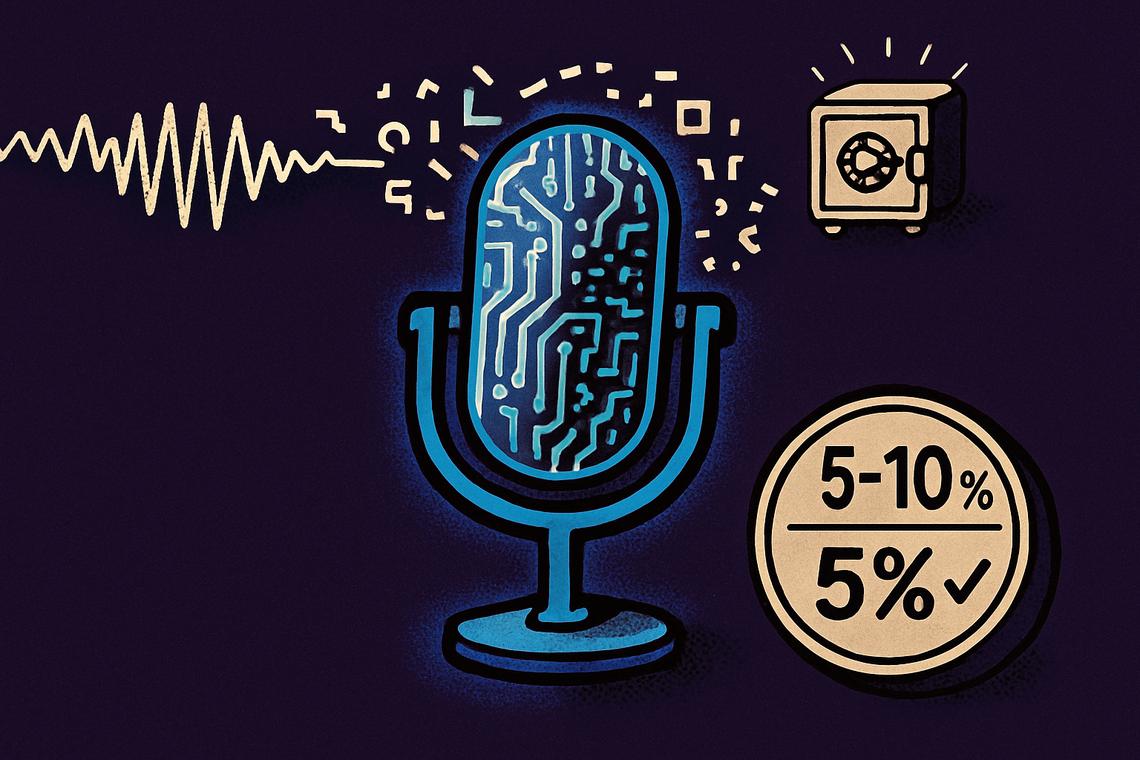
OpenAI is previewing Private Safety Processing, a new system designed to strengthen safeguards for eligible API customers using Zero Data Retention while keeping customer content inaccessible to OpenAI personnel.
Under Zero Data Retention, OpenAI does not retain eligible customers’ prompts or model responses after a request is processed. Enterprise customer data is also not used to train OpenAI models unless customers explicitly opt in.
Private Safety Processing expands existing safeguards by allowing automated systems to identify potentially harmful patterns across related interactions rather than evaluating each request in isolation.
For Zero Data Retention deployments, customer content remains on infrastructure controlled by the customer. OpenAI is also developing an option where content can be stored on its infrastructure while encrypted with keys controlled by the customer.
OpenAI personnel would not have access to those encryption keys or the underlying customer content.
When the system identifies potential misuse, OpenAI receives a limited signal describing the category and severity of the activity. The underlying prompts and responses are not shared with OpenAI personnel, including when content is flagged.
OpenAI said the system is intended to address risks that may only become apparent across multiple interactions, including repeated attempts to bypass safeguards, coordinated misuse across accounts and agentic systems continuing to act beyond a user’s intended authority.
Customers will retain access to information in their own systems and can choose to share relevant content with OpenAI when appealing a decision or investigating verified abuse.
Private Safety Processing is currently being tested with early customers. OpenAI plans to begin rolling it out in September and publish a technical white paper detailing the system.
Disclosure: This article was edited by Editorial Team. For more information on how we create and review content, see our Editorial Policy.




 English (US) ·