BTC $81,741
  ETH $2,396
  USDT $0.9993
  BNB $729.25
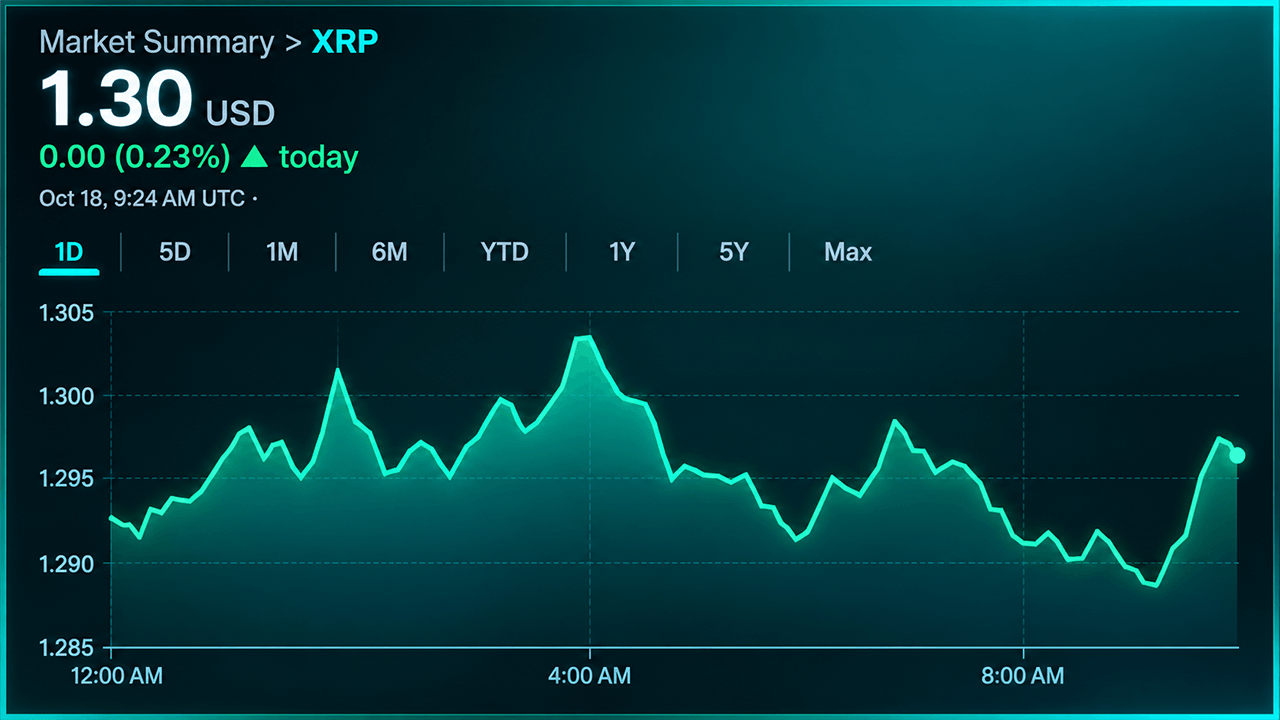
  XRP $1.30
  USDC $1.0000
  SOL $104.59
  TRX $0.3320
  FIGR_HELOC $1.02
 ZEC $1,137
 SEC clarifies staking tokens, buybacks under Howey test
The SEC staff issued new FAQs on how staking receipts, token buybacks, and network marketing may avoid securities rules.
Key takeaways
- The SEC's Division of Corporation Finance released FAQs on September 25 clarifying when staking receipt tokens, token buybacks, and network marketing activities do not trigger securities regulation.
- The guidance addresses how these activities fit within the Howey test for investment contracts, focusing on functional networks and issuer custody practices.
What happened
The SEC's Division of Corporation Finance published fresh guidance on how to treat staking tokens, buybacks, and network marketing under federal securities law. The staff issued the FAQs on September 25 to clarify how these activities fit within the agency's March interpretation of the securities framework.
For staking receipt tokens, the SEC said a receipt tied to a digital commodity can qualify as a digital tool if it preserves the holder's ownership rights in the underlying asset. A receipt issued by a protocol-based liquid staking provider may instead qualify as a digital commodity when its value is linked to how the underlying network operates and market supply and demand dynamics.
The issuer of a staking receipt faces strict limits: it cannot transfer, lend, pledge, or otherwise use the deposited asset and cannot make it subject to claims by its creditors. These restrictions are meant to ensure the token functions as proof of ownership rather than as evidence of a financial investment.
On token buybacks, the SEC said announcing a buyback for a non-security token on a functional network generally does not count as a promise of essential managerial efforts. However, if the network is not yet functional and the issuer markets the buyback as a way to generate returns for holders, the analysis changes.
The guidance also addresses network marketing. Simply promoting a network's existing features or capabilities generally does not establish an investment contract, and aspirational statements about future features may fall outside that threshold unless they explicitly promote profit expectations.
Why it matters
The FAQs represent a refinement of how the SEC applies the Howey test to crypto activities, but they are staff views that create no new legal obligations. After a crypto system becomes functional, the SEC said work to secure, maintain, or improve it does not necessarily count as essential managerial work, including software upgrades, funding development projects, and efforts to help network use grow.
These answers arrived after the CLARITY Act failed in the US Senate on September 15, leaving crypto regulation to existing agencies. The guidance provides structure for how issuers and service providers can structure tokens and marketing without triggering securities law, though the SEC emphasized the guidance is fact-specific and not a blanket approval.
Questions readers ask
When is a staking receipt token not a security?
A staking receipt tied to a digital commodity qualifies as a digital tool if it serves as proof of ownership of the underlying asset without changing the holder's rights or benefits. The issuer cannot transfer, lend, pledge, or otherwise use the deposited asset.
Can a blockchain project buy back its own tokens without creating securities?
Announcing a buyback of a non-security token for a functional network generally does not promise essential managerial efforts. The analysis changes if the network is not yet functional and the buyback is marketed as a source of returns.
Does promoting a blockchain network create an investment contract?
Simply promoting a network's existing utility or capabilities generally does not establish an investment contract. Aspirational statements about future features may fall outside the Howey test unless they explicitly promote profit expectations.
Are these SEC answers legally binding?
No. The FAQs represent staff views that create no new legal obligations and are fact-specific guidance, not unconditional safe harbors.