
 1 month ago
50
1 month ago
50
The Trump administration has drafted an executive order that would create a voluntary framework for AI companies to share their most advanced models with federal agencies before public release.
Under the draft, companies developing frontier AI models would be expected to notify government agencies, including the Office of the National Cyber Director and the Cybersecurity and Infrastructure Security Agency (CISA), up to 90 days before making those models publicly available. Major AI laboratories, including OpenAI and Anthropic, have already been briefed on the proposed process.
What the order actually does
The executive order is framed around cybersecurity rather than broad AI regulation. The key agencies named in the draft are the Office of the National Cyber Director, CISA, and the Office of Science and Technology Policy. Together, they would serve as the receiving end of any voluntary disclosures from AI developers.
The 90-day pre-release notification window would give federal cybersecurity teams time to evaluate potential risks before frontier models become widely accessible.
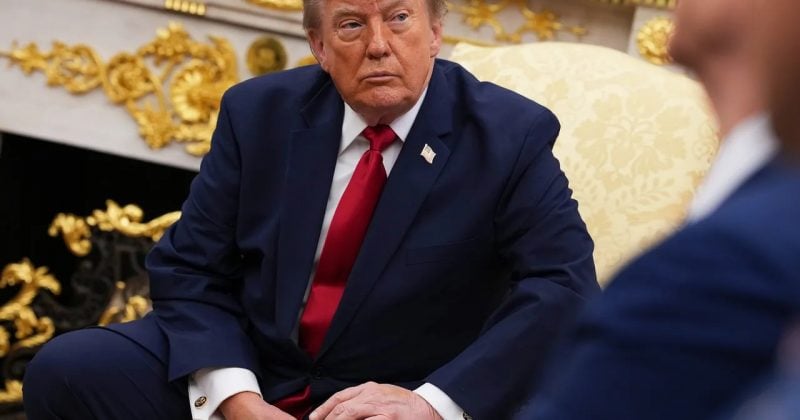
The signing ceremony for the order was originally scheduled for May 21, 2026. President Trump postponed it, reportedly citing concerns that the initiative could hamper US competitiveness against China in the AI race.
No crypto, no blockchain, no digital assets
The current draft contains zero references to digital assets, blockchain technology, or cryptocurrencies. The administration addressed digital assets policy in a separate set of executive actions back in January 2025. The AI order occupies a distinct lane, focused squarely on national security and cybersecurity implications of advanced machine learning systems.
What this means for investors
Trump’s stated concern about competitiveness against China suggests the final version of the order could be softer than the current draft, or it could be shelved entirely.
The briefings with OpenAI and Anthropic also reveal something about who has a seat at the table. The largest, best-funded AI labs are the ones being consulted. Smaller developers and open-source AI projects weren’t mentioned in the discussions.
Investors should watch for three things: whether the order actually gets signed, whether any major AI company publicly commits to the voluntary process, and whether the 90-day window survives contact with an industry that measures product cycles in weeks, not months.
Disclosure: This article was edited by Editorial Team. For more information on how we create and review content, see our Editorial Policy.


 English (US) ·