
 2 months ago
69
2 months ago
69
TLDR
- Washington’s Central Command executed fresh military strikes on Iran, hitting more than 300 military installations over a 72-hour period
- Tehran announced the closure of the Strait of Hormuz “indefinitely,” though President Trump insists shipping lanes remain accessible
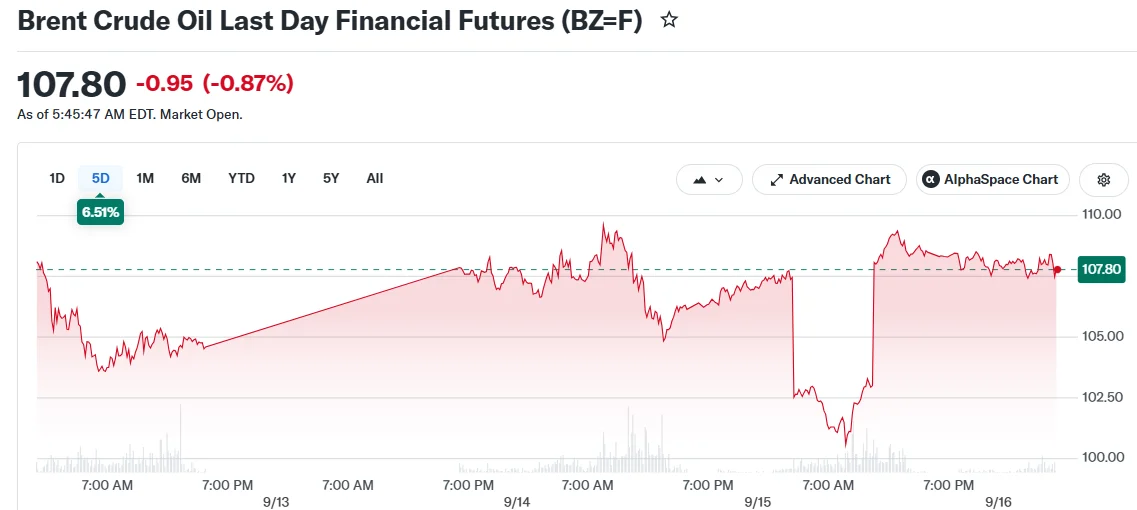
- Crude prices surged more than 3% on Monday amid fears of supply chain disruptions
- The United Arab Emirates shot down incoming Iranian missiles and drones; alarm systems activated in Bahrain and Doha
- While diplomatic channels remain active in Oman, the outlook for comprehensive peace talks remains uncertain
The U.S. Central Command announced the completion of another round of military strikes targeting Iran on Sunday night. These operations focused on diminishing Tehran’s capacity to threaten commercial vessels navigating through the Strait of Hormuz.
Across a 72-hour window, American forces engaged more than 300 Iranian military installations. The most recent offensive targeted numerous positions spread throughout Iranian territory.
The military campaign intensified following Iran’s assault on the Cyprus-registered container vessel M/V GFS Galaxy. Washington responded by striking approximately 140 targets in a single day on Saturday.
Defense Secretary Pete Hegseth declared on X: “Iran made a poor choice. Now they pay.”
Tehran launched counterstrikes against American and coalition military bases throughout the Persian Gulf region. Abu Dhabi confirmed successful interception of Iranian missiles and unmanned aircraft. Alarm systems were triggered in Bahrain, while explosions echoed through Doha.
The Islamic Revolutionary Guard Corps of Iran claimed responsibility for disabling another ship within the Strait of Hormuz.
Oil and Markets React
Oil prices rose by over 3% on Monday morning. Market participants are growing increasingly worried about potential supply interruptions through one of the planet’s most critical maritime corridors.
Approximately 20% of global oil shipments transit through the Strait of Hormuz. A prolonged closure could trigger worldwide increases in fuel costs.
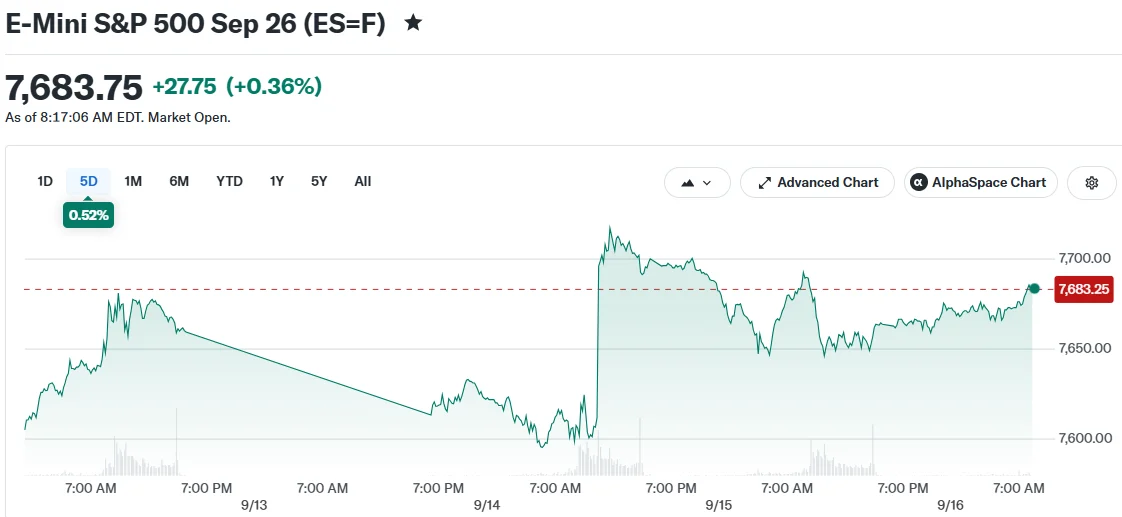
Equity futures declined following reports of the latest strikes. American financial markets are monitoring Gulf developments with heightened attention.
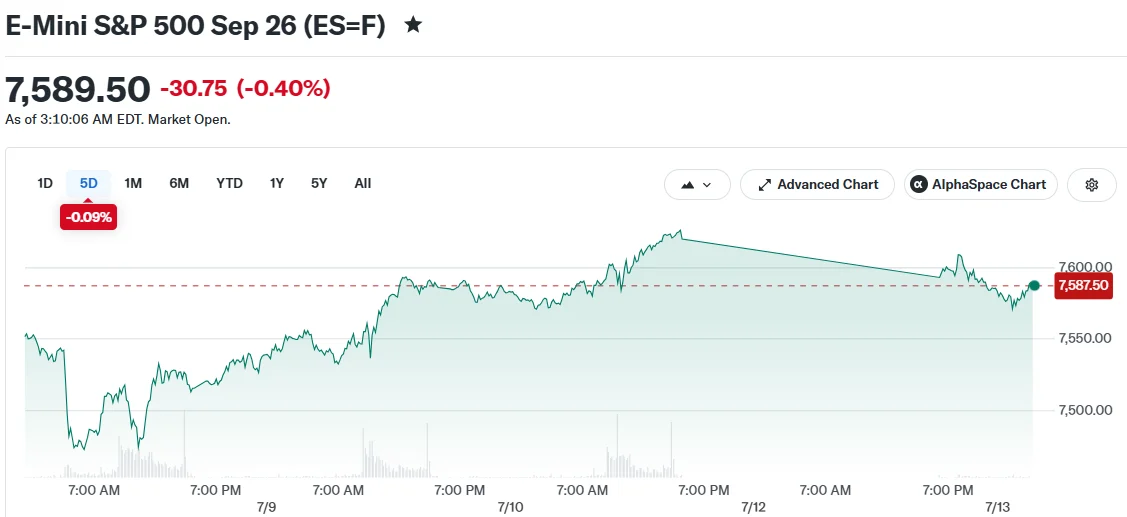 E-Mini S&P 500 Sep 26 (ES=F)
Escalating energy costs are emerging as a political challenge for President Trump with November’s congressional elections approaching.
Marine Traffic tracking systems indicated minimal vessel movement through Hormuz currently.
Diplomacy and Tensions
Iran announced an indefinite closure of the Strait, declaring it would remain impassable until Washington ceased its regional involvement. The IRGC cautioned that any retaliatory action would trigger a “severe response.”
President Trump asserted on Sunday that Hormuz continues to operate for commercial traffic, directly challenging Iran’s declaration.
Meanwhile, Iran’s Foreign Minister conducted discussions with his Omani counterpart in Muscat. Muscat indicated that negotiations would proceed across both political and technical channels.
Tehran maintains that future arrangements governing Hormuz should be determined exclusively by the two nations that border the waterway.
Iran’s newly appointed Supreme Leader Ayatollah Mojtaba Khamenei pledged to avenge his father’s killing. Trump cautioned that American armed forces stood ready to deliver a “massive response” should Iran attempt to assassinate him.
Iran has accused Washington of breaching a recent ceasefire arrangement. The United States maintains it will not restart comprehensive negotiations until Tehran ensures safe transit for commercial shipping.
The post U.S. Launches Fresh Strikes on Iran as Oil Surges and Markets Tumble appeared first on Blockonomi.


 English (US) ·