
 4 hours ago
25
4 hours ago
25
Iran shut the Strait of Hormuz on February 28, 2026. That single decision by the Islamic Revolutionary Guard Corps is now threatening to tip the UK economy into recession.
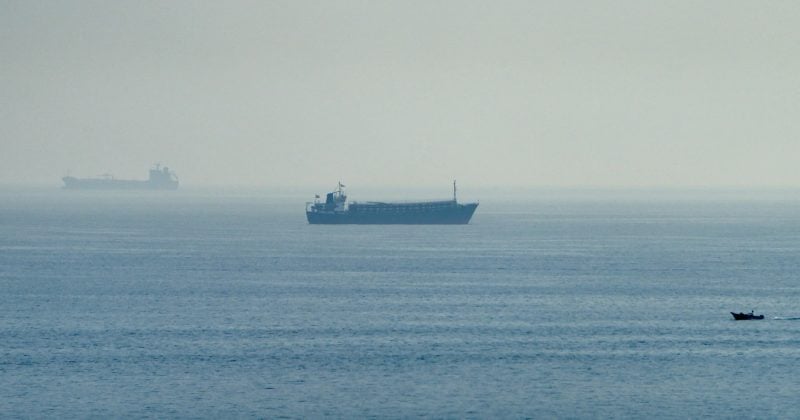
The strait is the world’s most important oil chokepoint, handling roughly 20% of global oil and LNG trade. When it closed, that flow largely stopped. Shipping data through mid-2026 shows transit rates remain severely depressed, with over 90% of normal shipments disrupted.
What the numbers actually say
Brent crude prices have risen 10 to 13% since the closure began. Refined product prices in affected regions are now approaching $195 to $200 per barrel as of July 2026.
EY’s forecast puts UK GDP growth at just 0.3% for 2026 if the strait stays closed through year-end.
Wood Mackenzie and SolAbility have modeled the broader global picture, estimating potential GDP hits of 0.4% or more across regions exposed to the disruption. The UK sits near the top of the vulnerability rankings because of its structural dependence on imported energy.
UK Maritime Trade Operations issued warnings about ongoing risks to shipping in the region as recently as July 2026, signaling that no near-term resolution is in sight.
Why the UK is particularly exposed
Britain imports a significant share of its energy needs. Higher energy costs feed into transport costs, which feed into food prices, which feed into wage demands. The UK has spent the better part of the past two years trying to bring inflation back under control. A sustained energy price shock from a prolonged Hormuz closure risks undoing some of that work, which in turn complicates the Bank of England’s calculus on interest rates.
Market implications for investors
A GDP growth rate of 0.3% is the kind of figure that makes equity strategists quietly revise earnings forecasts downward and bond traders start pricing in a higher probability of recession.
A UK economy tipping toward recession while dealing with elevated inflation creates a stagflationary environment that is historically unkind to the pound. A weaker pound then makes imported energy even more expensive in domestic terms, which feeds back into the inflation spiral.
The practical watch item for traders across all asset classes is the strait’s status. A reopening, even a partial or negotiated one, would likely trigger a sharp reversal in energy prices.
For UK-focused investors specifically, the 0.3% GDP growth forecast from EY functions as a threshold. Any data point suggesting the economy is tracking below that, whether consumer spending figures, PMI readings, or energy import costs, will sharpen recession bets and put further pressure on sterling-denominated assets.
Disclosure: This article was edited by Editorial Team. For more information on how we create and review content, see our Editorial Policy.







 English (US) ·