
 2 months ago
41
2 months ago
41
- US CPI rose to 3.3% in March driven by energy prices
- Gas prices surged nearly 20% amid Middle East tensions
- Fed now faces pressure ahead of its April rate decision
US inflation just moved back into focus, and not in a subtle way. The latest CPI data shows headline inflation jumping to 3.3% in March, up from 2.4% the month before, which is a noticeable shift in a short period. On a monthly basis, prices climbed 0.9%, marking the fastest increase since 2022, and that alone is enough to get markets paying attention again.

What’s interesting, though, is that not all parts of inflation are heating up equally. Core inflation, which strips out food and energy, only edged slightly higher to 2.6% year-over-year. That suggests the spike isn’t broad-based, at least not yet, but is being driven by something more specific.
Energy Prices Are Driving the Inflation Spike
The main culprit here is energy, and more specifically, oil and gas prices. US gas prices jumped roughly 20% during March, largely due to supply disruptions tied to geopolitical tensions in the Middle East. That kind of move doesn’t just hit markets, it hits households directly, and quickly.
Higher fuel costs tend to ripple through the economy. Consumers pull back spending in other areas, businesses adjust pricing, and overall growth can start to slow. It’s not just an inflation story, it’s also a demand story, and both matter right now.
The Fed Faces a Complicated Decision
This puts the Federal Reserve in a slightly awkward position. On one hand, headline inflation moving further away from the 2% target isn’t ideal, especially after months of cooling expectations. On the other hand, the relatively stable core inflation suggests this might be a temporary spike rather than a lasting trend.
San Francisco Fed President Mary Daly hinted at this balance, noting that a higher CPI reading wasn’t unexpected. She also pointed out that if the geopolitical situation stabilizes and oil prices fall, the inflation spike could fade just as quickly as it appeared. That leaves the Fed watching external factors as much as internal ones.
Crypto Markets Could Feel the Pressure
For crypto, this kind of inflation data usually creates mixed reactions. Higher inflation can support the narrative for Bitcoin as a hedge, but it also reduces the likelihood of near-term rate cuts, which tends to weigh on risk assets. That tension is already visible in how markets are reacting, cautious, not convinced.
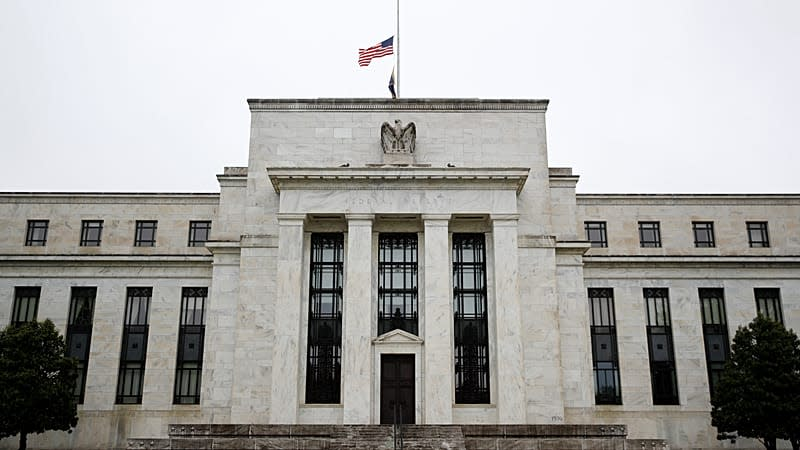
If inflation stays elevated, or worse, continues rising, the Fed may be forced to stay restrictive longer. That scenario isn’t particularly friendly for crypto or equities in the short term. But if energy prices cool and inflation follows, the narrative could flip again, maybe quickly.
All Eyes on the April Fed Meeting
The next key moment is the upcoming FOMC meeting at the end of April. Policymakers will need to decide whether this inflation spike changes the broader outlook or if it’s just a temporary shock tied to energy markets. That distinction matters more than the headline number itself.
Right now, the market feels caught between two possibilities. Either inflation settles back down and rate cuts come back into play, or it lingers, forcing the Fed to stay cautious. And as usual, crypto will likely move with whichever narrative wins.
Disclaimer: BlockNews provides independent reporting on crypto, blockchain, and digital finance. All content is for informational purposes only and does not constitute financial advice. Readers should do their own research before making investment decisions. Some articles may use AI tools to assist in drafting, but every piece is reviewed and edited by our editorial team of experienced crypto writers and analysts before publication.









 English (US) ·