
 13 hours ago
13
13 hours ago
13
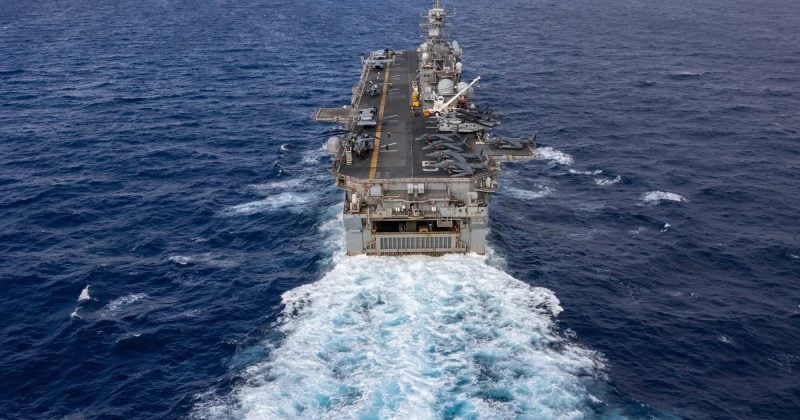
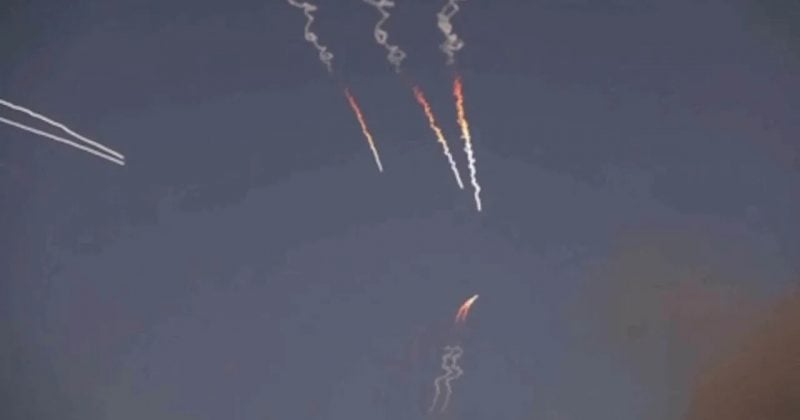
U.S. forces have launched airstrikes against Iran for the eighth consecutive night, following the death of two American service members and the disappearance of another at a base in Jordan. This escalation comes amid the ongoing 2026 Iran–United States conflict, which has seen a resurgence in hostilities after the breakdown of a fragile interim memorandum of understanding earlier this month. The strikes are reportedly aimed at degrading Iran’s military capabilities, particularly those threatening commercial shipping in the strategically vital Strait of Hormuz.
Market pricing appears to reflect an interpretation that continued U.S. military action indicates heightened tensions that could destabilize the Iranian regime. The likelihood of regime change appears to have increased, as suggested by recent shifts in prediction markets. The “Fall of the Iranian Regime” market has seen an uptick in implied probability, now pricing at 10.5% for a regime change by the end of the year, up from 10% just 24 hours ago.
Meanwhile, the possibility of Iran implementing a full airspace closure has also risen. Markets now reflect a 34.5% probability of a full closure by July 31, influenced by the ongoing military conflict and potential escalations in the coming days.
Key Takeaways
- The eighth consecutive night of U.S. strikes suggests a sustained military engagement against Iran, with potential implications for regime stability.
- Increased market activity reflects a growing perception that the Iranian regime may face destabilizing pressures, with odds of a regime fall rising to 10.5%.
- The probability of a full Iranian airspace closure by the end of July has increased to 34.5%, indicating concerns over further escalations.
What to Watch
Observers will be monitoring the response of the Iranian government and military to the ongoing U.S. strikes. Key indicators of further escalation could include official statements or actions by Iran’s Supreme Leader or military that suggest heightened defense postures. Additionally, any new developments in the conflict, such as further U.S. military actions or diplomatic interventions, could significantly impact market pricing related to regime stability and airspace closure scenarios. The situation remains fluid, with markets closely watched for signs of either de-escalation or further conflict escalation.
Get live prediction-market analysis, powered by Vera. Sign up for Vera.
Disclosure: This article was edited by Estefano Gomez. For more information on how we create and review content, see our Editorial Policy.



 English (US) ·