BTC $81,472
  ETH $2,447
  USDT $0.9993
  BNB $727.15
  XRP $1.36
  USDC $0.9996
  SOL $108.06
  TRX $0.3330
  FIGR_HELOC $1.02
  ZEC $1,143
 Bitcoin falls under $83,000 as oil and US borrowing costs climb
Bitcoin slid below $81,000 within a day as Brent crude passed $102 and long bets were closed out.

Key takeaways
- Below $81,000. Bitcoin traded at $83,062 on Wednesday, then slid below $81,000 on Oct. 8.
- Longs closed out. Coinglass counted nearly $178 million in closed bitcoin longs over 24 hours, CoinGlass later logged over $1 billion in liquidations, $930 million of them longs.
- Oil and yields climbed. Brent crude reached $104.87 and the 10-year Treasury yield hit 5.305% on Oct. 8.
What happened
Bitcoin was trading at $83,062 on Wednesday morning in New York, down nearly 4% over 24 hours, after dropping as low as $82,823. On Oct. 8 the coin slid below $81,000, with an intraday low near $80,800.
Brent crude jumped above $102 after Iran stepped up attacks on vessels in the Strait of Hormuz. The rise in borrowing costs was prompted by the oil price surging, stoking fears that the Federal Reserve will hike rates again, and the central bank hiked interest rates last month.
Coinglass data showed nearly $178 million in long bets on bitcoin closed over the past 24 hours. By Oct. 8, CoinGlass registered over $1 billion in liquidations for the previous 24 hours, with $930 million tied to longs.
Why it matters
The September FOMC minutes, released Oct. 7, said most participants viewed another rate increase by year-end as probable. Fed Governor Christopher Waller said further interest-rate hikes will likely be needed to slow inflation, and cited futures pricing that assigned an 85% chance to at least one hike by December.
Oil and yields keep inflation risk alive. The 10-year Treasury yield reached 5.305% and the 2-year sat at 4.821% on Oct. 8, with Brent crude at $104.87 and oil up about 5% during the day.
Buying depth looked thin. Glassnode found combined spot-exchange and US bitcoin spot ETF volume near $6.8 billion a day, below roughly 90% of observations since January 2024, while estimated new money totaled $4.9 billion against a $12.8 billion rise in realized cap over 30 days.
Analysts have said the coin is now in a bull market after rising above its 365-day moving average, even as bitcoin trades more than 30% below its record of $126,080. It spent most of 2026 in a bear market.
What the data shows
Bitcoin: $83,062 on Wednesday, a low of $82,823, then below $81,000 on Oct. 8 with an intraday low near $80,800. It nearly touched $87,086 last week and traded at $81,203 in a later report.
Liquidations: nearly $178 million in bitcoin longs over 24 hours, then over $1 billion in liquidations in a 24-hour window with $930 million tied to longs. More than $200 billion left the crypto market in 48 hours, Ethereum fell under $2,450, and about $1.4 billion in leveraged long bets were wiped out.
Macro: Brent crude above $102, then $104.87, a 10-year Treasury yield of 5.305% and a 2-year yield of 4.821% on Oct. 8, oil up about 5% during the day. Glassnode's next modeled liquidation cluster sits near $75,000 if buyers fail to rebuild.
What is still unclear
- The reports do not establish that macro news caused the liquidations rather than amplified them, that would take intraday spot-flow and liquidation data.
- Traders expect the Fed to hold in October, while minutes from the last meeting were read as hawkish and pointing to one more rate hike in 2026.
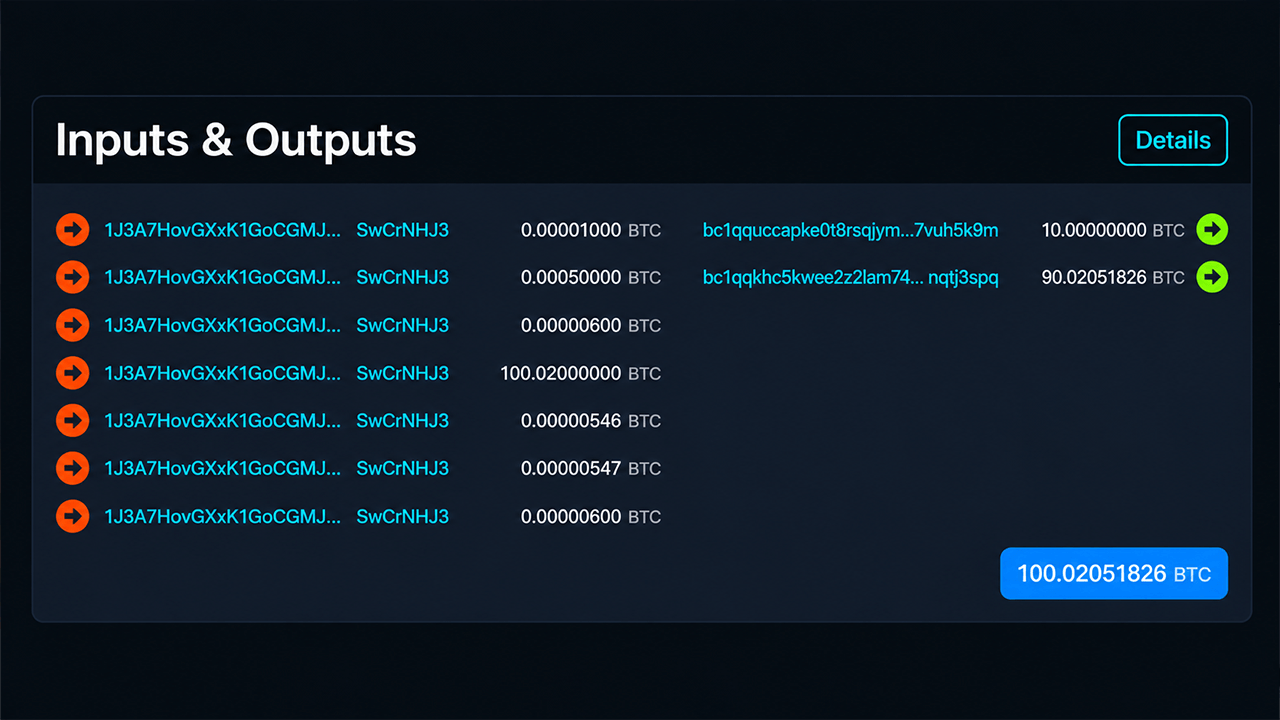
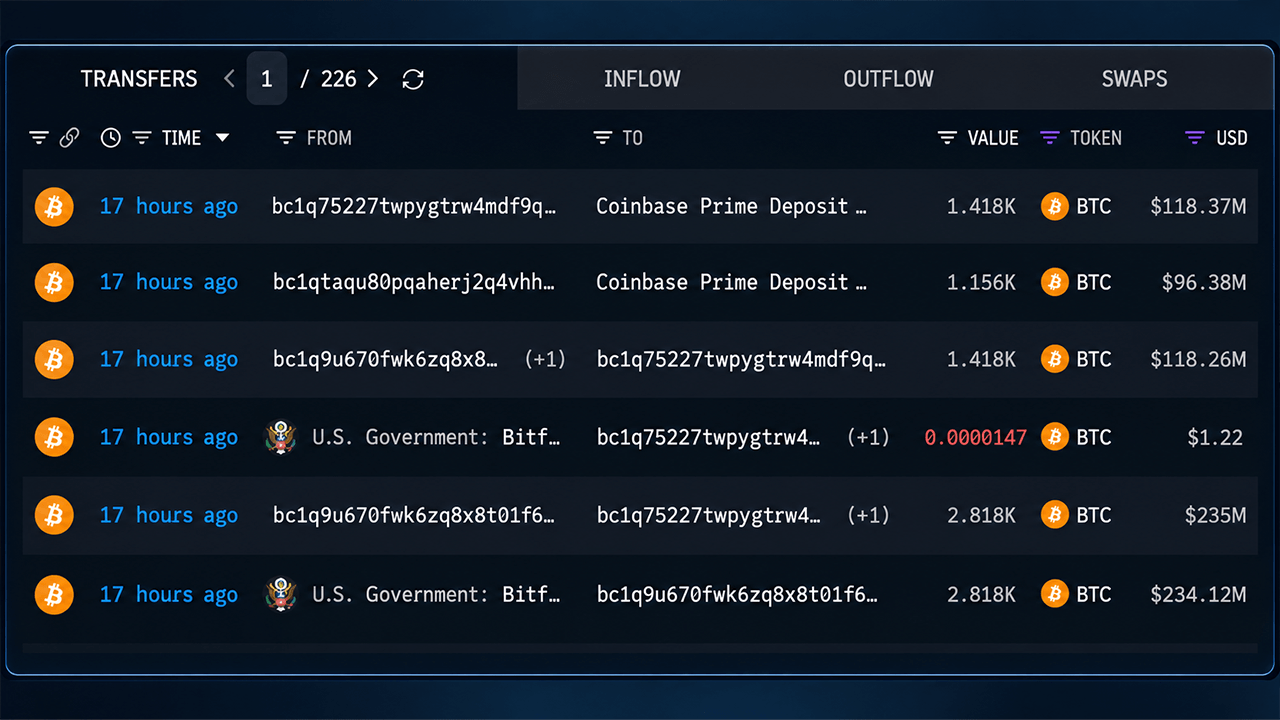
- Traders flagged reports that the US government was moving billions of dollars in Bitcoin, and a later report quoted Trump saying the US will not attack Iran before the midterm elections.
Questions readers ask
Why did bitcoin fall below $81,000?
Reports point to Brent crude jumping above $102 after attacks on vessels in the Strait of Hormuz, along with rising borrowing costs and fears that the Federal Reserve will hike rates again. Bitcoin slid below $81,000 on Oct. 8 with an intraday low near $80,800.
How large were the crypto liquidations?
Coinglass reported nearly $178 million in bitcoin longs closed over 24 hours, and CoinGlass later registered over $1 billion in liquidations for a 24-hour window, with $930 million tied to longs. One report said more than $200 billion left the crypto market in 48 hours.
Is bitcoin still in a bull market?
Analysts have said the coin is now in a bull market after it rose above its 365-day moving average, even though it trades more than 30% below its $126,080 record.
What macro data comes next for bitcoin?
The next macro tests listed are September CPI on Oct. 14, the Oct. 27-28 FOMC meeting, and the Dec. 8-9 meeting.