BTC $76,744
 ETH $2,217
 MGLOEURO $111,813
 USDT $0.9990
 BNB $694.59
 XRP $1.23
 USDC $0.9997
 SOL $94.30
 TRX $0.3352
 FIGR_HELOC $1.03
Regulation · Explained
Utah files criminal charges against Kalshi and its two top executives
A 14-count filing accuses Kalshi, CEO Tarek Mansour and COO Luana Lopes Lara of promoting online gambling after a state agent placed 12 sports wagers.
Key takeaways
- Wagers as evidence. An agent with the Utah Attorney General's Office opened an account under an assumed name, confirmed he was in Utah, and placed 12 bets worth $114.87 in total, giving prosecutors a record of transactions inside the state.
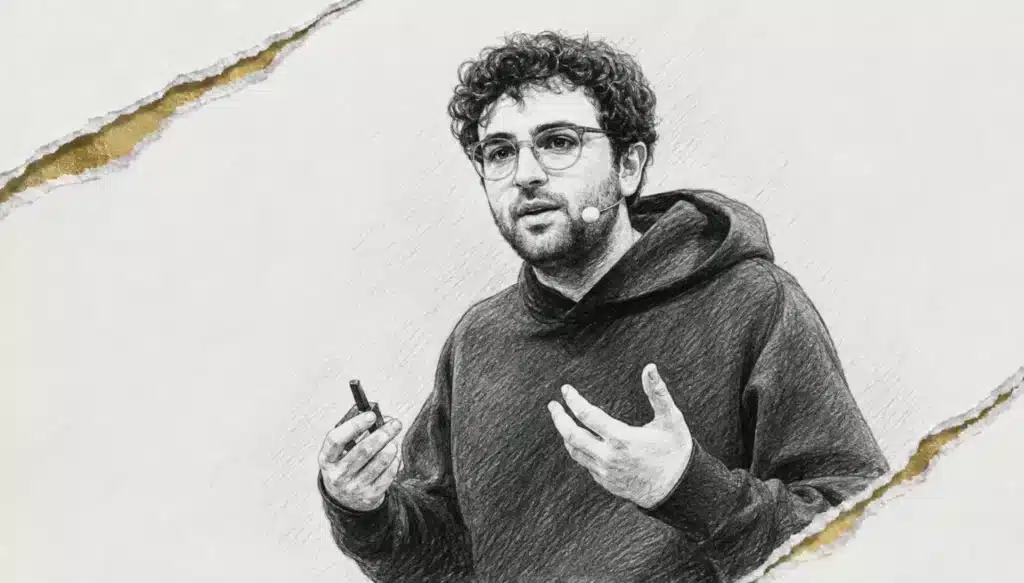
- Founders named. The filing names KalshiEX along with CEO Tarek Mansour and COO Luana Lopes Lara as co-defendants, who received summonses rather than arrest warrants.
- Federal fight widening. The criminal case runs alongside a civil suit Utah filed Oct. 20 and a CFTC action seeking to stop state enforcement against federally registered prediction markets.
What happened
Utah prosecutors have filed a 14-count criminal case against KalshiEX, the company behind the Kalshi prediction market, as well as chief executive Tarek Mansour and chief operating officer Luana Lopes Lara, according to Unchained and CryptoSlate. The Oct. 28 filing carries 12 third-degree felony counts of online gambling promotion, one for each wager that a state investigator placed on the platform. It adds a second-degree felony count of a pattern of unlawful activity, which treats the fees Kalshi collected as proceeds of that conduct, and a class A misdemeanor count of general gambling promotion. The two executives were issued court summonses rather than arrest warrants.
The charges rest on a declaration signed under criminal penalty by Special Agent Scott Eggerman of the Utah Attorney General's Office. According to the reports, Eggerman opened a Kalshi account on Sept. 13 using an undercover name together with a Utah residential address, a local phone number and a debit card issued in the state. Before his first trade, the platform asked him to confirm his location through its location services, and he confirmed he was in Utah. That initial $10 wager on a Dallas Cowboys, New York Giants game went through and generated a 44-cent fee, the reports say.
Over the following days the agent placed 11 more bets on football, baseball, soccer and hockey events, including games tied to Salt Lake and Davis counties. Each trade ranged from $4 to $30, and the total came to $114.87, with Kalshi collecting fees of 3 to 78 cents per transaction. The declaration alleges that the company and both executives have continued to offer online gambling to people in Utah. Attorney General Derek Brown told Reuters that gambling is illegal in the state whether a person places a bet, runs the game or promotes it, and that describing the activity as a prediction market or holding federal registration does not put a company above state law. A Kalshi spokesperson reportedly described the charges as an overreach and said the company would stop them in court, as it did in Arizona.
Why it matters
The case tests whether registration with federal regulators shields an event-contracts exchange from state gambling statutes, and it does so with the company's founders personally exposed to criminal penalties. It also arrives while the Commodity Futures Trading Commission is arguing in federal court that the Commodity Exchange Act gives it exclusive authority over derivatives traded on registered exchanges, including Kalshi's contracts. Utah has taken the opposite position and won an early round when a federal judge rejected Kalshi's preemption argument. A ruling that lets the state enforce its restrictions could require the platform to block certain contracts for Utah residents and leave revenue earned there open to recovery claims.
What the data shows
The filing lists 14 counts in total: 12 third-degree felonies, one second-degree felony and one class A misdemeanor. The underlying investigation covers 12 wagers placed between Sept. 13 and late September, with individual stakes of $4 to $30 and a combined handle of $114.87. Kalshi's per-trade fees in the sample ran from 3 to 78 cents, including 44 cents on the first $10 bet. The civil case was filed Oct. 20, the criminal filing is dated Oct. 28, and the multistate brief was lodged Oct. 29.
Background
Kalshi sued Gov. Spencer Cox in February, contending that federal commodities law overrides Utah's gambling statutes. U.S. District Judge Robert Shelby rejected that argument on Aug. 4, and the Tenth Circuit declined to grant an injunction while the appeal proceeds on Sept. 8. Brown filed a separate civil suit on Oct. 20 seeking to bar Kalshi from offering sports, election, political and other event contracts to state residents, along with court-approved geolocation controls and disgorgement of profits. In Arizona, a March criminal case against the company was paused in April by U.S. District Judge Michael Liburdi at the request of the CFTC and the Justice Department. A coalition of 37 state attorneys general filed a brief on Oct. 29 backing Utah's authority in the federal appeal.
What is still unclear
The two reports differ on the end date of the wagering period, with one placing the final trade on Sept. 24 and the other on Sept. 26. They also describe the federal regulator's move against Utah's civil case differently: one says the CFTC asked a judge this week to halt it, while the other dates a CFTC and U.S. government suit against the state to Oct. 26. The criminal filing lists no case number or assigned judge, so no schedule or initial appearance has been set. It is not yet clear how the state prosecution and the federal proceedings will be sequenced.
What to watch
The next markers are the CFTC's request to pause Utah's civil enforcement, the Tenth Circuit appeal where the attorneys general have weighed in, and any scheduling in the criminal matter now that summonses have been issued. Arizona's paused prosecution may offer a template for how the Utah case proceeds. How Kalshi handles geolocation checks for state residents is also likely to draw scrutiny, since the filing leans heavily on the agent's location confirmation before his first trade.
Questions readers ask
What is Kalshi accused of in Utah?
The filing alleges online gambling promotion, a pattern of unlawful activity based on the fees the platform collected, and general gambling promotion, tied to 12 sports wagers placed by an undercover state agent.
Are the executives facing arrest?
According to the reports, Tarek Mansour and Luana Lopes Lara were named as co-defendants and received court summonses rather than arrest warrants.
How does this relate to the federal case?
Kalshi argues federal commodities law preempts state gambling statutes, an argument a federal judge rejected in August. The CFTC separately contends it has exclusive jurisdiction over contracts traded on registered exchanges and has moved to stop Utah's civil enforcement.