BTC $81,159
 ETH $2,356
 MGLOEURO $111,813
 USDT $0.9988
 BNB $748.50
 XRP $1.33
 USDC $0.9994
 SOL $101.48
 TRX $0.3314
 FIGR_HELOC $1.02
Stablecoins · Explained
Mexican peso stablecoin expands to six blockchains with Anchorage custody
Anchorage Digital and Bitso deepen partnership to support cross-border payments between the U.S. and Mexico.
Key takeaways
- Multi-chain infrastructure. MXNB is now custodied by Anchorage across Arbitrum, Base, Ethereum, Polygon, Avalanche, and Arc, allowing institutions to manage peso-backed assets across multiple networks through a single banking relationship.
- Bilateral custody model. Anchorage serves as both issuer and custodian for the dollar stablecoins on Bitso's platform, positioning itself as the institutional layer on both sides of the U.S.-Mexico payment flow.
- Scale opportunity. Bitso's infrastructure already processes 15% of the remittance volume in the corridor, which moves tens of billions of dollars annually through slower legacy channels.
What happened
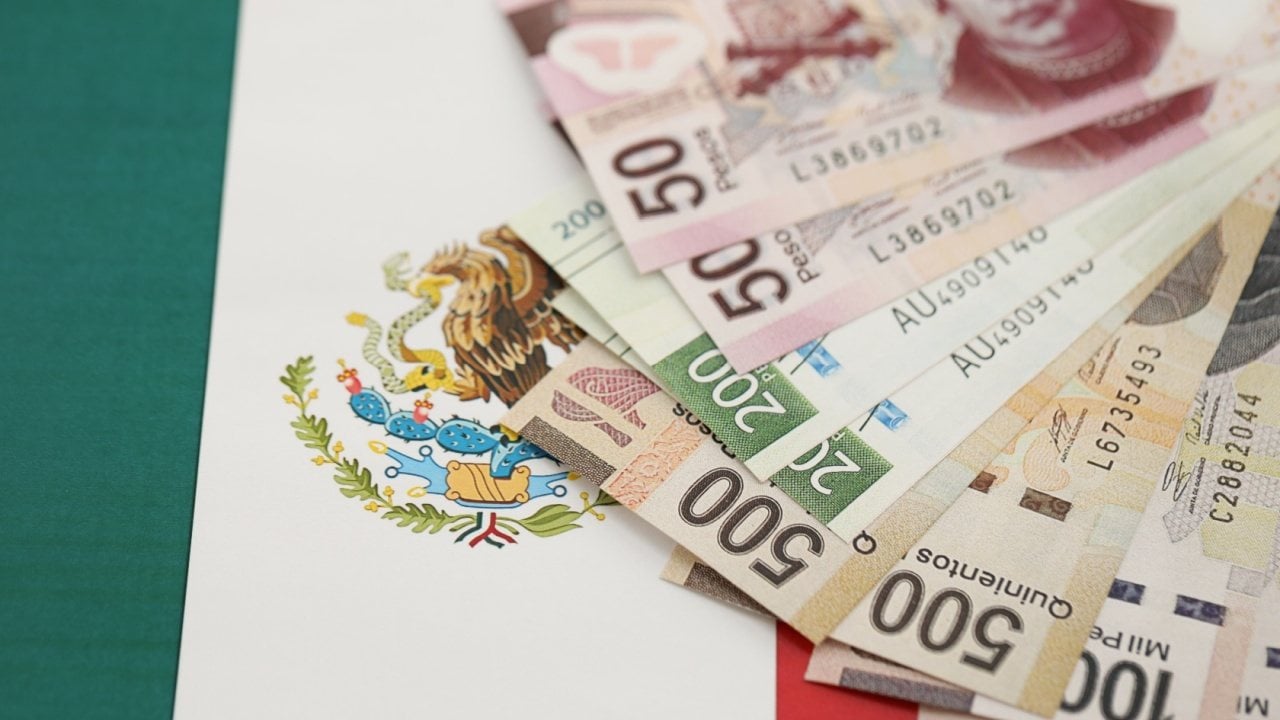
Anchorage Digital Bank has expanded its partnership with Bitso to support custody of MXNB, the Mexican peso stablecoin, across six blockchain networks. The announcement came on Tuesday and integrates Arbitrum, Base, Ethereum, Polygon, Avalanche, and Arc into Anchorage's custody infrastructure, giving institutional clients the ability to hold peso-denominated assets across multiple blockchain environments through a single banking relationship.
The expanded arrangement pairs Anchorage's custody services with Bitso's introduction of two U.S. dollar stablecoins on its platform: USDPT, issued by Western Union, and USAT, issued by Tether. Both dollar stablecoins are issued and custodied by Anchorage Digital Bank. Mexican customers can purchase and sell USDPT directly using pesos through Bitso's application, while Western Union agents operating Bitso Business accounts can exchange USDPT for other supported currencies.
The partnership targets the U.S.-Mexico remittance corridor, one of the world's largest cross-border payment routes, which moves tens of billions of dollars annually. Bitso reports that its infrastructure already handles 15% of remittance volume in the corridor. Most money in the corridor still travels through correspondent banking, wire transfers, and cash-pickup networks, all of which are slower and more costly than blockchain-based settlement.
First $2.7KLatest $2.3K-12.7% over the period
Points are daily observations, not closing prices.
Why it matters
By anchoring custody on both sides of the remittance corridor, Anchorage positions itself as the default institutional layer for any issuer or bank seeking to participate in cross-border payments between the two nations. The arrangement addresses a practical complication in stablecoin infrastructure: liquidity exists across different networks, and institutions need to manage assets without maintaining separate custodians for every blockchain. Stablecoins settle onchain in seconds around the clock, offering continuous availability and transaction traceability compared to traditional banking rails, though actual payment costs and processing times depend on the networks and services involved.
Background
Anchorage Digital Bank is a federally chartered crypto bank that issues and custodies stablecoins, including Tether's U.S.-regulated USAT stablecoin. The bank has deepened its stablecoin footprint through various partnerships and now positions itself as an institutional custody provider across multiple blockchain networks.
Bitso is a Latin American financial services and cryptocurrency platform that has been pushing its MXNB peso stablecoin across networks. The companies describe both dollar stablecoins as compliant with the U.S. GENIUS Act. The partnership reflects a broader race to integrate stablecoins into Latin America's payments infrastructure, with other players like Circle also expanding their presence in the region through initiatives like settlement pilots.
What to watch
The remaining question is how much of the corridor's traditional payment volume will ultimately migrate onchain. While blockchain-based remittances offer speed and transparency advantages, adoption depends on institutional willingness to transition away from legacy correspondent banking systems. The arrangement between Anchorage and Bitso establishes the infrastructure, but scaling will require continued participation from banks, payment networks, and remittance providers.
Questions readers ask
Which blockchains support MXNB custody through Anchorage?
Anchorage Digital now custodies MXNB across six blockchains: Arbitrum, Base, Ethereum, Polygon, Avalanche, and Arc.
What dollar stablecoins are available through Bitso?
Bitso offers USDPT, issued by Western Union, and USAT, issued by Tether. Both are issued and custodied by Anchorage Digital Bank.
What percentage of U.S.-Mexico remittances currently flow through Bitso?
Bitso reports that its infrastructure already processes approximately 15% of remittance volume in the U.S.-Mexico corridor.