BTC $77,090
 ETH $2,267
 MGLOEURO $111,813
 USDT $0.9989
 BNB $693.79
 XRP $1.25
 USDC $0.9995
 SOL $92.11
 TRX $0.3225
 FIGR_HELOC $1.03
Exchanges · Explained
Binance says it blocked 57 suspected North Korea-linked threats in 2026
The exchange says it stopped dozens of suspected state-linked intrusion attempts, yet a staged job interview led to the October wallet breach.

Key takeaways
- Dozens blocked. Binance says it intercepted 57 suspected North Korea-linked threat cases during 2026.
- One got through. A fake interview and malicious coding assignment led to the October breach of wallet infrastructure.
- Recovery ongoing. Binance says 98% of affected tokens have been replenished, with less liquid assets still being purchased.
What happened
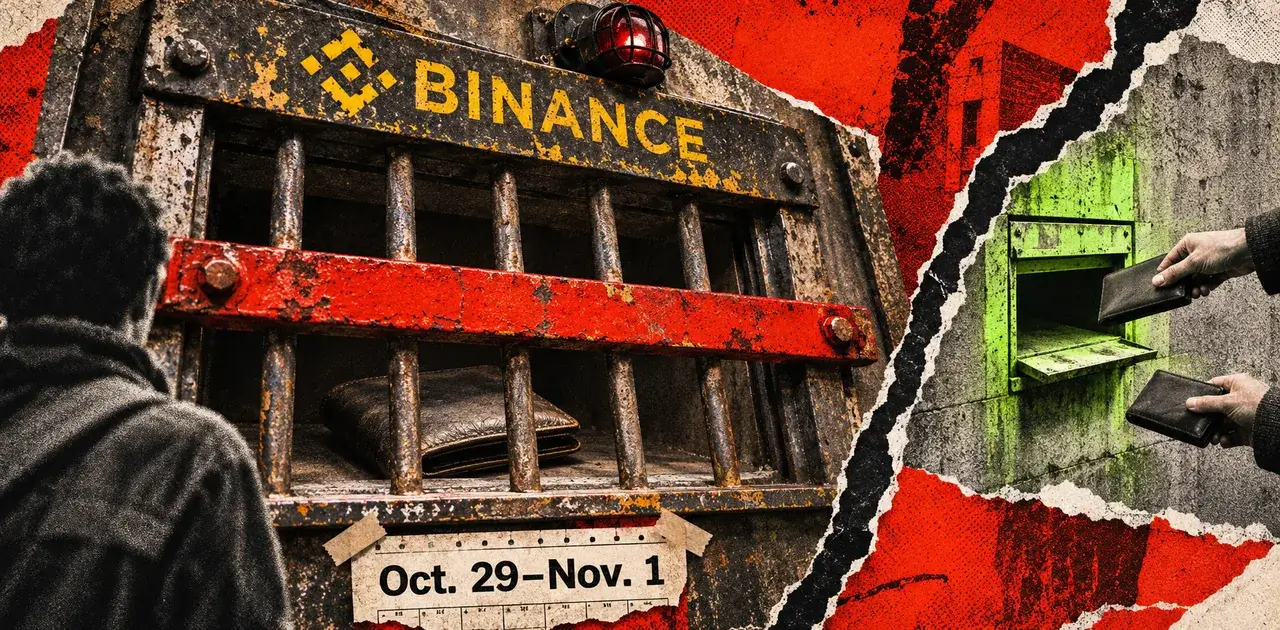
Binance says its security team detected and prevented 57 suspected North Korea-linked cyber threat cases during 2026, according to a Nov. 3 security report and a post on X by co-founder and co-CEO Yi He. The exchange said the attempts included fraudulent job interviews, malicious software disguised as popular developer tools, compromised software packages and browser extensions, fake video conferencing applications, and social engineering campaigns aimed at stealing credentials or installing remote access malware.
Even so, one campaign succeeded. Binance's account describes a sequence that began in June, when a wallet infrastructure engineer downloaded a tampered Homebrew installer while trying to install an AI coding tool. The security team detected the suspicious software, replaced the device and rotated credentials, but information about the engineer's responsibilities and colleagues had already been exposed.
In September, someone posing as a project director at a fictitious company contacted another software engineer through a legitimate recruitment platform. A person presented as an HR representative held a live video interview and shared a social media profile with personal photos and videos, and a second interview followed with someone claiming to be the company's chief executive. Near the end, the engineer was told to download a coding assignment onto his work computer; the repository contained malware that ran during setup, replaced a legitimate developer-tool component and connected to an attacker-controlled server, evading endpoint security and hiding traces of the intrusion.
By Oct. 20, the attackers had used the compromised computer and an internal AI tool to gain control over two more engineers, including the employee targeted in June, and obtained a container deployment permission token. Nine days later they used stolen credentials to deploy a malicious container and reach wallet-signing infrastructure, initiating transfers outside the normal withdrawal process across several blockchain networks. The FBI attributed the Oct. 29 theft, put at $6.34 billion, to North Korea's TraderTraitor operation.
Why it matters
The disclosure highlights a gap between identifying a persistent threat and stopping it from succeeding. Binance's own account shows that its team recognized recruitment lures and malicious developer tools as recurring tactics, yet a single successful social engineering chain was enough to reach systems that authorize wallet transactions. Yi wrote that the exchange intercepted many attempts but that the cost of failing to stop even one was severe and that it should never have happened.
The case also illustrates how much of the risk sits with individual employees rather than only with perimeter defenses. The attackers combined fabricated identities, live video calls, social media profiles and a coding assignment tailored to a developer's job, a pattern US authorities have warned about for years. For an industry that depends on signing keys and deployment permissions, a compromised laptop can matter as much as a flaw in a smart contract.
What the data shows
Binance said 98% of the impacted token assets had been replenished and that it was buying the remaining, less liquid assets, with more than the funds required to cover the loss set aside. It had previously identified BTC, ETH, USDT, BNB, SOL, USDC, XRP, USD1, RLUSD and ZEC as fully backed, and replacement purchases have drawn on the Secure Asset Fund for Users, excess reserves from the Futures Insurance Fund and the corporate treasury. Bitcoin withdrawals reopened on Nov. 1, when Richard Teng put replenishment at about 95%, and on Nov. 3 the exchange restored withdrawals for 31 additional assets on Ethereum and 20 on Solana.
Background
The tactics resemble a North Korean playbook that researchers and US agencies have tracked. In September 2024, the FBI warned that North Korean hackers were using personalized employment offers, elaborate fictional identities and long conversations to infiltrate crypto businesses, noting that even technically sophisticated employees could be deceived. In June 2026, Kudelski Security researchers documented the Contagious Interview operation, in which hackers impersonated recruiters on LinkedIn, WhatsApp and Discord before persuading developers to run malicious code. By September, Atlassian researchers had identified fake technical assessments hosted on established development platforms, with malicious instructions hidden inside otherwise legitimate-looking projects.
Separate tracing work has followed the stolen assets. Blockaid identified 50 submitted EIP-7702 authorizations tied to Binance 14, an Ethereum hot wallet, one of which delegated execution rights to a malicious contract. Elliptic found roughly 28 BTC, worth $2.2 million, entering 18 CoinJoin transactions between Nov. 1 and early Nov. 2, while 18,270 BTC taken directly from Binance remained in 19 addresses at the time of its assessment. The firm's investigation covered about 12,000 wallets, 11 blockchains and more than 40,000 transactions, and theft-linked addresses still held an estimated $3.24 billion, mainly in Ethereum and Bitcoin.
What is still unclear
Binance has not disclosed how many of the 57 prevented cases involved fake interviews or whether any were directly connected to the group behind the October breach. The reports also leave open why existing threat detection measures did not identify the successful recruitment campaign, and the exchange has not detailed how the internal AI tool was used to reach the additional engineers.
What to watch
Binance says it has replaced compromised employee devices, revoked exposed credentials, rebuilt affected wallet infrastructure, strengthened developer-environment protections and expanded AI-based behavioral monitoring. How those changes perform against further recruitment-style lures will be a test for the exchange and, given the shared tactics, for other crypto firms. The FBI, working with the US Secret Service and IRS Criminal Investigation, said attackers were converting stolen assets mainly into Ether and expected further laundering through decentralized finance and instant swap services, urging exchanges, analytics firms and infrastructure operators to block transactions tied to listed addresses. North Korea denied involvement on Nov. 3, with Kim Yo Jong rejecting the FBI's accusation in a statement carried by state media, according to the Associated Press.
Questions readers ask
How many threats did Binance say it blocked?
Binance said its security team detected and prevented 57 suspected North Korea-linked cyber threat cases during 2026.
How did attackers get past Binance's defenses?
According to Binance, a software engineer was approached through a legitimate recruitment platform, interviewed by people posing as a project director, HR representative and chief executive, and then told to download a coding assignment that contained malware.
Who did the FBI blame for the theft?
The FBI attributed the Oct. 29 theft to North Korea's TraderTraitor operation. North Korea denied involvement, according to the Associated Press.