BTC $78,026
 ETH $2,286
 MGLOEURO $111,813
 USDT $0.9990
 BNB $708.19
 XRP $1.25
 USDC $0.9996
 SOL $94.16
 TRX $0.3153
 FIGR_HELOC $1.08
Regulation · Explained
Brazil's crypto licensing window closes with about 40 applicants
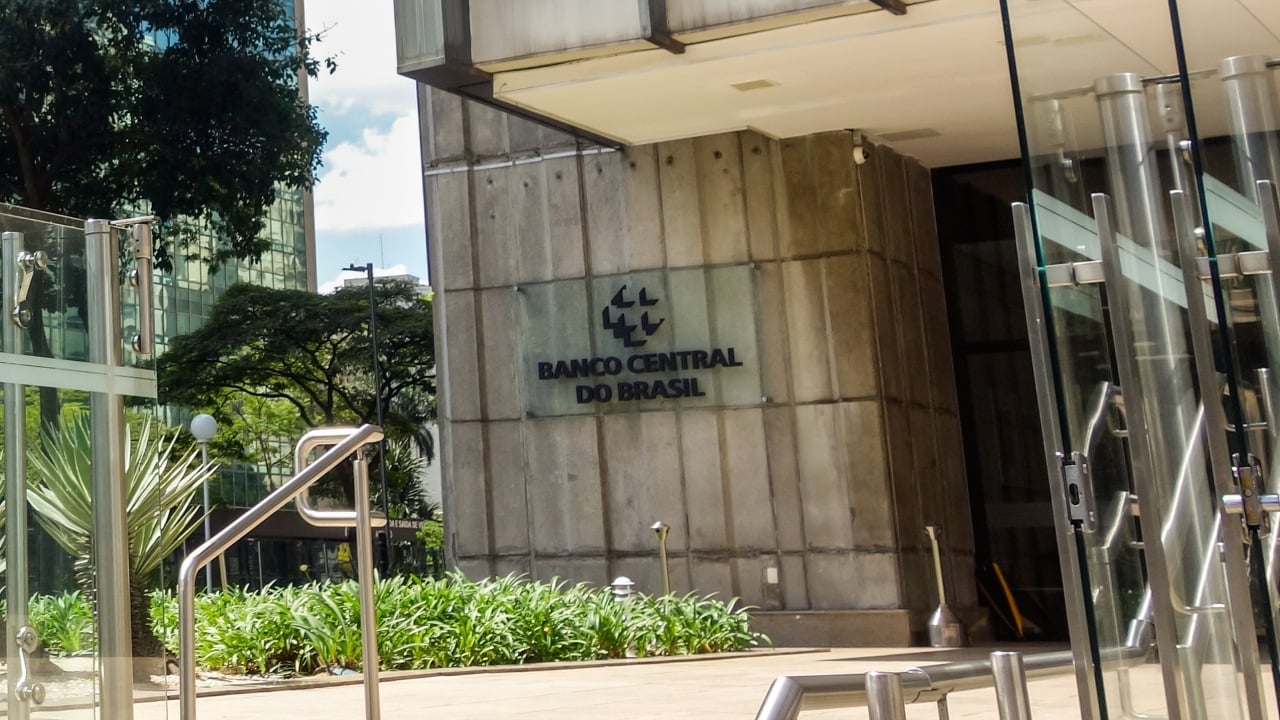
Roughly 40 institutions sought authorization from the Central Bank of Brazil by the October 30 deadline, far below expectations of 150 to 200.
Key takeaways
- Far short of forecasts. About 40 institutions were identified with applications, notifications or related activity as of October 29, well below the 150 to 200 the market had expected.
- Fiat rails cut off. From November 6, banks and payment institutions will generally be barred from transacting with crypto providers that lack authorization or an exemption.
- Bigger players dominate. Binance, through its BBrasil entity, and Itaú are among those that formalized positions, while several smaller platforms exited the country.
What happened
Brazil's first licensing round for crypto service providers has closed with a fraction of the participants the market had anticipated. Roughly 40 institutions were identified as having submitted applications, notifications or other activity tied to the authorization process as of October 29, one day before the Central Bank of Brazil's October 30 cutoff, according to Crypto.news and Bitcoin.com News, both citing an assessment by Brazilian law firm Panucci, Severo e Nebias Advogados (PSNA). Earlier industry estimates had pointed to between 150 and 200 firms seeking permission to keep operating.
The applicants span several segments of the financial sector: international exchanges, licensed banks, payment fintechs and B3, the operator of the Brazilian stock exchange. Binance filed through BBrasil, an entity set up to run its crypto business under the new rules and kept separate from its local brokerage, which handles traditional currencies and payments. Itaú formalized its trading and custody services under the framework on October 27. Banks already authorized by the central bank follow a different path, registering eligible crypto activities through regulatory notifications rather than a full application.
Firms that did not file by the deadline now have 30 days to wind down in an orderly manner. From November 6, banks and payment institutions will generally be barred from carrying out virtual asset transactions with providers that lack authorization or an applicable exemption, a restriction that cuts unauthorized operators off from the local fiat system.
Why it matters
The thin turnout points to consolidation of Brazil's virtual asset service provider industry rather than expansion. The firms that cleared the bar tend to be larger, with bigger security and compliance budgets, and Tiago Severo Gomes, who leads crypto and virtual assets work at PSNA, expects them to serve as infrastructure providers for smaller companies. Medium-sized banks, credit cooperatives and retailers could offer crypto to their customers by hiring an authorized provider instead of building an exchange, which shifts the legal question to who actually delivers the regulated service and who answers to the customer. The scale of the market makes the cull notable: Brazil recorded R$505.5 billion in reported crypto transactions during 2025, with dollar-pegged stablecoins accounting for about two thirds of that volume.
What the data shows
Capital thresholds run from R$10.8 million to R$37.2 million depending on the services offered and the firm's risk profile. The central bank may take up to two years to decide on applications from new market entrants, so any company not already in the queue faces a long path. Industry estimates in September, reported earlier by Crypto.news, were even gloomier than the final count, suggesting only 20 to 25 firms might apply and roughly 10 might eventually be licensed. The exit wave has been visible for months: Argentina's Lemon left Brazil, announcing plans to close about 15,000 local accounts and redirect resources to Argentina, Peru and Colombia, while Coinext, NovaDAX and Digitra.com closed or scaled back their Brazilian retail operations.
Background
Under the framework, existing virtual asset service providers must seek authorization from the central bank, while newcomers need approval before starting regulated activity. Review covers ownership structures, business plans, financial resources and operational controls. Bitcoin.com News reported that the central bank has placed such providers in a Type 3 classification carrying the same requirements as brokerages and securities firms. Compliance goes beyond capital: applicants must report client custody to the central bank daily, file proof of reserves monthly, present three years of audited balance sheets and run an anti-money-laundering program robust enough to withstand audit, according to Severo Gomes.
What to watch
Attention now turns to the next phase of rulemaking, expected to center on stablecoin issuance and tokenization of real-world assets. According to Severo Gomes, several virtual asset activities still lack dedicated regulatory treatment, leaving open how certain products and services should be supervised. More applications could still arrive, but with a review clock of up to two years the pipeline will fill slowly. The November 6 restriction on dealings with unauthorized providers will be the first practical test of whether the smaller roster of licensed firms can absorb demand from banks, cooperatives and retailers that want to offer crypto without running their own exchange.
Questions readers ask
Why did so few crypto firms apply in Brazil?
Capital minimums were only part of the barrier. Firms also had to build daily custody reporting, monthly proof-of-reserves filings, three years of audited financial statements and an auditable anti-money-laundering program, which many smaller platforms concluded they could not sustain.
What happens to crypto companies that missed the deadline?
They have 30 days from October 30 to wind down operations in an orderly way. From November 6, banks and payment institutions will generally be prohibited from transacting with providers that are not authorized or covered by an exemption.
Can smaller banks still offer crypto?
Yes, potentially through partnerships. Rather than operating an exchange, banks, cooperatives and retailers could hire an authorized provider, with the legal focus falling on which party provides the regulated service and which one is responsible to the customer.