
 1 month ago
44
1 month ago
44
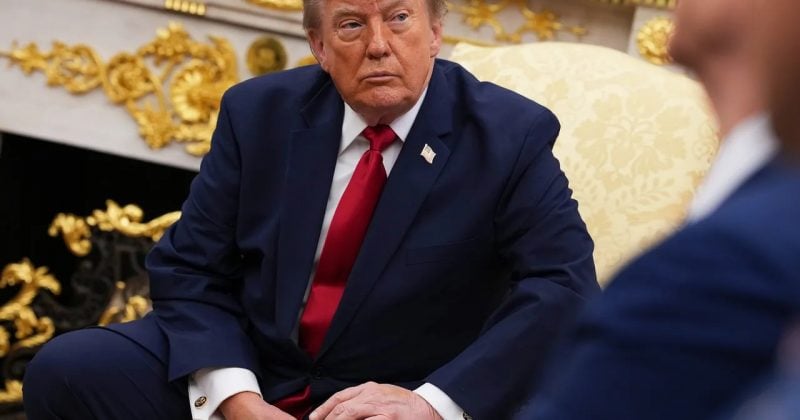
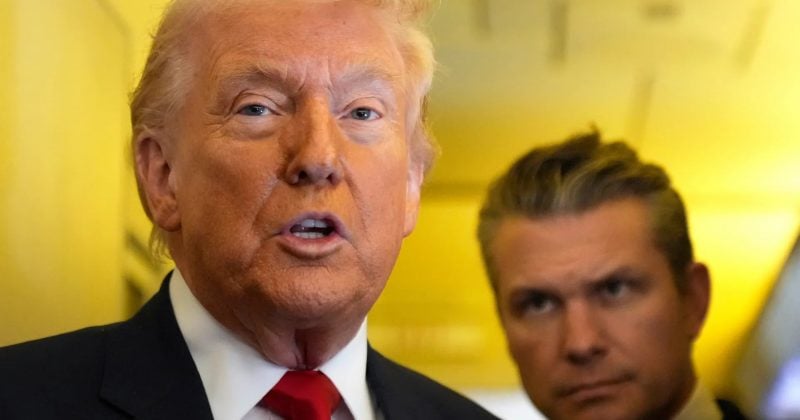
President Donald Trump is set to speak with Israeli Prime Minister Benjamin Netanyahu on Saturday about the proposed Iran deal, a conversation that follows what has already been a remarkably contentious week of diplomacy between the two allies.
The call comes days after Trump publicly pegged the odds of reaching an agreement with Iran at “50/50.” Netanyahu, meanwhile, has been considerably less optimistic, with Israeli officials describing the interim terms on the table as “very bad.”
A week of diplomatic whiplash
On May 20, Trump and Netanyahu held a phone call that sources described as tense. Netanyahu reportedly pushed back hard against the proposed diplomatic framework, which centers on a “letter of intent” for a cessation of hostilities followed by 30 days of negotiations focused on Iran’s nuclear program and security of the Strait of Hormuz.
By May 23, Netanyahu had convened an urgent meeting with coalition leaders and security officials to discuss the deal’s unfavorable terms. The meeting signaled a significant shift in Israeli posture, from proactive military engagement against Iranian assets earlier in 2026 to facing a potential de-escalation framework that Jerusalem views as insufficiently protective of its interests.
Qatar, Pakistan, and Gulf states are serving as mediators in the negotiations.
Why crypto markets are watching the Strait of Hormuz
Bitcoin hit a 12-week high in late April 2026, buoyed in part by optimism surrounding a potential Iran deal. Traders have been watching the Iran negotiations as a leading indicator for broader market sentiment, with positive developments historically correlating with increased buying pressure on Bitcoin.
The Strait of Hormuz is the narrow waterway through which roughly a fifth of the world’s oil supply passes daily.
What this means for investors
The Saturday call creates a binary event risk that crypto traders should be aware of heading into the weekend. Weekend liquidity in crypto markets is typically thinner than during the trading week, which means any headline-driven moves could be amplified.
Netanyahu has domestic political incentives to appear tough on Iran, and his coalition includes members who view any negotiation short of a complete dismantlement of Iran’s nuclear program as capitulation.
Disclosure: This article was edited by Editorial Team. For more information on how we create and review content, see our Editorial Policy.




 English (US) ·