BTC $80,270
 ETH $2,328
 USDT $0.9993
 BNB $741.27
 XRP $1.29
 USDC $0.9998
 SOL $101.60
 TRX $0.3303
 FIGR_HELOC $1.06
 ZEC $1,229
Bitcoin · Explained
Franklin Templeton files for ETFs that channel stock dividends into Bitcoin
The asset manager registered two funds that would blend traditional equity investing with automatic Bitcoin accumulation through dividend reinvestment.

Key takeaways
- Dividend-to-crypto structure. Rather than requiring separate cryptocurrency purchases, the funds would automatically reinvest stock dividends into Bitcoin-linked instruments, potentially making digital asset exposure more accessible to traditional equity investors.
- Two distinct strategies. One fund tracks a large-cap index of 500 major U.S. companies, while the other focuses on 100 innovation-oriented companies, both managed by Franklin Templeton through VettaFi indexes.
- Regulatory gates remain. While registration with Nasdaq has been filed, the documents do not confirm a trading launch date or indicate that investors can currently purchase shares.
What happened
Franklin Templeton has registered two exchange-traded funds with Nasdaq that would combine U.S. stock investing with systematic Bitcoin accumulation through dividend reinvestment. According to SEC filings from October 22, the Franklin US Equity Bitcoin DRIP Index ETF and Franklin US Innovation Bitcoin DRIP Index ETF would channel dividend payments from underlying stock portfolios into Bitcoin exposure rather than returning them to shareholders as cash.
The funds would begin with a 5% allocation to Bitcoin-related investments, with the remainder invested in equities. The equity-focused product tracks a large-cap index comprising 500 major American companies, while the innovation-oriented version focuses on 100 companies from a specialized stock universe. Both indexes are maintained by VettaFi.
Franklin Templeton set annual management fees at 0.09% for the equity fund and 0.19% for the innovation fund, translating to approximately $9 and $19 annually on a $10,000 investment. The proposed tickers are FBEQ and FIBT, though the company has not announced a specific trading launch date. The SEC filing confirms registration of shares for Nasdaq trading but does not establish that investors can currently purchase the ETFs.
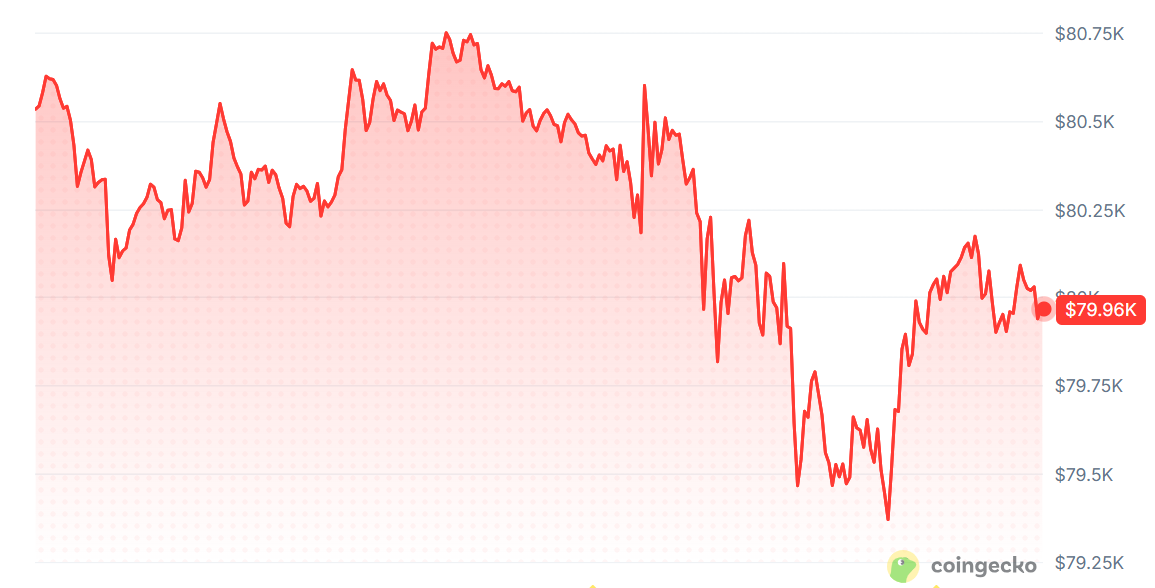
First $84.4KLatest $80.3K-4.9% over the period
Points are daily observations, not closing prices.
Why it matters
The structure offers traditional equity investors a method to build Bitcoin exposure without making separate cryptocurrency purchases or selling stock positions. By automatically channeling dividends into digital assets, the funds reduce friction for investors who may lack experience with cryptocurrency markets or platforms. This approach represents an evolution in how asset managers are integrating Bitcoin into conventional investment strategies, bridging the gap between legacy equity portfolios and emerging digital asset classes.
What the data shows
The dividend reinvestment mechanism operates according to specific rules outlined in the prospectus. Regular and special dividends from stock portfolios are incorporated into the Bitcoin allocation on the trading day following the relevant ex-dividend date. Quarterly rebalancing limits Bitcoin exposure: if it exceeds 5%, the allocation is reduced to 4.5%, while allocations at or below 5% remain unchanged. A separate 20% ceiling applies between scheduled reviews, with breaches triggering a reduction to 4.5% at the close of the second business day following the threshold breach.
Background
Franklin Templeton has expanded its cryptocurrency offerings in recent years, launching the Franklin Bitcoin ETF and the Franklin Crypto Index ETF, which provides combined exposure to Bitcoin and Ether. The latest dividend-reinvestment strategy builds on this existing infrastructure. The company originally filed for these dividend-to-Bitcoin funds in June, with subsequent amendments filed in August, September, and October as regulatory details were refined.
Investors would receive exposure to stocks and Bitcoin-linked assets through the ETF structure rather than holding Bitcoin directly in personal wallets. The funds would gain Bitcoin exposure through various instruments, including Bitcoin exchange-traded products, futures, options, and eligible depositary receipts. A wholly owned subsidiary in the Cayman Islands may hold certain Bitcoin-related instruments to facilitate this arrangement.
What to watch
The prospectus cautions that cryptocurrency volatility, derivatives exposure, transaction expenses, and potential regulatory changes could affect fund performance. Franklin Templeton's registration process does not yet establish how much investor capital the funds will attract at launch or confirm exact first trading dates. Creation units are generally structured at 100,000 shares for the equity fund and 50,000 shares for the innovation fund, with authorized participants handling large-scale share creation and redemption.
Questions readers ask
How do these funds differ from Franklin Templeton's existing crypto offerings?
These funds blend equity investment with Bitcoin accumulation through dividend reinvestment, whereas the Franklin Bitcoin ETF and Franklin Crypto Index ETF provide direct cryptocurrency exposure. The dividend-reinvestment approach targets investors seeking traditional stock portfolios with integrated Bitcoin exposure rather than dedicated crypto products.
When can I buy these ETFs?
The SEC filings confirm registration for Nasdaq trading but do not establish a specific launch date. The registration documents indicate the funds are proposed offerings, and Franklin Templeton has not publicly announced when trading will begin.
What happens if Bitcoin becomes a large percentage of the fund?
The funds employ rebalancing mechanisms to control Bitcoin exposure. At quarterly reviews, allocations above 5% are reduced to 4.5%. A 20% ceiling applies between reviews, triggering automatic reduction to 4.5% if breached.