BTC $81,732
  ETH $2,418
  USDT $0.9992
  BNB $727.83
  XRP $1.33
  USDC $0.9997
  SOL $104.25
  TRX $0.3327
  FIGR_HELOC $1.04
  ZEC $1,138
 OCC review finds bank limits on crypto but cannot measure scale
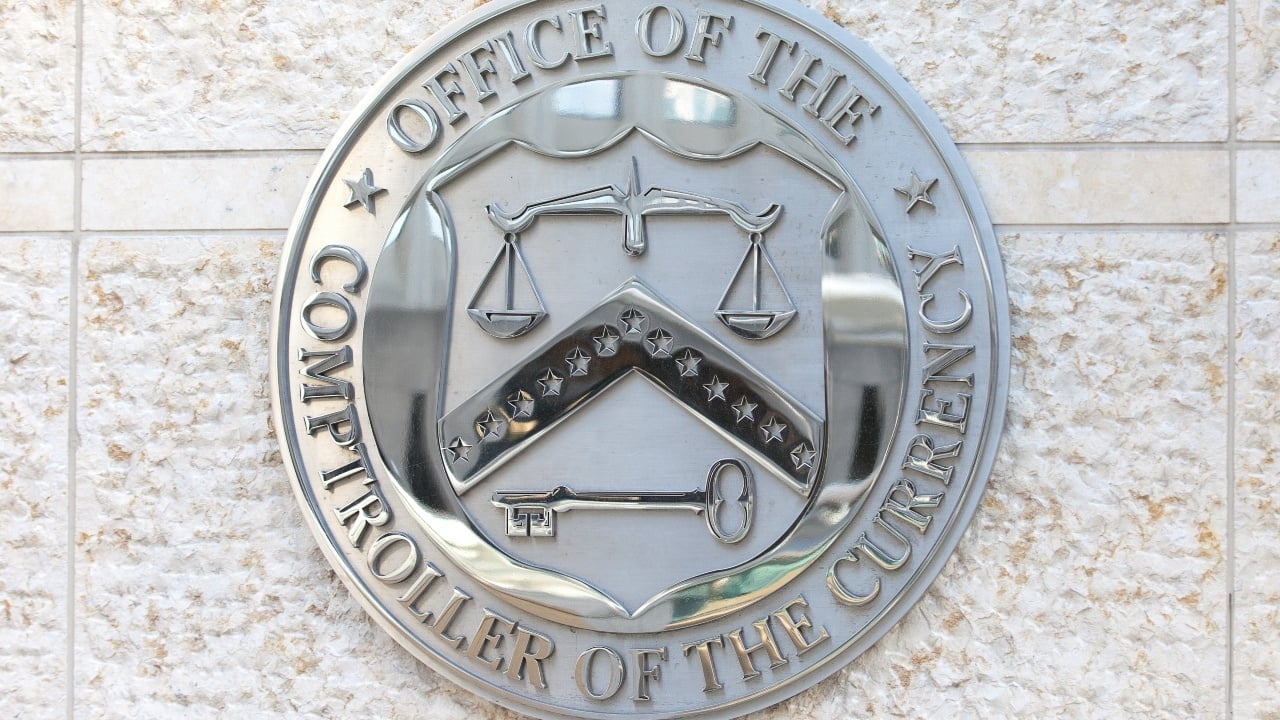
A 47-page OCC review of nine major banks found policies restricting digital asset firms, but not how many were affected.

Key takeaways
- Nine banks reviewed. The OCC examined nine major banks but said it could not measure debanking across the financial system.
- The report runs 47 pages. The 47-page report groups digital assets with oil and gas, tobacco and firearms, but gives no crypto examples.
- Thirty executives complained. In November 2024, more than 30 tech and crypto executives said they had been denied access to banking services.
What happened
The US Office of the Comptroller of the Currency released a report on Wednesday about debanking. The agency said certain banks had "public and nonpublic policies" restricting services for many industries, including oil and gas, tobacco, firearms and digital assets. The OCC said many institutions also limited banking for digital asset activities, covering issuers, exchanges and administrators, and often linked those limits to financial crime concerns.
The 47-page report gave no specific examples of debanking tied to digital asset activity. The OCC said it could not quantify the full extent of debanking or alleged debanking actions on a comprehensive basis after reviewing nine major banks. Its findings named issuers, exchanges and administrators among the digital asset businesses subject to bank policies.
Why it matters
The review followed an August 2025 executive order from US President Donald Trump to prevent what he called "unlawful debanking". The order, titled "Guaranteeing Fair Banking for All Americans", set a policy against denying financial services because of protected beliefs, affiliations, or political views. Under that policy, banking decisions should rest on objective, risk-based assessments of each customer.
Comptroller Jonathan Gould challenged the reasons banks gave for pulling back from coal, not crypto. "These decisions were not based on financial risk," he said. He said banks instead cited concerns about negative headlines, public protests, and the perceived reputational consequences of supporting that industry. For digital assets, the report pointed to financial crime considerations.
Venture capitalist Nic Carter warned that separating political exclusion from business decisions could prove difficult. In his assessment, regulatory pressure can make a customer expensive to serve, which lets a bank call an account closure an ordinary commercial decision.
Background
In November 2024, more than 30 tech and crypto executives claimed they had been denied access to banking services. Many in the crypto industry unofficially called the effort "Operation Chokepoint 2.0", after an Obama-era initiative against fraud and money laundering facilitated by banks.
The 2025 executive order followed calls from many in the industry, including claims tied to "Operation Chokepoint 2.0", that the US government under former President Joe Biden may have influenced financial institutions to cut off crypto firms from certain services.
What is still unclear
- The report offered no crypto-specific examples of debanking, so the scale of the practice remains unmeasured.
- The agency said it could not quantify the full extent of debanking or alleged debanking actions after reviewing nine major banks.
- Gould's public remarks centered on coal and firearms, while the report described financial crime concerns for digital assets.
Questions readers ask
Why did the OCC review debanking?
The review followed an August 2025 executive order from US President Donald Trump to prevent what he called "unlawful debanking". The order set a policy against denying financial services because of protected beliefs, affiliations, or political views.
What did the OCC find about crypto debanking?
The agency said certain banks had policies restricting services for industries including digital assets, and named issuers, exchanges and administrators among the affected businesses. The 47-page report gave no specific examples of debanking tied to digital asset activity.
Can the OCC measure how much debanking happened?
No. The OCC said it could not quantify the full extent of debanking or alleged debanking actions on a comprehensive basis after reviewing nine major banks.
What is Operation Chokepoint 2.0?
It is the unofficial name many in the crypto industry gave to claimed efforts to deny crypto firms banking services, after an Obama-era initiative against fraud and money laundering facilitated by banks.