BTC $78,007
 ETH $2,293
 MGLOEURO $111,813
 USDT $0.9990
 BNB $706.02
 XRP $1.25
 USDC $0.9996
 SOL $94.51
 TRX $0.3162
 FIGR_HELOC $1.08
Bitcoin · Explained
Aave curbs $136 million tBTC market after Threshold halts redemptions
Threshold paused tBTC minting and redemptions on Oct. 31, Aave and Gauntlet moved to limit exposure while the bridge remains offline.
Key takeaways
- Aave freeze. Aave's guardian multisig restricted new tBTC deposits and borrowing at 10:01 UTC on Oct. 31 after LlamaRisk recommended the move.
- Reserves. Threshold reported 4,320 BTC in bridge wallets against 4,185 tBTC in circulation, a surplus of about 135 BTC, and said no unauthorized minting occurred.
- Morpho exposure. Gauntlet placed a tBTC-backed Morpho market on its emergency exclusion list and withdrew about 65,000 USDC, leaving around 640,000 USDC supplied.
What happened
Aave moved to restrict activity in tokenized Bitcoin on its Ethereum V3 Core market after Threshold Network paused tBTC minting and redemptions. According to an Oct. 31 governance notice, the protocol's guardian multisig carried out the restriction at 10:01 UTC, acting on a recommendation from risk service provider LlamaRisk. At the time, about 1,760 tBTC valued at $136.6 million had been supplied to the market, or roughly 42% of the token's circulating supply. The change blocks additional tBTC deposits and prevents users from using the asset to increase borrowing power, while loan repayments, eligible collateral withdrawals and liquidations continue under existing rules.
Threshold paused its Bitcoin bridge on Oct. 31 for what it described as undisclosed security maintenance. In a security update, the project said tBTC remained fully backed, with about 4,320 BTC in bridge wallets against 4,185 tBTC in circulation. It also said investigators had found no unauthorized minting and that no funds had been lost. Existing tBTC can still be transferred on Ethereum and layer-2 networks, but new Bitcoin deposits, token minting and redemption requests are suspended. Threshold has not identified the specific security issue or given a date for reopening, saying only that pending transactions will be completed once operations resume.
Other DeFi risk managers also reduced exposure. Gauntlet said its Ethereum Morpho USDC Core vault had about 704,000 USDC supplied to a lending market backed by tBTC collateral. The firm placed that market on its emergency exclusion list and withdrew about 65,000 USDC in available liquidity, leaving around 640,000 USDC supplied. Gauntlet warned that the redemption suspension could affect tBTC's secondary-market liquidity and lenders' ability to exit positions during liquidations. Threshold, meanwhile, urged users not to send Bitcoin to previously generated deposit addresses or repeat pending transactions, and promised another security update within 24 hours of its Oct. 31 notice.
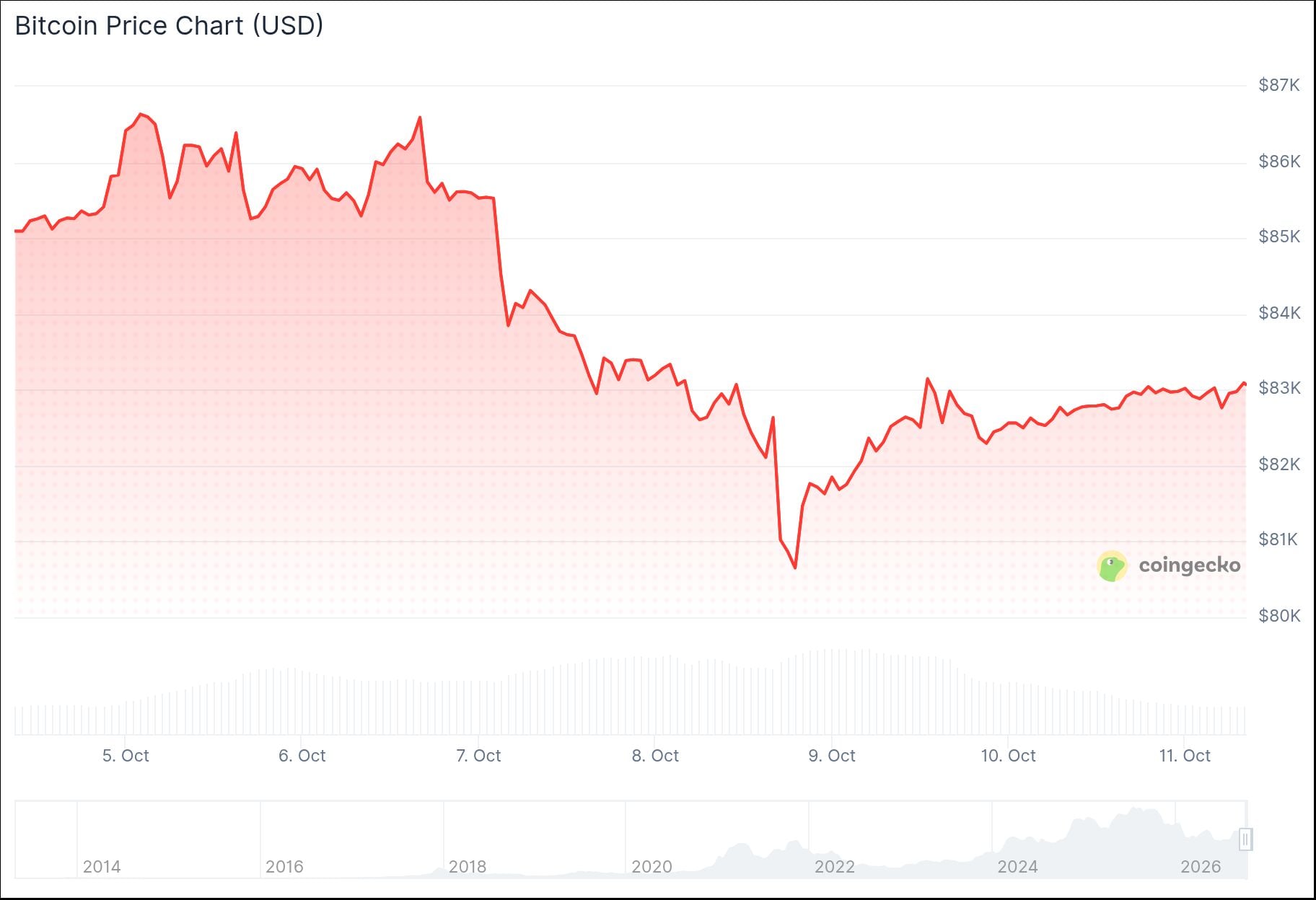
First $84.7KLatest $77.9K-8.0% over the period
Points are daily observations, not closing prices.
Why it matters
tBTC is designed to let Bitcoin holders deploy their coins on Ethereum and other networks, including as collateral for DeFi loans. The size of the Aave position makes the freeze significant: the restricted market represented close to half of tBTC's circulating supply at the time. The intervention is not a full shutdown of the market, since existing borrowers can still repay and withdraw eligible collateral, and liquidations remain active. But the combination of a redemption pause and restricted new activity puts attention on secondary-market liquidity. With redemptions closed, holders seeking native Bitcoin must rely on secondary-market buyers, and a discount to Bitcoin could make collateral liquidations harder.
What the data shows
Threshold reported 4,320 BTC held in bridge wallets against 4,185 tBTC in circulation, a surplus of about 135 BTC. Aave's Ethereum V3 Core market had roughly 1,760 tBTC supplied, worth $136.6 million and equal to about 42% of circulating supply. Gauntlet's Ethereum Morpho USDC Core vault had approximately 704,000 USDC in a tBTC-collateralized lending market before it withdrew about 65,000 USDC, leaving about 640,000 USDC supplied. The Aave restriction was executed at 10:01 UTC on Oct. 31.
Background
Threshold's bridge handles the minting and redemption of tBTC, a tokenized Bitcoin asset used across Ethereum and layer-2 networks. The project said the situation was contained and that bridge functionality would return after remediation, but it has not disclosed the cause of the pause. Aave's restriction applies only to its Ethereum Core tBTC reserve; tBTC markets on Base and Arbitrum had already been frozen during earlier asset deprecation rounds. CryptoSlate and Blockonomi reported the sequence of events, including the Aave freeze and Gauntlet's response.
What is still unclear
Threshold has not explained what security issue prompted the bridge suspension or when minting and redemptions will resume. It said it would provide another update within 24 hours of its Oct. 31 announcement, or sooner if circumstances changed. For Aave, the path back to normal operations depends on LlamaRisk's assessment of collateral positions and secondary-market liquidity. The reports do not indicate whether any redemption requests remain pending beyond those disclosed by the project.
What to watch
LlamaRisk said it will keep monitoring collateral positions and secondary-market liquidity before recommending that Aave restore normal operations. Gauntlet's emergency exclusion of the Morpho market and Threshold's next security update are also points to watch. A resumption of bridge operations, a disclosure of the security issue or a change in tBTC liquidity conditions would alter the risk picture for the affected lending markets.
Questions readers ask
Why did Aave restrict tBTC?
Aave acted after Threshold suspended tBTC minting and redemptions. LlamaRisk recommended an immediate freeze on the Ethereum V3 Core market, and the guardian multisig executed it at 10:01 UTC on Oct. 31.
Is tBTC still backed?
Threshold said tBTC remained fully backed, with about 4,320 BTC in bridge wallets against 4,185 tBTC in circulation.
Can Aave users still repay or withdraw?
Existing users can continue repaying loans and withdrawing eligible collateral, and liquidations remain active under existing risk parameters. New tBTC deposits and the use of tBTC to increase borrowing power are restricted.