BTC $73,976
 EQQQQ $655.75 Last updated 8 Nov 2026, 12:03 UTC
 ETH $2,055
 MGLOEURO $111,813
 USDT $0.9993
 BNB $680.95
 USDC $0.9996
 XRP $1.06
 SOL $83.86
 TRX $0.3171
Bitcoin · Explained
Trump still wants bitcoin for reserve, but legal authority is unresolved
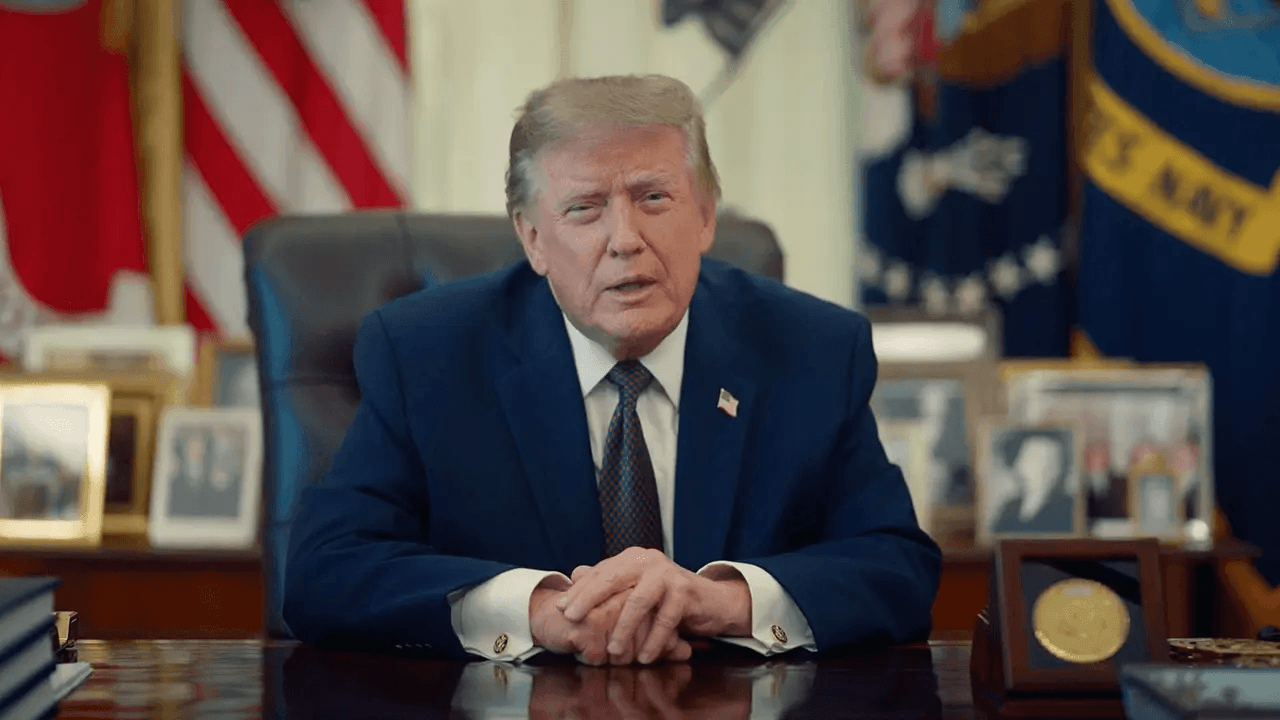
Patrick Witt says the president remains interested in buying bitcoin for the U.S. reserve, while Congress and legal questions block a purchase program.
Key takeaways
- Presidential interest. Witt said Trump remains interested in adding bitcoin to the reserve, but no purchase program has been announced.
- Legal barrier. Witt described outright open-market purchases as legally questionable without clearer congressional authority and cited an NDAA rider intended to block them.
- Political risk. A divided Congress makes permanent reserve legislation difficult, leaving the reserve dependent on an executive order a future president could change.
What happened
Former White House crypto adviser Patrick Witt said President Donald Trump remains interested in buying bitcoin for the U.S. Strategic Bitcoin Reserve, but the administration has not found a legally secure route to make purchases. Witt, who led the White House crypto council until October, spoke on the What Bitcoin Did podcast in an episode published November 9, as reported by Crypto.news and Bitcoin.com News. He said there had been extensive discussion about how the government could proceed, while noting that no acquisition program has been announced.
The reserve was established by a March 2025 executive order and was initially stocked with bitcoin the government had already seized through federal forfeiture cases. The order directed the Treasury and Commerce departments to develop acquisition strategies that would not add to federal spending. According to the reports, no budget-neutral strategy has been made public and no open-market bitcoin purchase has been disclosed.
Witt identified legal authority as the central obstacle. He said outright purchases in the open market were of questionable legality because Congress controls federal spending. Bitcoin.com News reported that Witt said lawmakers had put a rider in the National Defense Authorization Act barring such purchases, while Crypto.news reported that he raised the possibility of Congress adding language to the defense bill to prohibit federal bitcoin buying. Witt also warned that acting without clearer authority could invite a legislative backlash.
Treasury has examined several alternatives, including revaluing federal gold holdings, using the Exchange Stabilization Fund, converting government-held digital assets into bitcoin and accepting bitcoin for certain tax or fee payments. Crypto.news reported that the existing legal framework does not automatically allow Treasury to use a gold accounting adjustment to finance bitcoin purchases. Witt said Treasury Secretary Scott Bessent would ultimately decide how the department proceeds with any legally permitted strategy.
First $81.8KLatest $74K-9.5% over the period
Points are daily observations, not closing prices.
Why it matters
The reserve currently rests on an executive order rather than a statute, so a future president could amend or revoke it. That makes the policy less durable than a legislated reserve and leaves the government without a clear purchase mandate. The debate also matters because a federal buyer could affect the market, but the reports do not describe an approved buying plan. For now, the gap between Trump's stated interest and the government's legal authority is the central issue.
What the data shows
Bitcoin.com News reported that bitcoin traded near $73,600 on November 11 after falling to $72,787 on a hotter-than-expected U.S. consumer price index print, which pushed rate markets toward pricing a December Federal Reserve hike. Separately, Crypto.news reported that Trump Media & Technology Group transferred 4,259 bitcoin to Crypto.com on November 5 from wallets associated with convertible-note collateral, valued at about $343.7 million. Trump Media did not confirm a sale and reported holding about 15,649 bitcoin as of September 30 after buying 4,359 bitcoin in the third quarter. On custody, Witt described inconsistent federal records, cold wallets kept in desk drawers and reliance on outside providers; the reports also noted October transfers of hundreds of bitcoin to Coinbase Prime.
Background
Trump established the Strategic Bitcoin Reserve in March 2025. In August, he acknowledged discussions about additional purchases but did not announce a decision or timetable, according to Crypto.news. Senator Cynthia Lummis has backed legislation that would allow the government to accumulate as many as one million bitcoin over five years. Representative Nick Begich has introduced a separate House proposal that would require Treasury to study budget-neutral acquisitions without a fixed purchase target and would require eligible bitcoin deposited into the reserve to stay there for at least 20 years, subject to exceptions. Witt's comments followed the November 3 midterms, which gave Democrats control of Congress. Bitcoin.com News also noted that Elizabeth Warren was set to chair the Senate Banking Committee and that the CLARITY Act was stalled in the Senate.
What to watch
Several signposts remain. Crypto.news and Bitcoin.com News point to any Treasury guidance on budget-neutral acquisition methods, the fate of the NDAA rider in the next defense bill and whether a lame-duck Congress takes up digital asset legislation before Democrats take control in January. The administration has not set a timetable for a purchase decision, and the reserve's custody arrangements remain unresolved. Witt's remarks indicate that interest persists, but they do not establish that a purchase program is close.
Questions readers ask
Has the U.S. government bought bitcoin for the reserve?
No open-market purchase program has been announced. The reserve was initially funded with bitcoin obtained through federal forfeiture, and Treasury and Commerce were told to find budget-neutral ways to acquire more.
Why are open-market purchases legally difficult?
Witt said Congress controls federal spending, making outright purchases legally questionable without clearer authority. He also cited an NDAA rider meant to block such purchases.
Can the reserve be made permanent?
Witt said legislation would be hard with a divided Congress. Without a law, the reserve depends on an executive order that a future president could amend or revoke.