BTC $73,798
 EQQQQ $655.75 Last updated 8 Nov 2026, 12:03 UTC
 ETH $2,055
 MGLOEURO $111,813
 USDT $0.9991
 BNB $683.95
 USDC $0.9996
 XRP $1.05
 SOL $83.24
 TRX $0.3192
Markets · Explained
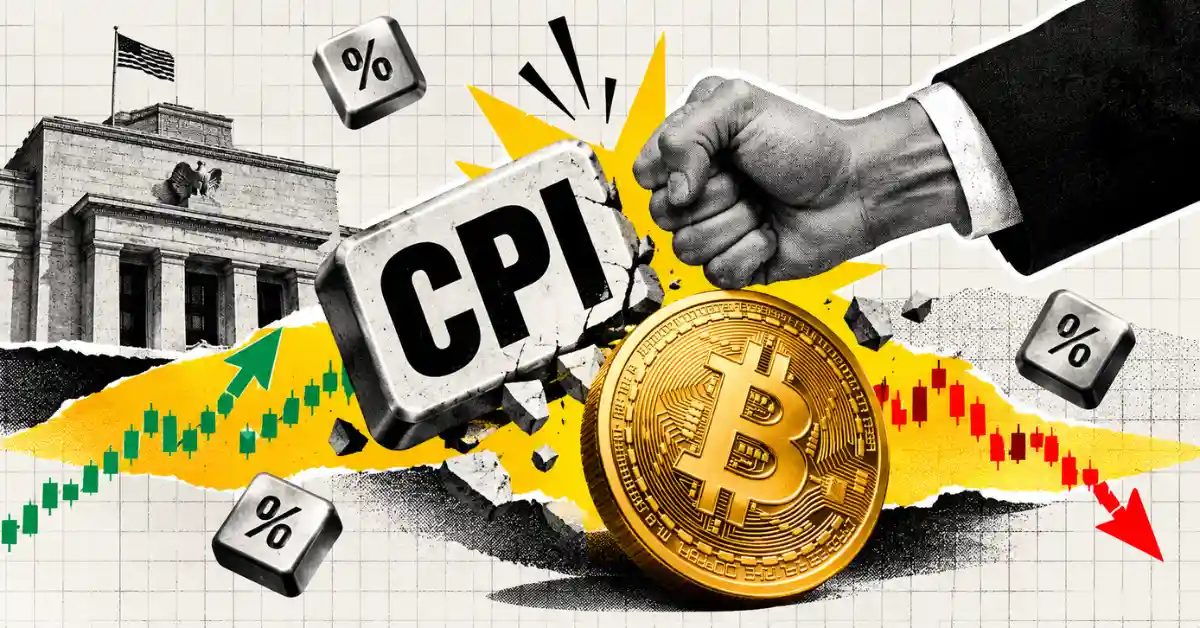
Bitcoin slides below $73,500 after October CPI beats forecasts
Stronger-than-expected inflation data strengthens the case for a December Federal Reserve rate hike.
Key takeaways
- CPI beats estimates. Headline CPI rose 0.4% month-over-month versus the 0.3% forecast, while core CPI increased 0.3% against a 0.2% expectation.
- Rate hike odds surge. The CME FedWatch Tool showed the probability of a 25-basis-point December rate hike climbing to 99% from 84%.
- Crypto volatility intensifies. Bitcoin's price pressure reflects broader market sensitivity to monetary policy shifts and inflation expectations.
What happened
The U.S. Consumer Price Index for October came in hotter than economists anticipated, delivering another inflation surprise to financial markets. The Bureau of Labor Statistics reported that headline CPI rose 0.4% month-over-month, surpassing the 0.3% forecast. Core CPI, which strips out volatile food and energy prices, climbed 0.3%, beating the expected 0.2% increase and matching September's monthly gain.
The stronger-than-expected reading immediately reverberated through cryptocurrency markets. Bitcoin, which was already struggling to maintain support above $74,000, fell sharply following the data release. The price descended to multi-month lows around $73,600, according to CryptoPotato, with some reports showing it trading below $73,500 as volatility gripped the market in the hours after the announcement.
The inflation surprise shifted focus to the Federal Reserve's December policy decision. Market pricing quickly reflected heightened expectations for monetary tightening. The CME FedWatch Tool, which aggregates futures market bets on Fed policy, showed the probability of a 25-basis-point rate hike surging from 84% to 99%, as reported by Coinpedia. Fed Governor Christopher Waller publicly signaled support for a 25-basis-point increase to bring rates to 4%, 4.25%, while warning that a 50-basis-point hike could be considered if core inflation rose above 0.3%.
First $83.7KLatest $73.9K-11.7% over the period
Points are daily observations, not closing prices.
Why it matters
The October CPI data carries significance for crypto markets because higher-than-expected inflation typically increases the likelihood of Federal Reserve rate hikes. Rising interest rates generally weigh on risk assets like cryptocurrencies, which offer no cash flows or yields and compete with safer, higher-yielding alternatives like Treasury bonds. Bitcoin's immediate price reaction underscores how sensitive digital asset prices have become to monetary policy expectations. When inflation comes in hotter than anticipated, it strengthens the case for the Fed to maintain or accelerate tightening, which historically has corresponded with periods of weakness for speculative assets. The near-certainty of a December rate hike priced into futures markets signals that markets have largely accepted further monetary tightening is coming.
Background
The October CPI release was complicated by a data gap caused by the 43-day government shutdown in 2025. The Bureau of Labor Statistics did not provide a year-over-year CPI rate for October, citing the lack of October 2025 data needed to make reliable annual comparisons. This marked an unusual departure from typical CPI releases, which normally include both monthly and annual inflation rates. The September CPI reading had already shown inflation moving higher, with the annual rate reaching 3.7% versus an estimated 3.6%, prompting an earlier decline in Bitcoin's price as speculation mounted about Fed policy responses.
Inflation has proven sticky in certain sectors despite the Fed's series of rate hikes over recent years. Economists and market observers have pointed to persistent service-sector inflation as a particular concern. According to CryptoPotato's reporting of commentary from RSM chief economist Joseph Brusuelas, the inflation evident in the data reflects "stubborn and sticky inflation, especially in the service sector," reinforcing expectations that the Fed would maintain its hawkish stance through the end of the year.
What to watch
Investors should monitor the Federal Reserve's December policy meeting for any surprises in the rate decision or forward guidance. While markets have largely priced in a 25-basis-point hike, Fed communications could shift expectations if inflation data moderates before year-end or if economic conditions change. Additionally, watching for any revisions to prior months' CPI readings could provide context on inflation trends as the year concludes. Crypto market movements will likely remain sensitive to Fed-related headlines and monetary policy developments through the December announcement.
Questions readers ask
Why did Bitcoin fall after the CPI report?
Higher inflation readings increase the probability of Federal Reserve rate hikes. Rising interest rates make risk assets like Bitcoin less attractive relative to safer alternatives, typically causing price declines in cryptocurrencies.
What was unusual about the October CPI release?
The Bureau of Labor Statistics did not provide a year-over-year inflation rate for October due to missing data from the 2025 government shutdown, preventing reliable annual comparisons with October 2025 figures.
How certain is a December Fed rate hike?
Market pricing showed the probability of a 25-basis-point rate hike in December at 99% following the CPI release, with Fed Governor Christopher Waller publicly expressing support for the increase.